As a local travel company; Best Heritage Tour who had guided many trekkers to the dusty trails of the Annapurna Circuit more times than one can count, we can tell you one thing for certain: most trekkers rush toward the Thorong La Pass - the soul of the journey. They stay in Manang village, eat their apple pie, and wait for their bodies to adjust to the thin air. But for those who want to truly "earn" their Himalayan stripes, there is a legendary side trip that separates the tourists from the explorers.
Welcome to Ice Lake, or as we locals call it, Kicho Tal.
Perched at a staggering 4,620 meters (15,157 feet), Ice Lake is more than just a body of water; it is a natural amphitheater offering a 360-degree front-row seat to the Annapurna Massif. In this comprehensive guide, we’ll take you through everything you need to know about this "hidden gem" - from the grueling vertical climb to the spiritual serenity waiting at the top.
Why Ice Lake (Kicho Tal) is a Must-Visit
While Tilicho Lake often steals the spotlight as the world’s highest lake, Ice Lake offers a different kind of magic. It is accessible as a day hike from Manang or Bhraka (Braga), making it the gold standard for acclimatization.
The logic is simple: climb high, sleep low. By pushing your body to 4,600m and returning to Manang (3,540m) to sleep, you are effectively "teaching" your lungs how to handle the 5,416m Thorong La Pass that awaits you in the coming days. But beyond the science of altitude, the visual reward is unparalleled. You aren't just looking at the mountains; you are standing eye-to-eye with them.
Quick Facts: Ice Lake Trek at a Glance
|
Feature |
Details |
|---|---|
|
Altitude |
4,620 Meters / 15,157 Feet |
|
Starting Point |
Manang (3,540m) or Bhraka (3,475m) |
|
Difficulty |
Moderate to Strenuous (Steep Ascent) |
|
Total Duration |
7-9 Hours (Round Trip) |
|
Total Distance |
Approx. 16-18 km |
|
Best Season |
March-May (Spring) & Sept-Nov (Autumn) |
|
Permits Required |
ACAP & TIMS (Part of your Circuit permits) |
The Journey: Step-by-Step from Manang/Bhraka
The hike to Ice Lake typically begins from one of two places: the bustling hub of Manang or the ancient, rustic village of Bhraka.
1. The Starting Line: Ancient Bhraka
If you want the most authentic experience, I recommend starting from Bhraka. Before you even head upward, take a moment to look at the Bhraka Monastery (Braga Gompa). It’s over 600 years old, perched on a cliffside like a silent guardian. The trail to Ice Lake starts just behind this village.
2. The Steep Ascent: The Vertical Challenge
Don’t let the "lake" part fool you - this is a climb. You will be ascending roughly 1,100 meters in a single morning. The trail is a series of relentless switchbacks through alpine pastures where you’ll likely encounter herds of yaks grazing peacefully, seemingly indifferent to the thin air that has you huffing and puffing.
3. The Teahouse Break (4,200m)
About halfway up, there is a small, seasonal teahouse. It’s the perfect spot to grab a cup of black tea and catch your breath. On a clear day, look behind you. The Marshyangdi Valley opens up like a map, and the peaks of Annapurna II, Annapurna III, and IV begin to reveal their full scale.
4. Reaching the Lakes (Lower and Upper)
Many trekkers don't realize there are actually two lakes. The first one you encounter is the Lower Ice Lake. It’s smaller but often offers the best reflections of the Chulu East and Far East peaks. Continue for another 15-20 minutes, and you will reach the main Upper Ice Lake (Kicho Tal).
What You’ll See from the Ice Lake, Manang: The View from 4,620 Meters
Standing at the edge of the lake, the silence is profound. If you visit in early spring, the lake may still be partially frozen (hence the name), with shards of turquoise ice floating like diamonds.
The Mountain Panorama:
-
Annapurna III (7,555m): So close you feel like you could touch it.
-
Gangapurna (7,455m): Dominating the skyline with its massive glacier.
-
Tilicho Peak (7,134m): Peeking out from the west.
-
The Chulu Range: Framing the northern side of the lake.
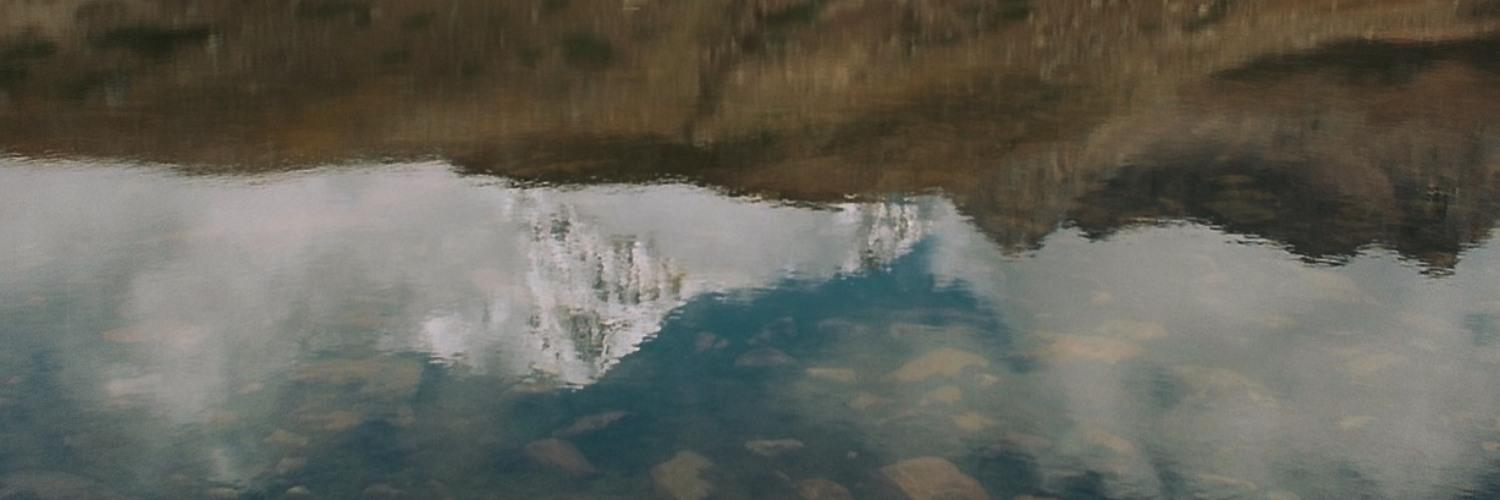
For photographers, this is the "Money Shot." The reflection of Annapurna III in the crystal-clear waters of Kicho Tal is an image that will stay with you long after you’ve returned home.
Insider Tips from a Local Guide
Having guided hundreds of trekkers up this ridge, here are my "pro tips" to ensure you don't just reach the lake, but actually enjoy it:
-
Start Early (Very Early): Aim to leave by 6:00 AM or 7:00 AM at the latest. The winds at Ice Lake pick up significantly after midday, and clouds often roll in by 1:00 PM, obscuring those million-dollar views.
-
Pack a Lunch: There are no "Starbucks" at 4,600 meters. Most lodges in Manang will pack a "trekker’s lunch" for you (usually boiled eggs, potatoes, and Tibetan bread). Trust me, eating lunch while staring at the Annapurnas is better than any 5-star restaurant.
-
Hydrate Like a Pro: Altitude sickness (AMS) is real. Drink at least 3-4 liters of water throughout the day. If you start feeling a throbbing headache or nausea, don't push it - the lake will be there next year; your health is more important.
-
Trekking Poles are Non-Negotiable: The ascent is hard on the lungs, but the descent is hard on the knees. The trail is dusty and can be slippery. Poles will save your joints.
Cultural Significance: More Than Just Water
For the people of Manang, Kicho Tal is a sacred site. You will see Buddhist prayer flags (Lungta) fluttering in the wind near the water's edge. These flags carry prayers for peace and compassion to the four corners of the world. When you visit, please respect the local culture: do not swim in the lake, and ensure you leave no trace of litter behind.
Best Time to Visit
-
Autumn (October - November): This is the "Golden Season." The monsoon has washed away the dust, leaving the air incredibly crisp and the skies a deep, royal blue.
-
Spring (March - May): A beautiful time when the lower trails are lined with wildflowers, though the lake itself might still be under a layer of ice until late April.
-
Winter (December - February): Only for the brave. The trail is often buried in deep snow, and the temperatures at the lake can drop well below -15°C.
Preparing for the Hike: Fitness and Gear
You don't need to be an elite athlete, but you do need stamina. If you can walk for 7 hours on an incline at home, you can do this.
Essential Gear List:
-
Layers: A moisture-wicking base, a warm fleece, and a windproof/waterproof outer shell.
-
Sun Protection: At 4,600m, the sun is fierce. Bring high-SPF sunscreen, polarized sunglasses, and a wide-brimmed hat.
-
Sturdy Boots: Ensure they are broken in!
-
Headlamp: Just in case your descent takes longer than expected.
Conclusion: Is Ice Lake Worth the Effort?
In one word: Absolutely. The hike to Ice Lake is the ultimate test of your preparation for the Annapurna Circuit. It is a day of physical challenge, spiritual reflection, and natural beauty that puts the vastness of the Himalayas into perspective. When you finally stand at the shore of Kicho Tal, looking at the giants of the earth reflected in the still water, you’ll realize that the best views truly do come after the hardest climbs.
Ready to Explore the Heart of the Himalayas?
At Best Heritage Tour, we don't just show you the mountains; we share the stories, the culture, and the "hidden" paths that only locals know. Whether you are looking for a guided Annapurna Circuit trek or a customized heritage experience in the Manang Valley, we are here to make your Himalayan dream a reality.
Phone / WhatsApp / Viber: +977-9851149197 / +977-9810043046
Email: info@bestheritagetour.com / bestheritagetour@gmail.com
Website: www.bestheritagetour.com
Office Address: Thamel Marg, Kathmandu, Nepal
Author: Best Heritage Tour
Date: 22nd February, 2026