You are planning to go for the Everest Base Camp (EBC) trek in 2026, and you choose the autumn season first month i.e. September. You’ve probably seen the breathtaking photos of the Khumbu region - crisp blue skies, jagged peaks, and colorful prayer flags. But then, you remember the: Monsoon.
As a team that lives and breathes these trails at Best Heritage Tour, one of the most common questions we get from trekkers in our inbox this time of year is: "Is the trail to EBC actually muddy in September?"
The short answer? Yes, but there is a major "but." September is a month of dramatic transformation. It is the bridge between the rain-soaked summer and the crystal-clear autumn. Understanding when in September you go makes all the difference between a soggy slog and a lush, emerald paradise.
Let’s dive into the grit (and the mud) of trekking to the roof of the world in September.
The "September Split": Early vs. Late September
To give you an honest picture, we have to talk about how September behaves. In the Himalayas, the weather doesn't just flip a switch on September 1st.
Early September: The Monsoon’s Lingering Kiss
In the first two weeks of the month, the monsoon is often still packing its bags. You can expect:
-
The Mud Factor: High. The lower sections of the trail - specifically from Lukla to Namche Bazaar - pass through lush forests and river valleys. These paths can be damp, slick, and, yes, muddy.
-
Visibility: Hit or miss. Clouds often dance around the peaks, playing a game of hide-and-seek with Everest and Ama Dablam.
-
The Perk: The greenery is unreal. Because of the recent rains, the Dudh Koshi river is roaring, waterfalls are at their most powerful, and the dust is non-existent.
Late September: The Golden Gateway
By the third or fourth week, the "Post-Monsoon" season officially kicks in.
-
The Mud Factor: Low to Moderate. The sun starts beating down more consistently, drying out the trails. While some shaded forest patches might stay damp, the high-altitude rocky paths (above 4,000m) become firm and dry.
-
Visibility: Exceptional. The air has been "washed" clean by the rains, offering some of the sharpest, most high-definition views of the entire year.
-
The Perk: You beat the massive "October Rush." You get the peak-season views without the peak-season "traffic jams" on the suspension bridges.
Where Exactly Does it Get Muddy?
The EBC trail isn't one long uniform path; it changes drastically with elevation. Here is the "Mud Map" for your September journey:
|
Region |
Elevation |
Trail Condition in September |
|---|---|---|
|
Lukla to Phakding |
2,800m - 2,600m |
Often damp/muddy. Lots of mule and yak traffic can churn up the wet soil. |
|
Namche to Tengboche |
3,440m - 3,860m |
Forested paths. Expect some slippery roots and "slushy" sections if it rained the night before. |
|
Dingboche to Lobuche |
4,410m - 4,940m |
Above the tree line. The terrain is mostly rock and glacial moraine. Mud is rare here; it's more about loose scree. |
|
Gorak Shep to EBC |
5,160m - 5,364m |
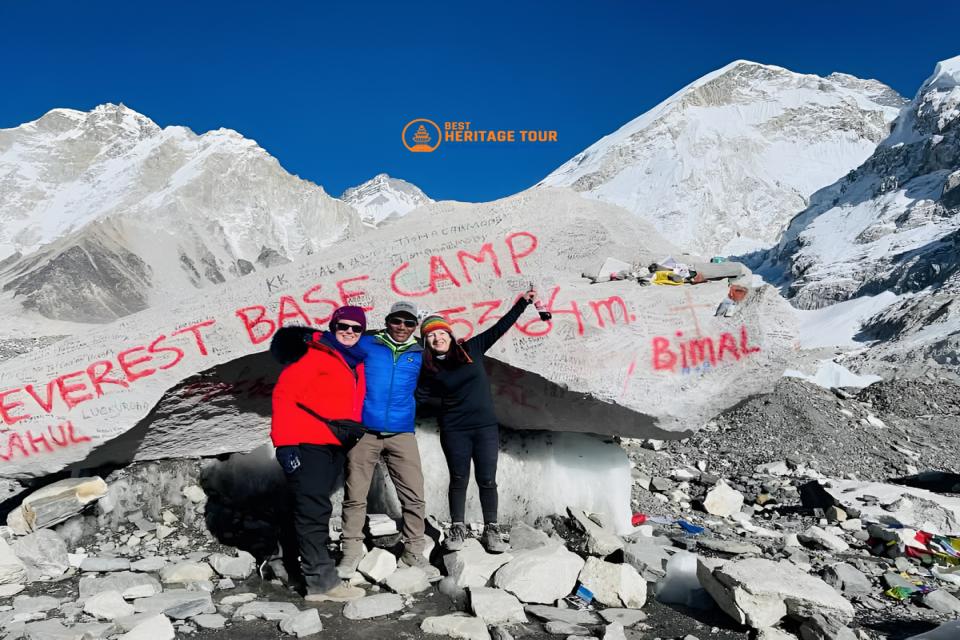
High alpine desert. Very little mud, but you might encounter light dust or even early-season snow dustings. |
Why September is Actually a "Secret Season" for Savvy Trekkers
Despite the threat of a little mud on your boots, many seasoned guides at Best Heritage Tour actually prefer September. Why?
1. The Landscapes are "Technicolor"
Most people see the Everest region when it's dry and brown in November or March. In September, the Khumbu is vibrant green. The alpine meadows are carpeted in wildflowers, and the air smells like fresh pine and rain-washed earth.
2. The Crowd Control
October is the busiest month in the Himalayas. In September, you can actually find a quiet spot at the edge of a ridge and hear nothing but the wind and the distant chime of yak bells. You won't have to fight for a seat near the heater in the teahouses.
3. Better Interaction with Locals
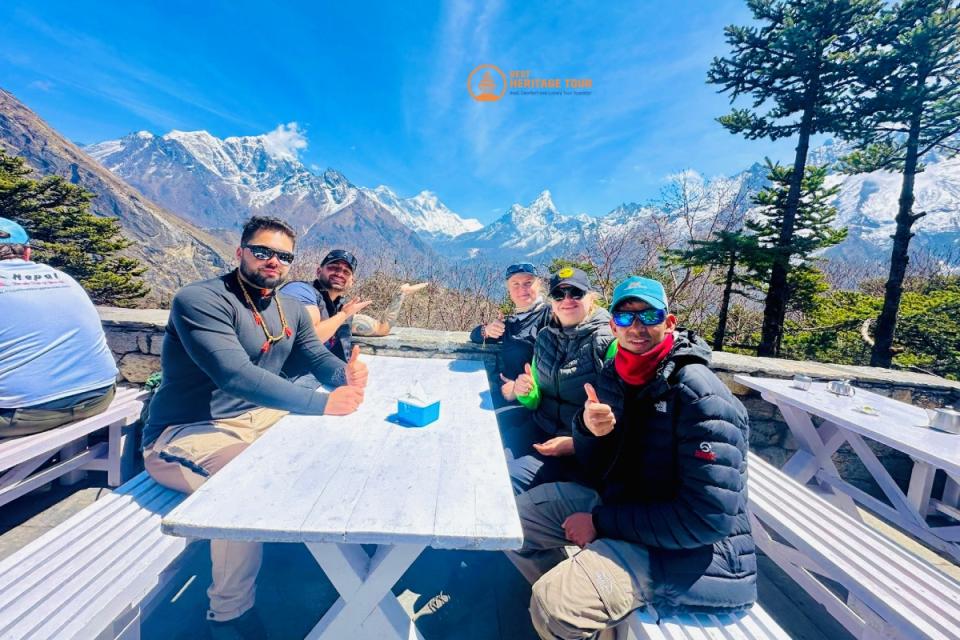
Because the teahouses aren't at 100% capacity yet, the Sherpa hosts have more time to chat. You’ll get better service, hotter food, and more authentic stories over your evening ginger lemon honey tea.
Pro-Tips: How to Handle the Mud in EBC Trail Like a Pro
If you decide to join us in September, a little preparation goes a long way. You don't need to fear the mud; you just need to respect it.
-
Invest in "Vibram" Soles: Ensure your trekking boots have deep lugs and high-quality rubber (like Vibram). This is the difference between staying upright and a "mud-slide" on the trail to Phakding.
-
Gaiters are Your Best Friend: These waterproof sleeves cover the gap between your boots and trousers. They keep mud and splashes from getting into your socks.
-
Walking Poles are Non-Negotiable: On a muddy descent, a pair of trekking poles acts like four-wheel drive for your body. They provide the stability you need on slick surfaces.
-
The "Morning Push": In September, rain usually follows a pattern - clear mornings and afternoon showers. We always start our treks at sunrise to reach the next teahouse before the clouds roll in.
Essential September Packing List
To keep your EBC experience "Human-Engaging" and not "Human-Drenching," make sure your kit includes:
-
Gore-Tex Boots: Waterproofing is key.
-
Lightweight Poncho: Easier to throw on over a backpack than a heavy jacket during a quick shower.
-
Dry Bags: Line your backpack with these to ensure your sleeping bag and dry clothes stay bone-dry, no matter what.
-
Extra Socks: Because putting on damp socks in the morning is the ultimate trekking "sin."
The Verdict: Should You Go to EBC Trek in September?
Is the trail to EBC muddy in September? In parts, yes. But is it a deal breaker? Absolutely not.
If you are a traveler who values solitude, lush scenery, and doesn't mind a bit of "character-building" mud on your gear, September is one of the most rewarding times to visit the Everest region. By the time you reach the base of the world's highest peak, the trails will have dried, the skies will have opened, and you'll have a story that most "fair-weather" trekkers never get to tell.
Conclusion
At Best Heritage Tour, we don't just book trips; we curate experiences. We know every rock, every teahouse, and every muddy patch on the road to Everest. Our local guides are experts at navigating the shifting weather of September to ensure you get the best views with the highest safety standards.
Ready to see Everest in its most vibrant season?
Let’s get your boots on the ground (mud and all!). Reach out to us for a personalized itinerary, current trail updates, or to book your 2026/2027 Himalayan adventure.
Contact Best Heritage Tour:
WhatsApp/Phone: +977-9851149197 / +977-9810043046
Email: info@bestheritagetour.com / bestheritagetour@gmail.com
Website: www.bestheritagetour.com
Office Location: Thamel Marg, Kathmandu, Nepal
Author: Best Heritage Tour
Date: 18th February, 2026