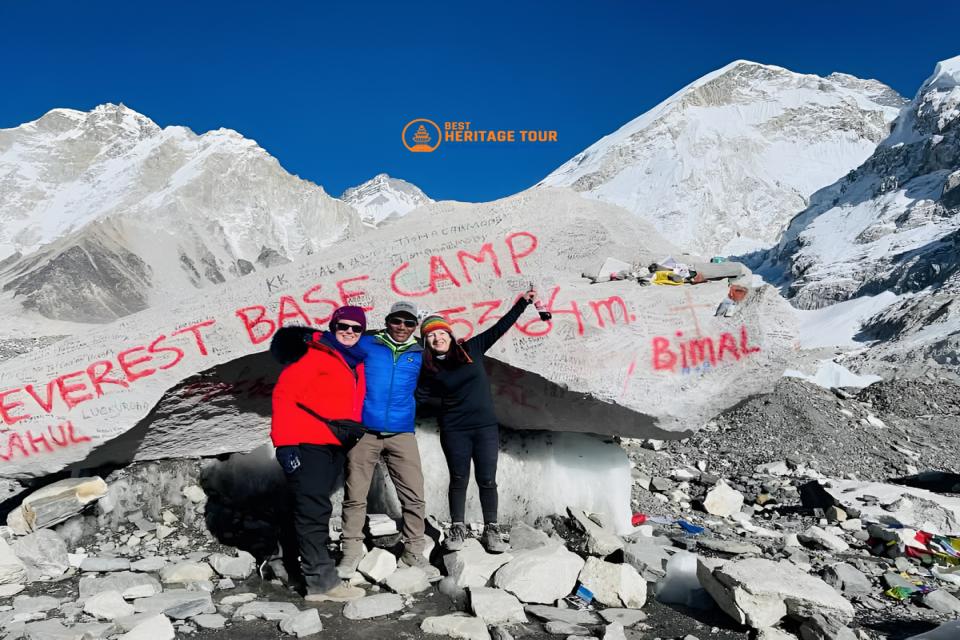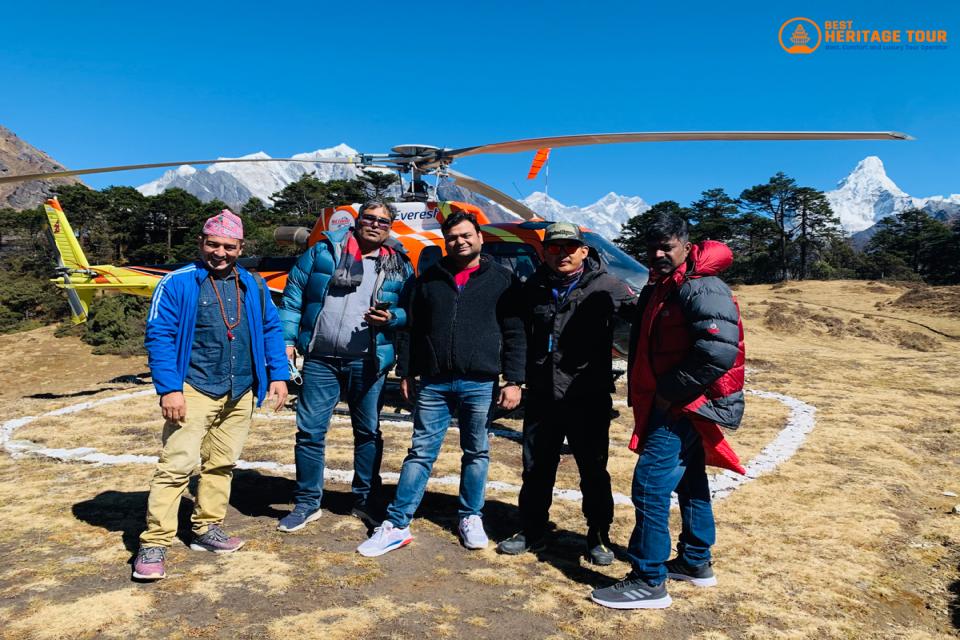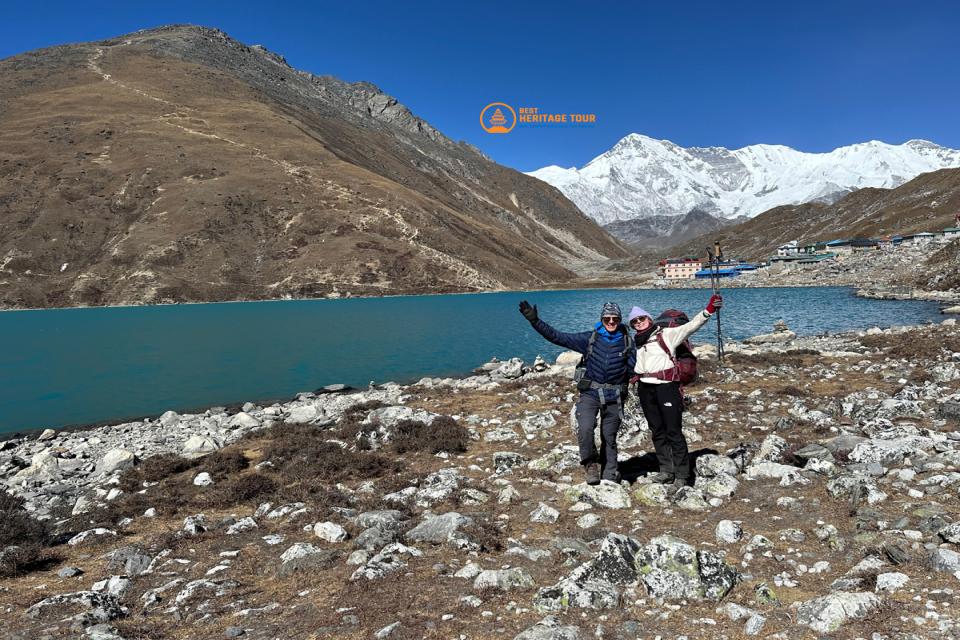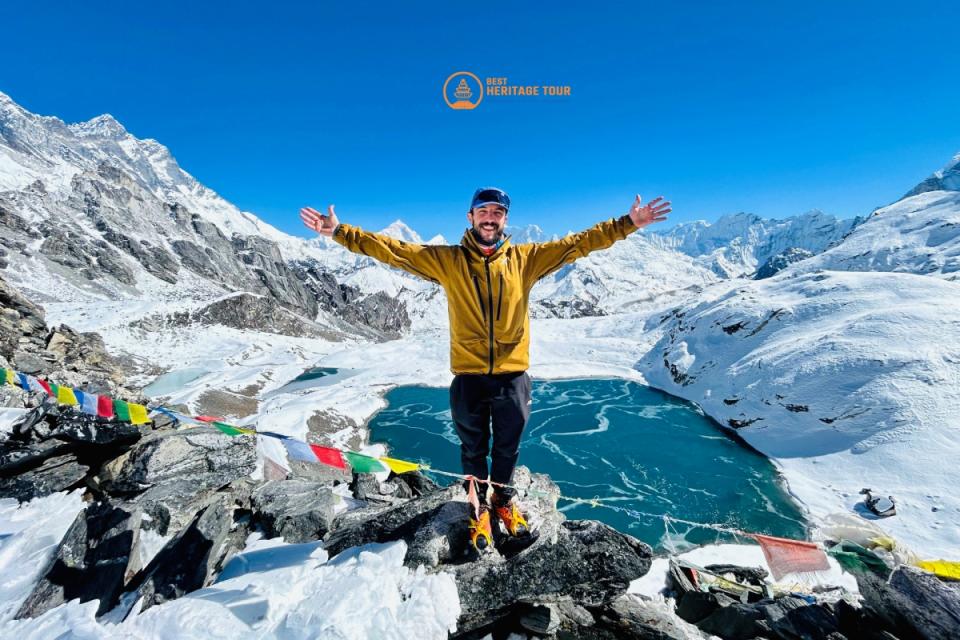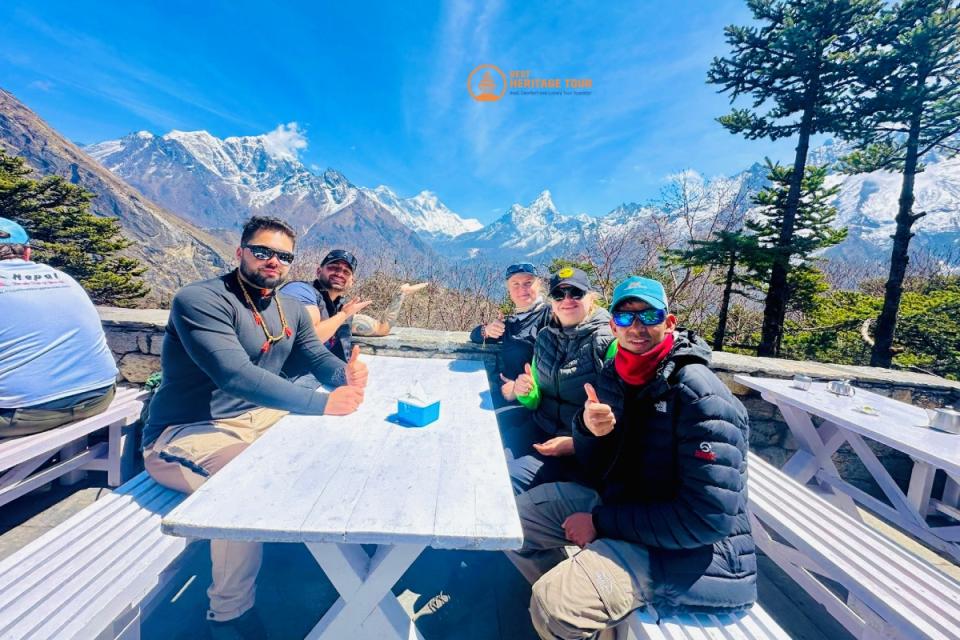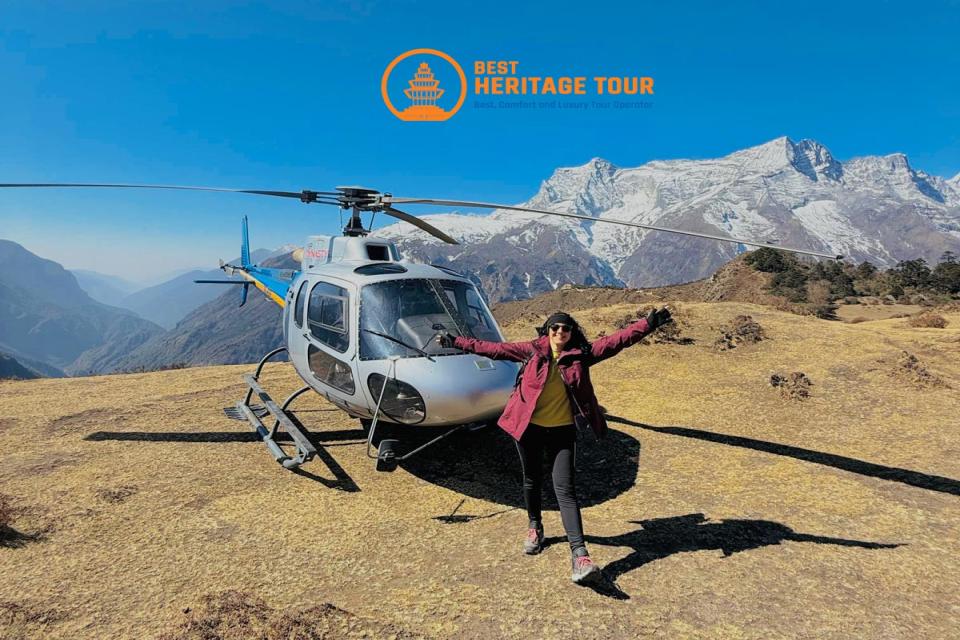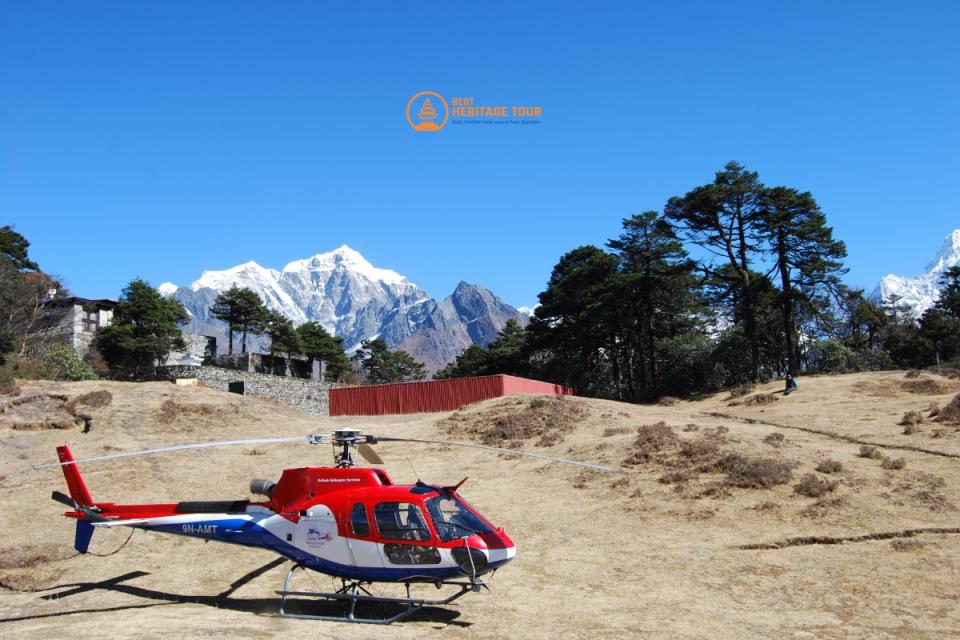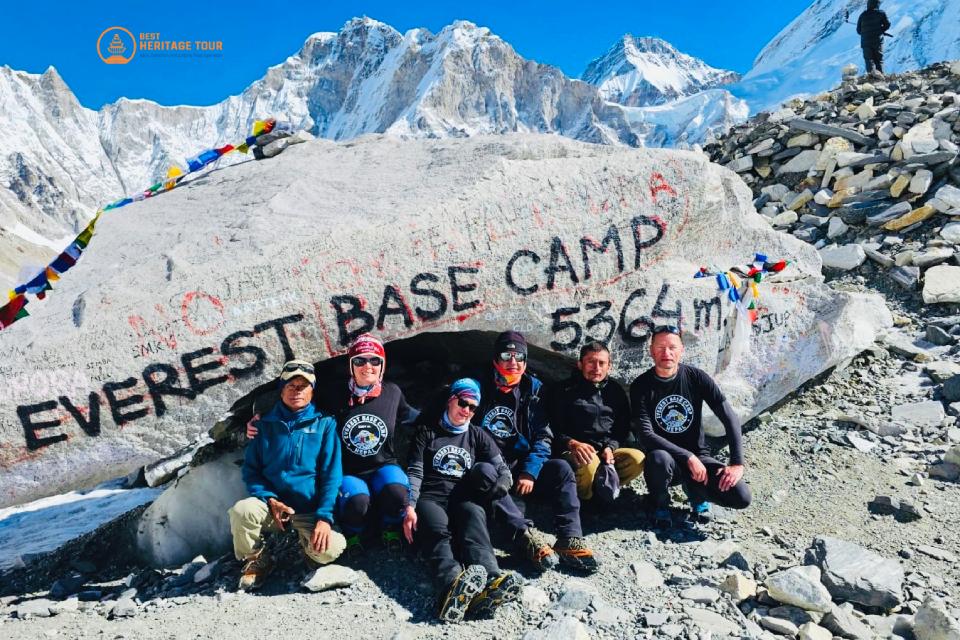
For a photographer, the Everest Base Camp (EBC) Photography Trek isn’t just a hike; it’s a pilgrimage. It is a journey through shifting light, ancient cultures, and landscapes so grand they defy the limits of a wide-angle lens.
At Best Heritage Tour, we understand that a photographer’s needs are different. You don’t just want to "reach" the base camp; you want to wait for the alpenglow on Ama Dablam, capture the steam rising from a Sherpa’s tea cup, and document the Milky Way arching over the Khumbu Glacier.
In this definitive guide, we’ll dive into the technical, cultural, and logistical secrets of the Everest Photography Tour to help you bring home the shots of a lifetime.
Why the EBC Photography Trek is a Visual Masterpiece
The Everest region (Sagarmatha National Park) offers a dramatic verticality that few places on Earth can match. From the lush rhododendron forests of Phakding to the lunar landscapes of Gorak Shep, the visual diversity is staggering.
-
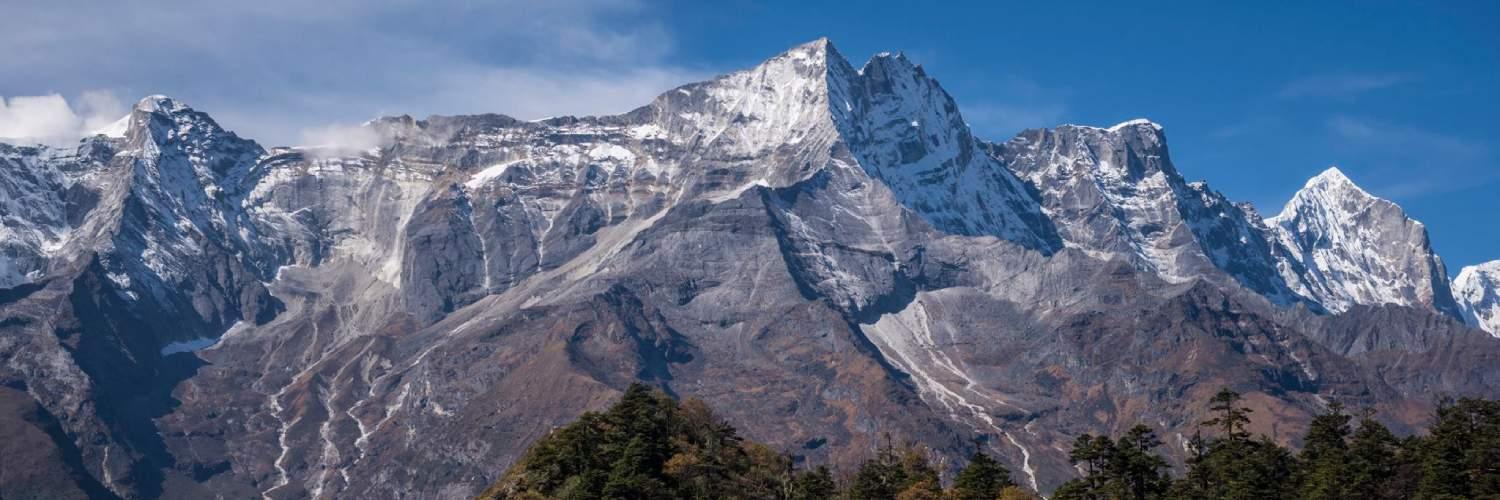
Peak Grandeur: You aren't just shooting Everest. You’re framing Lhotse, Nuptse, Makalu, and the "Matterhorn of the Himalayas" - Ama Dablam.
-
Cultural Depth: The high-altitude monasteries, mani walls (prayer stones), and the resilient Sherpa people provide a human element that adds soul to your landscape portfolio.
-
The Light: High-altitude air is thinner and cleaner, leading to a "transparency" in your photos that makes colors pop and distant peaks appear needle-sharp.
Best Time for Everest Photography: Seasons of Light
Timing is everything. Depending on when you visit, your "Everest Photography" gallery will look vastly different.
Spring (March to May): The Season of Color
-
Pros: This is the climbing season. Everest Base Camp is a vibrant city of yellow tents. Lower trails are ablaze with red and pink rhododendrons.
-
Light: Generally stable mornings with some afternoon cloud buildup, creating moody, atmospheric shots.
Autumn (September to November): The Sharpest Focus
-
Pros: This is widely considered the best time for an EBC Photography Trek. After the monsoon, the dust is washed away, leaving the atmosphere incredibly crisp.
-
Light: Deep blue skies and the most reliable "Golden Hour" conditions.
Top Photography Spots on the EBC Trail
To get the most out of your Everest Photography Tour, you need to know where to set up your tripod. Here are the unmissable locations:
Lukla Airstrip: The Dramatic Entrance
Your journey begins at the world’s most dangerous airport. Position yourself at the end of the runway to capture the Twin Otter planes landing against a backdrop of sheer cliffs.
-
Tip: Use a fast shutter speed (1/1000s or higher) to freeze the propeller motion.
Namche Bazaar: The Amphitheater of the Clouds
The "Sherpa Capital" is shaped like a horseshoe. For the best shot, hike up to the Everest View Hotel at sunrise.
-
The Shot: The classic "three-peak panorama" featuring Everest, Lhotse, and Ama Dablam.
Tengboche Monastery: Spiritual Symmetry
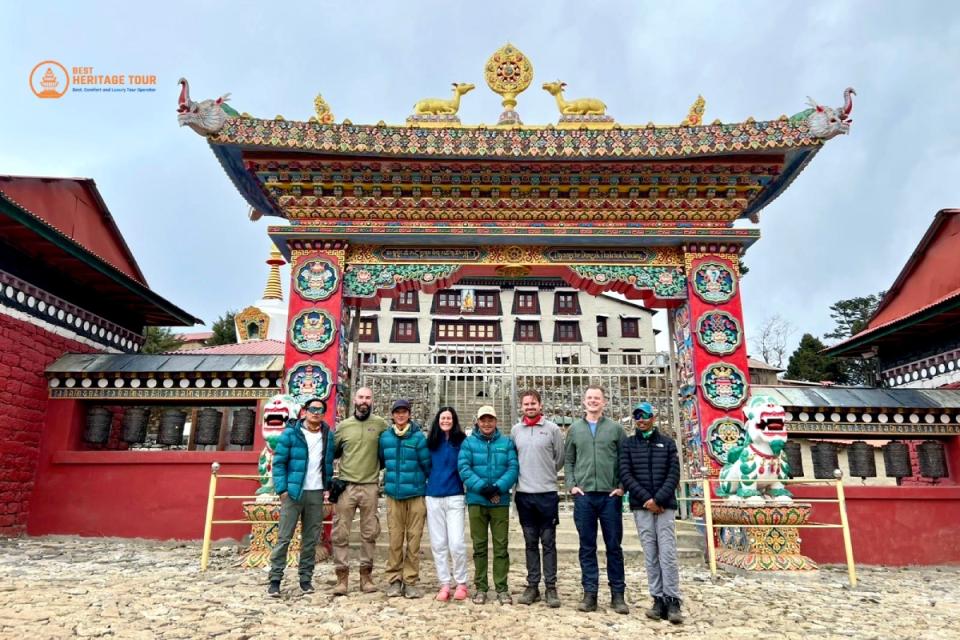
One of the most sacred places in the Khumbu. The intricate Tibetan architecture of the monastery, framed by the jagged peak of Ama Dablam, is a must-capture.
-
Cultural Note: Always ask for permission before photographing monks or the interior of the monastery.
Kalapatthar: The Holy Grail of Everest Views
While EBC itself is iconic, you can’t actually see the summit of Everest from the base camp. Kalapatthar Sunrise Photography is the solution. At 5,545 meters, this is the highest point of the trek.
-
The Shot: As the sun rises, it hits the summit of Everest first, turning it a fiery orange while the rest of the world is still in blue shadow.
Essential Gear for Himalayan Photography
Weight is your enemy at high altitudes, but quality cannot be compromised.
The Camera & Lens Kit
-
Mirrorless over DSLR: Mirrorless systems are lighter and better for your back over a 12-day trek.
-
The "One Lens" Solution: A 24-105mm f/4 is the workhorse of the Himalayas. It covers wide landscapes and tight mountain portraits.
-
The Ultra-Wide: A 16-35mm is essential for the vastness of the Khumbu Glacier.
-
The Telephoto: Don't leave your 70-200mm behind. You’ll need it to "compress" the distance between the peaks and bring the textures of the icefalls to life.
The "Must-Have" Accessories
-
Circular Polarizer: Essential for cutting glare on snow and making the Himalayan sky a deep, cinematic blue.
-
Spare Batteries: Cold kills batteries. Keep them in your sleeping bag at night and close to your body heat during the day.
-
Lightweight Carbon Fiber Tripod: Essential for long exposures of the stars and stable sunrise shots.
-
Power Bank/Solar Charger: Many teahouses charge a fee for electricity. Being self-sufficient is a pro move.
Technical Tips for High-Altitude Shooting
Photography at 5,000 meters presents unique challenges.
Managing High Contrast
The dynamic range in the Himalayas is brutal - blindingly white snow vs. deep rock shadows.
-
Solution: Always shoot in RAW. This allows you to recover details in the highlights and shadows during post-processing.
-
Exposure: Use your histogram. Don’t trust the LCD screen; the bright mountain light will make your images look darker than they actually are.
Master the "Blue Hour"
Most trekkers go to bed when the sun goes down. As a photographer, this is your time. The 20 minutes after sunset (the Blue Hour) is when the peaks glow with a ghostly, ethereal light.
Protecting Your Gear
Dust and moisture are the silent killers of camera sensors. Use a Peak Design Capture Clip for easy access, but keep a dry bag or a "rain sleeve" handy for the sudden afternoon mists.
Cultural Etiquette for Photographers
At Best Heritage Tour, we believe in "Responsible Photography." The Khumbu is a living, breathing community.
-
Ask Permission: A simple "Namaste" and a gesture toward your camera goes a long way.
-
The Gift of a Print: If you have a portable Instax printer, giving a physical photo to a local child or an elderly Sherpa is the fastest way to build a genuine connection.
-
Circumambulate: When photographing Stupas or Mani walls, always walk around them in a clockwise direction.
Conclusion
The Everest Base Camp Photography Trek is more than a collection of megapixels. It’s the feeling of your breath hitching as Everest reveals itself for the first time. It’s the sound of yak bells echoing in a silent valley. It’s the achievement of pushing your body and your craft to the literal roof of the world.
When you trek with Best Heritage Tour, you aren't just following a map; you’re following the light. Our guides are trained to help you find the best angles, wait for the perfect moment, and ensure your gear (and you!) stay safe in the thin air.
Ready to Capture the Legend?
Don’t just dream about the Himalayas - frame them. Join us for a journey that will redefine your portfolio.
Contact Best Heritage Tour Today to book your customized Everest Photography Tour and start planning your ultimate Himalayan adventure.
Phone / WhatsApp / Viber: +977-9851149197 / +977-9810043046
Email: info@bestheritagetour.com / bestheritagetour@gmail.com
Website: www.bestheritagetour.com
Office: Thamel Marg, Kathmandu, Nepal
Author: Best Heritage Tour
Date: 19th February, 2026