
Welcome to the ultimate sanctuary for birds enthusiasts. If you are reading this, you likely understand that bird watching in Nepal is not just a hobby - it is a soul-stirring immersion into one of the most biodiverse landscapes on Earth.
At Best Heritage Tour, we have spent decades traversing the terraced hills, the humid Terai plains, and the misty cloud forests of the Himalayas. We don’t just lead "tours"; we curate experiences that connect you with the 890+ species of birds that call Nepal home. From the iridescent shimmer of the Himalayan Monal to the elusive shadows of the Spiny Babbler (Nepal’s only endemic bird), the diversity here is staggering.
Whether you are a professional wildlife photographer chasing the perfect "bokeh" shot of a sunbird or a family looking to introduce your children to the wonders of nature, this guide is your roadmap to the best birding hotspots in Nepal.
Why Nepal is a Global Birding Destination?
Nepal occupies a unique geographical position. Within a span of just 150 kilometers, the altitude rises from nearly sea level in the south to the highest peaks on the planet. This dramatic verticality creates a "staircase of ecosystems," each hosting a distinct community of birds.
-
Avian Diversity: Over 9% of the world's bird species are found in this tiny Himalayan nation.
-
Migratory Flyways: Nepal sits on a major migratory route. During winter, thousands of birds from Siberia and Tibet cross the Himalayas to winter in Nepal’s warmer wetlands.
-
Accessible Wilderness: Unlike many other global birding sites, Nepal’s premier national parks are surprisingly accessible, offering luxury lodges and expert local naturalists.
1. Phulchowki Hill: The Crown Jewel of the Kathmandu Valley
If you have limited time but a high appetite for birding, Phulchowki Hill is our first recommendation. Standing at 2,762 meters, it is the highest peak surrounding the Kathmandu Valley and acts as a magnet for forest-dwelling species.
What to Expect at Phulchowki
The drive from the city center takes you through the lush Godavari Botanical Gardens at the base, ascending through sub-tropical and temperate oak and rhododendron forests.
-
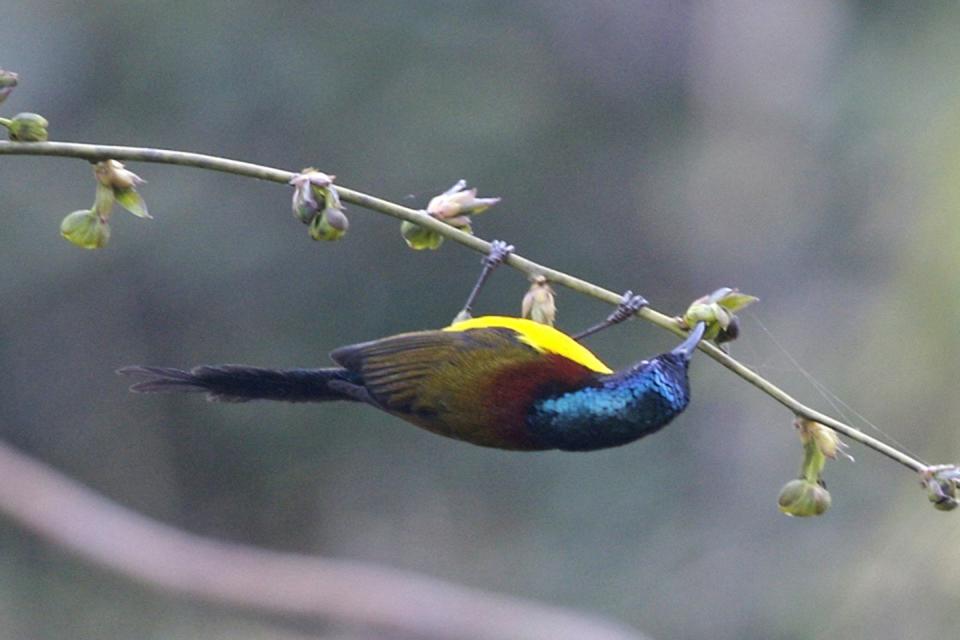
Target Species: The Spiny Babbler is the star here. You can also spot the Nepal Cutia, Fire-tailed Sunbird, Rufous-bellied Niltava, and the Mountain Hawk-Eagle.
-
For Photographers: The morning light filtering through the moss-covered trees creates an ethereal backdrop for mid-hill species.
-
Expert Tip: Visit between February and April. This is when the rhododendrons are in full bloom, attracting nectar-feeding sunbirds and laughingthrushes in great numbers.
2. Koshi Tappu Wildlife Reserve: The Wetland Wonderland
Located in the eastern plains of Nepal, Koshi Tappu is widely regarded as the bird-watching capital of the country. This Ramsar site consists of mudflats, reed beds, and the massive Sapta Koshi River.
A Haven for Migratory Birds
Koshi Tappu is famous for its incredible concentration of waterfowl and waders. During the winter months (November to February), the sky is often filled with the calls of thousands of migratory visitors.
-
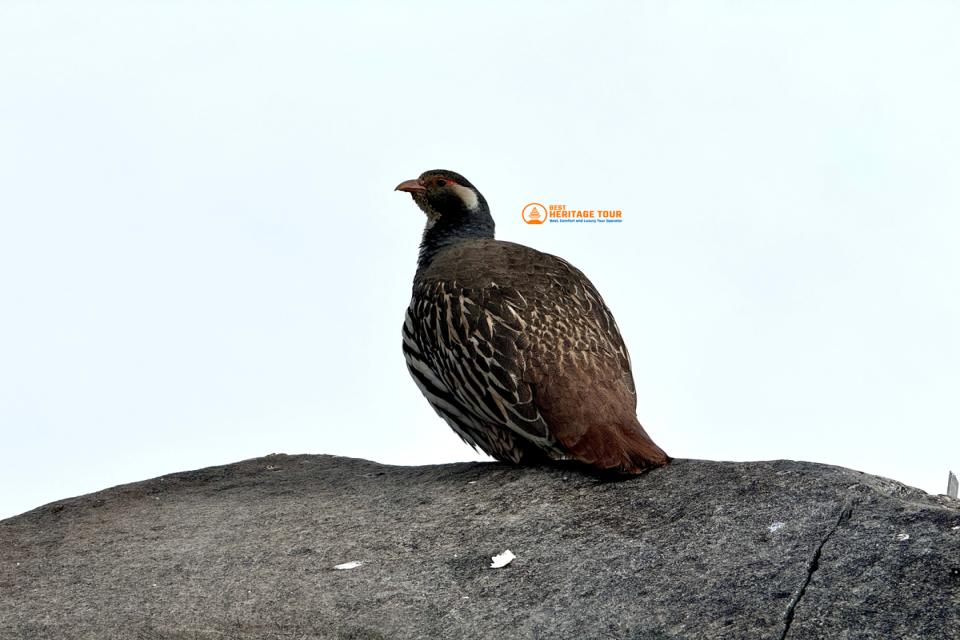
Key Sightings: The Swamp Francolin, Bengal Florican (critically endangered), Black-necked Stork, and Red-necked Falcon. It is also the only place in Nepal where you can see the Wild Water Buffalo (Arna).
-
Best Experience: A morning boat ride on the Koshi River. Drifting silently allows you to get within feet of storks, ibises, and even the rare Gangetic Dolphin.
-
Why Families Love It: The terrain is flat and easy to walk. Tented camps here offer a "safari-chic" experience that kids find adventurous yet comfortable.
3. Chitwan National Park: Birding in the Heart of the Jungle
While Chitwan is world-famous for its One-Horned Rhinos and Bengal Tigers, it is also an Important Bird Area (IBA) with over 550 recorded species.
Exploring the Diverse Habitats
Chitwan’s beauty lies in its mix of elephant grass, riverine forests, and hardwood Sal trees. This variety means you can see everything from raptors to tiny flycatchers in a single day.
-
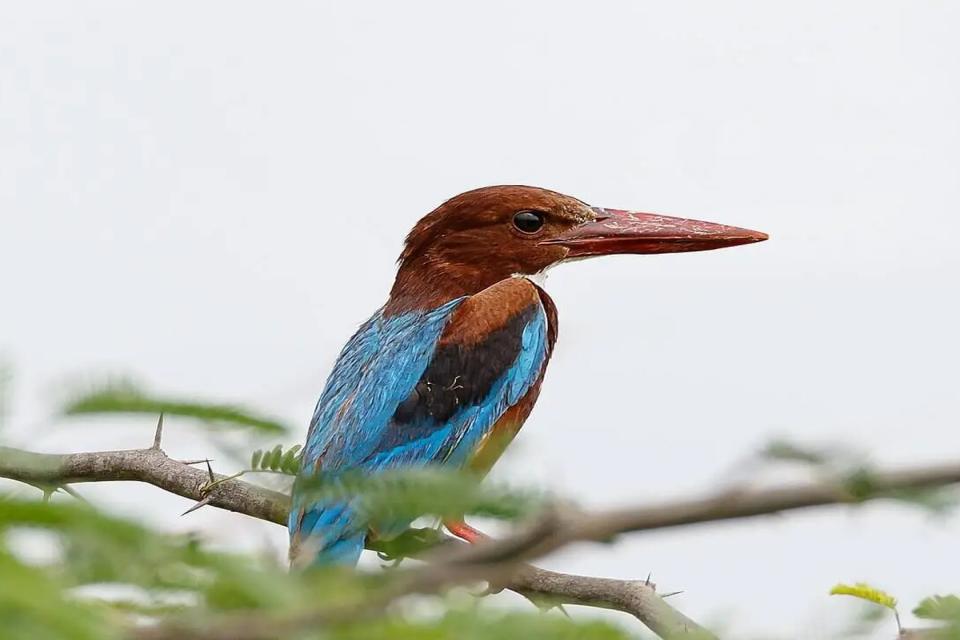
Top Species: Great Hornbill, Lesser Florican, Grey-headed Fish Eagle, and the vibrant Indian Roller.
-
Photography Tip: Take a canoe trip on the Rapti River at sunset. The golden hour light reflecting off the water provides stunning opportunities to photograph kingfishers and herons.
-
The Experience: We recommend a mix of jeep safaris and guided jungle walks. Walking silently with a professional naturalist is the best way to hear the "language of the forest."
4. Shivapuri Nagarjun National Park: The Gateway to the Clouds
Just a 30-minute drive from the bustle of Kathmandu lies Shivapuri Nagarjun National Park. It serves as the primary watershed for the valley and a tranquil escape for nature lovers.
A Vertical Adventure
The park ranges from 1,350m to 2,732m. As you hike up toward the Shivapuri peak, the birdlife changes with every few hundred meters of elevation.
-
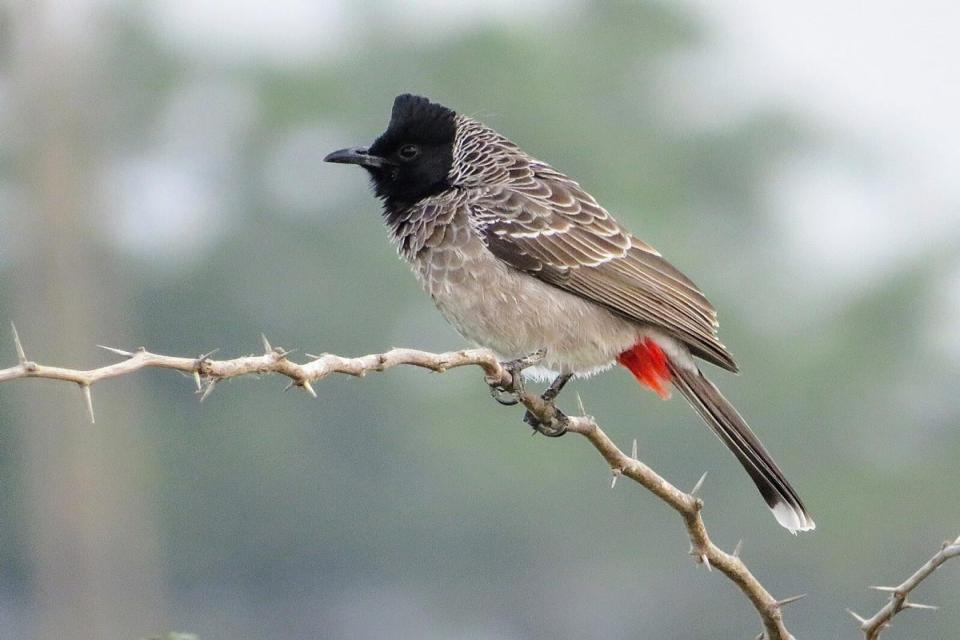
Birds to Watch For: Kalij Pheasant, Himalayan Bulbul, Black-winged Cuckoo-shrike, and Bonelli’s Eagle.
-
Culture & Nature: The trail often passes through monasteries like Nagi Gumba, where you can combine birding with a peaceful cultural experience.
-
Best Time: March and December offer the clearest views and the most active bird life.
Seasonal Guide: When to Plan Your Birding Tour
To make the most of your Nepal birding itinerary, timing is everything.
|
Season |
Months |
Highlights |
|---|---|---|
|
Spring |
March - May |
Best for breeding plumage and high-altitude species; rhododendron blooms. |
|
Autumn |
Sept - Nov |
Crystal clear mountain views and the start of winter migrations. |
|
Winter |
Dec - Feb |
Best for migratory waterfowl in Koshi Tappu and lower Terai wetlands. |
|
Summer |
June - Aug |
Lush greenery, but heavy rains and leeches make trekking difficult. |
Essential Gear for Birding in Nepal
We want you to be prepared. Here is what we suggest packing:
-
Binoculars: A standard 8x42 or 10x42 is ideal for both forest and wetland viewing.
-
Field Guide: "Birds of Nepal" by Richard Grimmett, Carol Inskipp, and Tim Inskipp is the industry gold standard.
-
Neutral Clothing: Avoid bright colors. Earth tones (greens, browns, greys) help you blend into the environment.
-
Telephoto Lens: For photographers, a 400mm to 600mm lens is recommended to capture those shy canopy dwellers.
Sustainable Birding: The Best Heritage Tour Philosophy
At Best Heritage Tour, we believe that tourism should protect what it showcases. Our bird-watching tours follow strict ethical guidelines:
-
Disturbance-Free Viewing: We keep a respectful distance, especially near nesting sites.
-
Supporting Local Communities: We use local naturalists and stay in eco-friendly lodges that contribute to habitat conservation.
-
No Playback Policy: We discourage the use of recorded bird calls to lure birds, as this can disrupt their natural breeding and territorial behaviors.
Conclusion: Let Your Journey Take Flight
Nepal is a land where the mountains touch the sky and the forests sing with a thousand voices. Whether you are searching for a rare raptor in the high Himalayas or watching a sunbird dance in a Kathmandu garden, the magic of bird watching in Nepal is something that stays with you forever.
Are you ready to witness the winged wonders of the Himalayas? Best Heritage Tour is here to handle every detail - from permits and luxury transport to the most experienced birding guides in the country.
Ready to book? Contact Best Heritage Tour Today:
WhatsApp/Phone: +977-9851149197 / +977-9810043046
Email: info@bestheritagetour.com / bestheritagetour@gmail.com
Website: www.bestheritagetour.com
Office: Thamel Marg, Kathmandu, Nepal
Author: Best Heritage Tour
Date: 18th February, 2026