When you think of the Himalayas, your mind likely drifts to jagged peaks, fluttering prayer flags, and the stoic, shaggy silhouette of a yak. In Nepal, the yak is more than just an animal; it is the heartbeat of the high mountains, a symbol of resilience, and an essential companion for the communities living at the roof of the world.
For many travelers, spotting a yak - or better yet, a whole caravan of them - is a bucket-list experience. But here is the catch: yaks in Nepal are not found just anywhere. These magnificent creatures are biological marvels designed specifically for high altitudes, and they physically cannot survive in the warmer, lower regions like Kathmandu or Pokhara.
If your goal is to see these "grunting oxen" in their natural habitat, you need to head up. Whether you are a solo adventurer, a group of friends, or a family with children, this guide will show you exactly where to see yaks in Nepal and which trails offer the best encounters.
Understanding the Himalayan Yak: More Than Just a Shaggy Cow
Before we dive into the locations, let’s clear up a common trekking misconception. Many travelers point at any large, hairy animal on the trail and shout, "Look, a yak!"
In reality, most of the animals you see below 3,500 meters (11,500 feet) are actually Chauris or Jhopkyos - hybrids between yaks and local cows. Purebred yaks are distinct:
-
The Coat: They have extremely long, thick hair that often reaches the ground, forming a "skirt."
-
The Sounds: Unlike cows that moo, yaks make a distinct grunting sound (hence their scientific name, Bos grunniens).
-
The Altitude: Pure yaks rarely descend below 3,000 meters. If you see a shaggy beast in the heat of a low valley, it's almost certainly a hybrid.
For the purists and photography enthusiasts, reaching the high pastures (locally known as Kharkas) is the only way to witness the real deal.
1. The Everest Region (Khumbu): The Iconic Yak Kingdom
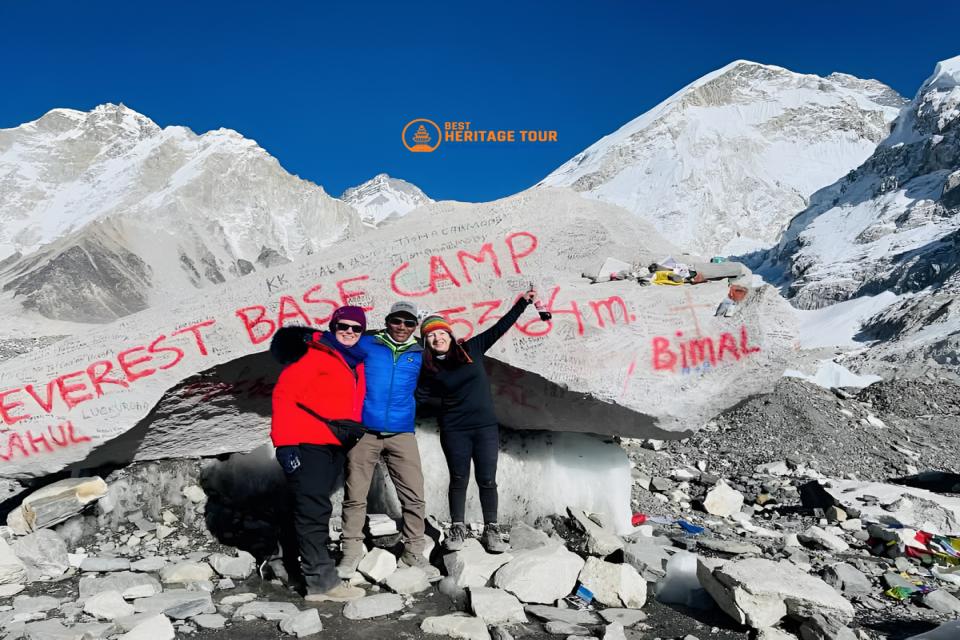
If you are looking for the most iconic place to see yaks in Nepal, the Everest region is unparalleled. Here, yaks are the primary "heavy lifters," carrying everything from climbing gear for expeditions to the very snacks you’ll buy at a teahouse.
Where exactly to see them?
-
Namche Bazaar (3,440m): Even before you reach the high peaks, the "Sherpa Capital" is a hub for yak activity. On Friday and Saturday mornings during the weekly market, you’ll see yak caravans arriving from high-altitude villages to trade.
-
Tengboche (3,860m): The meadows surrounding the famous Tengboche Monastery are classic grazing grounds. Imagine a photo of a yak with the towering peak of Ama Dablam in the background - this is where you get it.
-
Dingboche & Pheriche (4,200m+): As you move higher, the landscape turns into wide, alpine valleys. This is the heart of yak country. You’ll see large herds grazing on the sparse shrubs against a backdrop of Lhotse and Island Peak.
Why it’s great for families:
While the full Everest Base Camp (EBC) trek is strenuous, families can opt for the Everest View Trek. This shorter version goes up to Namche or Tengboche, offering plenty of yak sightings and world-class views without the 5,000-meter exhaustion.
2. Langtang Valley: The "Valley of Glaciers" and Yak Cheese
For those asking, "What is the easiest place to see yaks in Nepal?", the Langtang Valley is often the answer. It is closer to Kathmandu and offers a more intimate experience with the local herding culture.
Where exactly to see them?
-
Kyanjin Gompa (3,870m): This is the final settlement in the valley. The wide, flat valley floor is a playground for yaks.
-
The Yak Cheese Factory: Langtang is famous for its Swiss-inspired cheese factories. Visiting the factory in Kyanjin Gompa allows you to see the process and understand how vital yak milk (from the female yak, called a Nak) is to the local economy.
-
Langshisha Kharka: For those willing to hike a few hours past Kyanjin Gompa, the vast pastures of Langshisha offer a sight of yaks in a truly wild, glacial environment.
Why it’s great for travelers:
The Langtang trek is generally less crowded than Everest or Annapurna. It provides a "boutique" trekking experience where you can sit in a sun-drenched meadow and watch yaks for hours in relative peace.
3. The Annapurna Circuit: Yak Kharka and High Passes
In the Annapurna region, there is literally a place named Yak Kharka (which translates to "Yak Pasture"). If that isn't a sign, we don't know what is!
Where exactly to see them?
-
Yak Kharka (4,050m): Located between Manang and Thorong Phedi, this stop is essential for acclimatization. The hillsides here are dotted with yaks grazing on the steep slopes.
-
Manang Village: The traditional stone houses of Manang often have yaks tethered nearby or being herded through the narrow alleys.
-
Tilicho Lake Trail: If you take the detour to the world's highest lake, you will pass through rugged terrain where hardy yaks are the only livestock capable of surviving.
Why it’s great for groups:
The Annapurna Circuit is incredibly diverse. You start in lush jungles and end in a high-altitude desert. For groups with varying interests, the yak sightings in the upper Manang district are a highlight that punctuates the transition into the high Himalayas.
4. Manaslu Circuit: The Remote Frontiers
If you want to see yaks in a setting that feels like it hasn't changed in centuries, the Manaslu Circuit is the place to be. This is "Off the Beaten Path" Nepal at its best.
Where exactly to see them?
-
Sama Gaon (3,530m): This village sits at the foot of Mt. Manaslu. The locals here are deeply connected to their livestock. You’ll see yaks being used for plowing fields and carrying timber.
-
Samdo (3,875m): The last village before the Larkya La pass. Because of its proximity to the Tibetan border, you often see massive yak caravans involved in cross-border trade, carrying salt and wool.
Comparison: Which Yak Trek is Right for You?
|
Region |
Accessibility |
Yak Sighting Frequency |
Difficulty |
Best For |
|---|---|---|---|---|
|
Everest |
Flight to Lukla |
Very High (Caravans) |
Moderate to Strenuous |
Iconic views & Photography |
|
Langtang |
Road drive from KTM |
High (Pastures & Factories) |
Moderate |
Families & Short timeframes |
|
Annapurna |
Road drive + Trek |
Moderate |
Moderate to Strenuous |
Variety & Culture |
|
Manaslu |
Road drive + Trek |
High (Wild/Authentic) |
Strenuous |
Adventurers & Solitude |
Best Times to See Yaks in Nepal
Timing is everything. Yaks move based on the temperature:
-
Spring (March - May): As the snow melts, herders move the yaks to higher pastures. This is a great time to see them against a backdrop of blooming rhododendrons.
-
Autumn (September - November): This is the peak trekking season. The air is crisp, the views are clear, and yaks are busy transporting supplies for the busy trails.
-
Winter (December - February): Yaks descend to lower villages (around 3,000m) to escape the brutal high-altitude snow. While you can see them, many high-altitude teahouses may be closed.
Safety Tips for Yak Encounters
While they look like giant, cuddly teddy bears, yaks are powerful animals that deserve respect.
-
The "Mountain Side" Rule: When a yak caravan is passing you on a narrow trail, always stand on the mountain side, not the cliff side. A slight nudge from a heavy yak can easily push you off the edge.
-
Maintain Distance: Especially if there are calves (baby yaks) around. Mothers can be protective.
-
No Flash Photography: Close-range flashes can spook them. Keep it natural!
Conclusion: Making Your Yak Dreams a Reality
Seeing yaks in Nepal is more than just a wildlife sighting; it’s a gateway into the soul of the Himalayas. Whether it’s the bells of a caravan echoing through the Khumbu Valley or a solitary yak grazing near a glacier in Langtang, these moments define the magic of trekking.
At Best Heritage Tour, we specialize in crafting journeys that bring you face-to-face with the authentic heart of Nepal. From family-friendly strolls through yak pastures to high-octane passes where yaks are your only companions, we ensure your trek is safe, sustainable, and unforgettable.
Ready to hear the chime of yak bells for yourself?
Phone / WhatsApp / Viber: +977-9851149197 / +977-9810043046
Email: info@bestheritagetour.com / bestheritagetour@gmail.com
Website: www.bestheritagetour.com
Office: Thamel Marg, Kathmandu, Nepal
Author: Best Heritage Tour
Date: 19th February, 2026