Getting to the roof of the world isn't just about the destination; it’s about the journey that starts the moment you land in the colorful, chaotic, and charming streets of Kathmandu.
At Best Heritage Tour, we’ve guided thousands of trekkers through the Khumbu Valley. We know that the secret to a successful Everest Base Camp (EBC) trek isn't just strong legs - it's a smart start. From navigating the 2026 flight diversions to mastering the "climb high, sleep low" philosophy, this guide is your definitive roadmap to starting your EBC adventure from Kathmandu.
The Gateway: Your First 48 Hours in Kathmandu
Before you see the first glint of Himalayan ice, you’ll experience the vibrant pulse of Kathmandu (1,400m). For most, this is where the logistics happen.
Final Gear Check in Thamel
Thamel is the heart of the trekking world. Whether you need to rent a -20°C sleeping bag or buy a knock-off (but effective) down jacket, this is the place.
-
Pro Tip: Don't buy brand-new boots in Kathmandu. Your boots should be well broken-in back home to avoid the "trek-ending blister."
The Permit Paperwork
In 2026, the permit system is streamlined but strict. You no longer need the old TIMS card for the Everest region. Instead, you need:
-
Khumbu Pasang Lhamu Rural Municipality Permit: (approx. NPR 3,000) - Payable in Lukla or Monjo.
-
Sagarmatha National Park Entry Permit: (approx. NPR 3,000) - Obtainable at the Nepal Tourism Board in Kathmandu or at the park entrance in Monjo.
The Great Lukla Logic: Kathmandu vs. Ramechhap
The most common question we get at Best Heritage Tour is: "Do I fly from Kathmandu or Ramechhap?"
The 2026 Shift
To reduce air traffic congestion at Tribhuvan International Airport (TIA), most flights to Lukla during the Peak Seasons (March-May and October-November) now operate from Manthali Airport in Ramechhap.
-
The Journey: This involves a 4 to 5-hour drive from Kathmandu, starting around 2:00 AM, to catch a 20-minute flight to Lukla.
-
Why it matters: It’s actually more reliable. Ramechhap has fewer "big jet" delays, meaning you're more likely to fly on schedule.
-
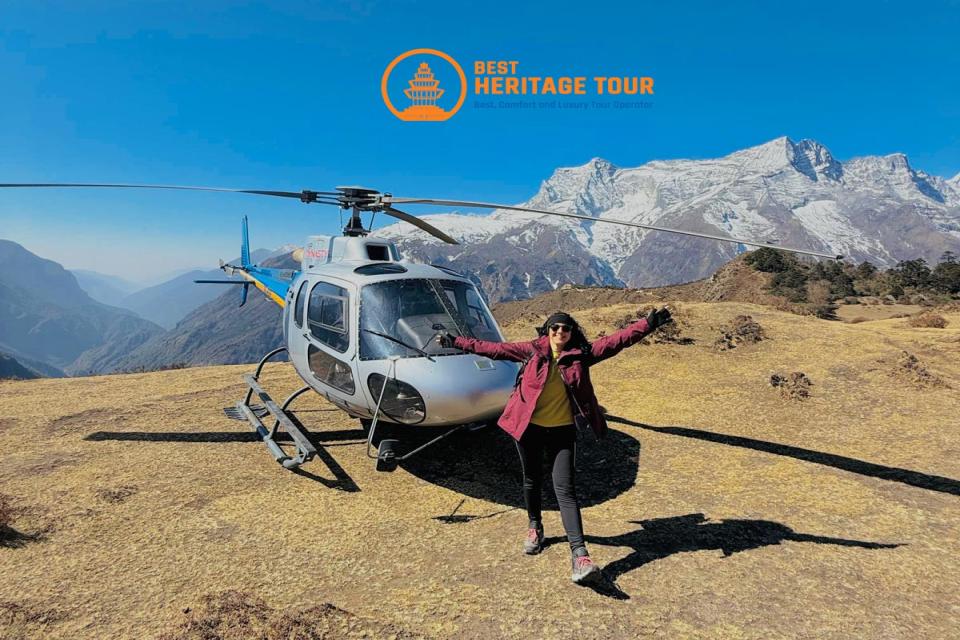
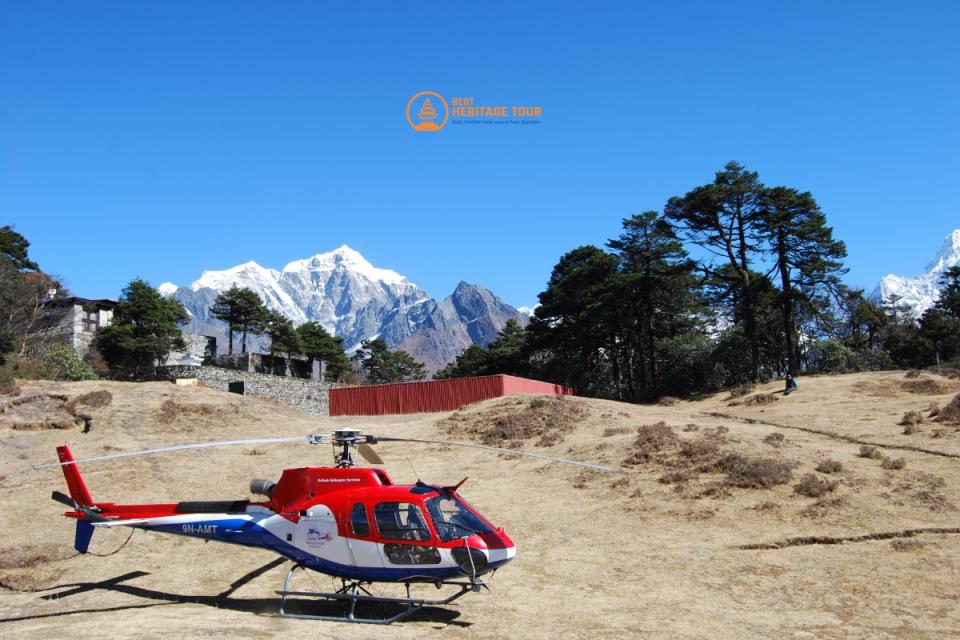
The Helicopter Alternative: If you want to skip the 2 AM drive, you can opt for a helicopter directly from Kathmandu to Lukla. It’s a splurge, but the views are worth every cent.
The Flight to Tenzing-Hillary Airport (Lukla)
The flight to Lukla (2,860m) is an adventure in itself. You’ll board a small STOL (Short Take-Off and Landing) aircraft like a Twin Otter or Dornier.
-
The View: Sit on the left side of the plane when flying to Lukla for the best mountain views.
-
The Runway: At just 527 meters long and perched on a cliffside, landing here is the ultimate "Welcome to the Himalayas" moment.
The Classic 14-Day Itinerary: A Sample Path
While everyone moves at a different pace, a standard, safe itinerary looks like this:
|
Day |
Destination |
Altitude |
Highlights |
|---|---|---|---|
|
1 |
Kathmandu |
1,400m |
Briefing & Cultural Dinner |
|
2 |
Lukla to Phakding |
2,610m |
First steps, Dudh Koshi River |
|
3 |
Namche Bazaar |
3,440m |
The steep climb to the Sherpa Capital |
|
4 |
Acclimatization |
3,440m |
Hike to Everest View Hotel |
|
5 |
Tengboche |
3,860m |
Spiritual heart & Monastery |
|
6 |
Dingboche |
4,410m |
Summer valley & Ama Dablam views |
|
7 |
Acclimatization |
4,410m |
Hike to Nangkartshang Peak |
|
8 |
Lobuche |
4,940m |
Khumbu Glacier terminal moraine |
|
9 |
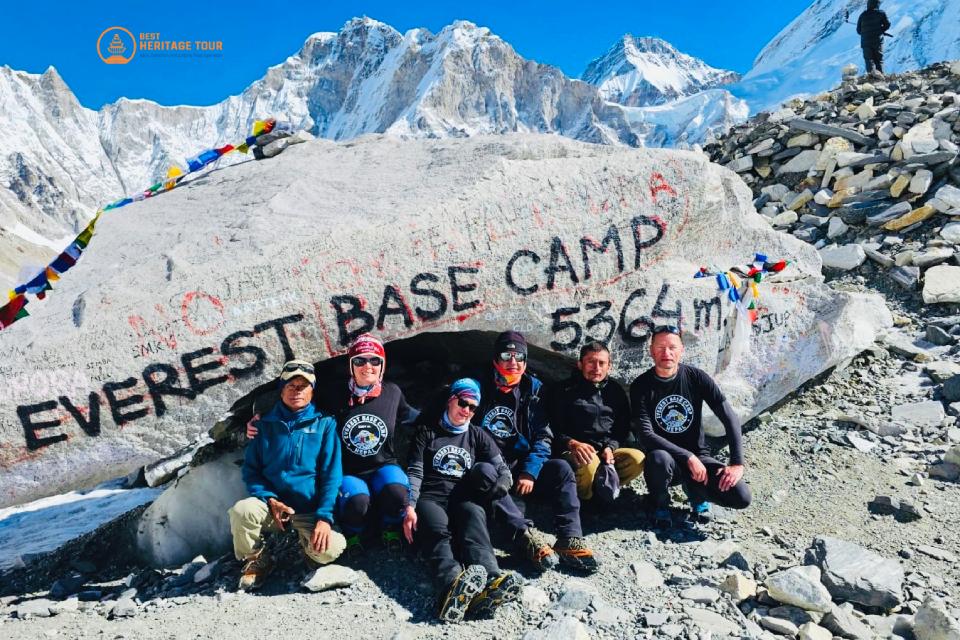
Gorakshep / EBC |
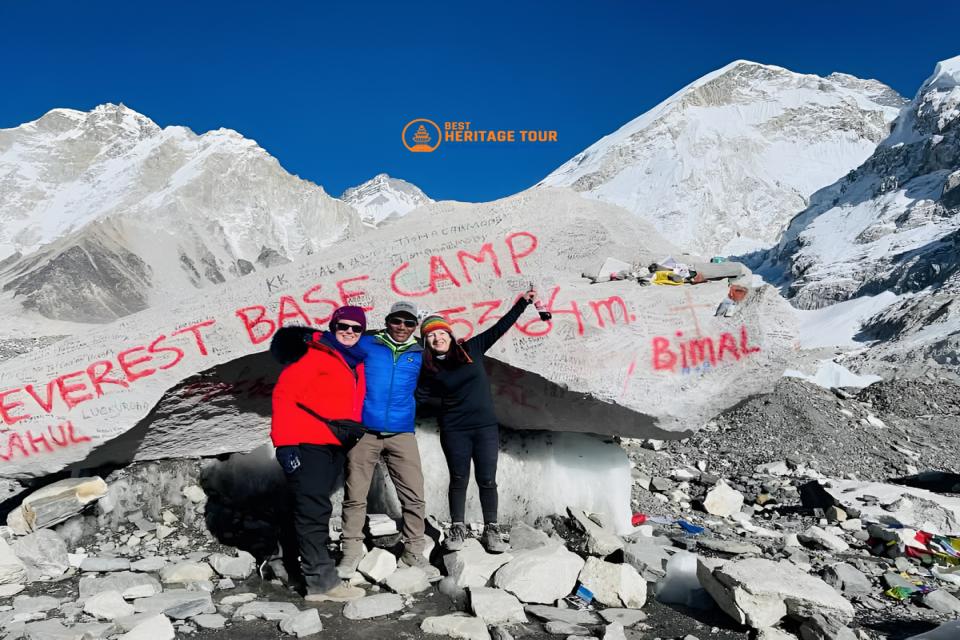
5,364m |
Reaching Everest Base Camp |
|
10 |
Kala Patthar |
5,545m |
The ultimate sunrise over Everest |
|
11-13 |
Descent to Lukla |
2,860m |
Retracing steps with "thicker" air |
|
14 |
Fly to Kathmandu |
1,400m |
Farewell & Celebration |
Physical & Mental Preparation
You don't need to be a marathon runner, but EBC is a test of endurance. You will be walking 5 to 8 hours a day for nearly two weeks.
Training for the Trek
-
Cardio is King: Focus on hiking, cycling, or swimming 3-4 times a week starting at least 2 months before your trip.
-
Stair Climbing: There are thousands of stone steps in the Khumbu. Use a stair-climber at the gym or find a local stadium.
-
Weighted Hikes: Practice hiking with a 5-7kg daypack to get your shoulders used to the weight.
The Mental Game
The cold, the basic teahouses, and the thin air can be draining. At Best Heritage Tour, we always tell our clients: "The mountain is 50% physical and 50% mental." Patience and a sense of humor are your best pieces of gear.
Understanding High Altitude: The Golden Rules
Altitude Sickness (AMS) is real, but manageable if you follow the rules:
-
Walk Slow (Bistari, Bistari): This isn't a race. The slower you go, the better you adapt.
-
Hydrate: Drink 3-4 liters of water daily.
-
Eat Garlic Soup: A local Sherpa remedy that helps with blood circulation.
-
Listen to Your Body: If you have a persistent headache or nausea, tell your guide immediately.
Packing Like a Pro
Weight is restricted on Lukla flights (usually 10kg for your duffel and 5kg for your daypack).
-
Layering: Think moisture-wicking base layers, a fleece mid-layer, and a heavy down outer layer.
-
Feet: High-quality wool socks (merino wool is best) and trekking poles to save your knees on the descent.
-
Tech: Bring a power bank (charging in teahouses costs extra) and spare camera batteries (cold drains them fast).
Why Trek with Best Heritage Tour?
Starting your trek from Kathmandu is a logistical puzzle. Between flight cancellations, permit updates, and finding the best teahouses, it can be overwhelming for a solo traveler.
When you book with Best Heritage Tour, we handle the "hidden" stress. We provide:
-
Expert local guides who are first-aid certified.
-
Pre-booked, high-quality teahouses (no sleeping in dining rooms!).
-
Seamless flight and ground transport arrangements.
-
A cultural deep-dive that goes beyond just the trail.
Conclusion
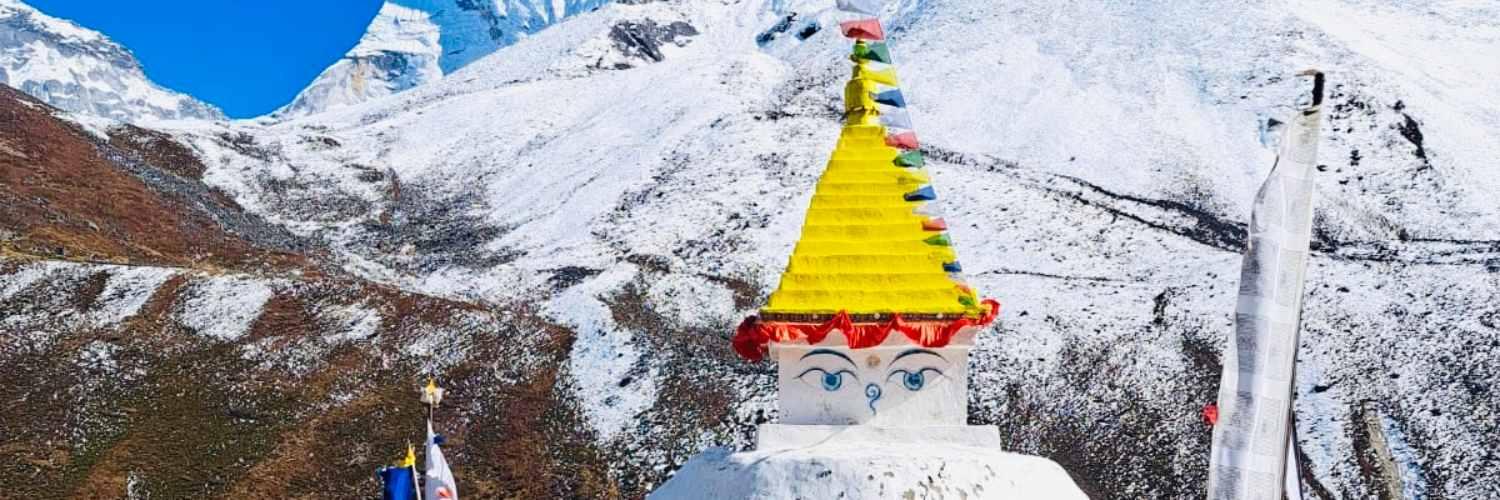
Starting your Everest Base Camp trek from Kathmandu is a rite of passage for every traveler. It is a journey that shifts from the temple bells of the city to the fluttering prayer flags of the high Himalayas. It’s hard, it’s beautiful, and it will change how you see the world.
Are you ready to stand at the base of the world's highest peak?
Phone / WhatsApp / Viber: +977-9851149197 / +977-9810043046
Email: info@bestheritagetour.com / bestheritagetour@gmail.com
Website: www.bestheritagetour.com
Office: Thamel Marg, Kathmandu, Nepal
Author: Best Heritage Tour
Date: 4th February, 2026