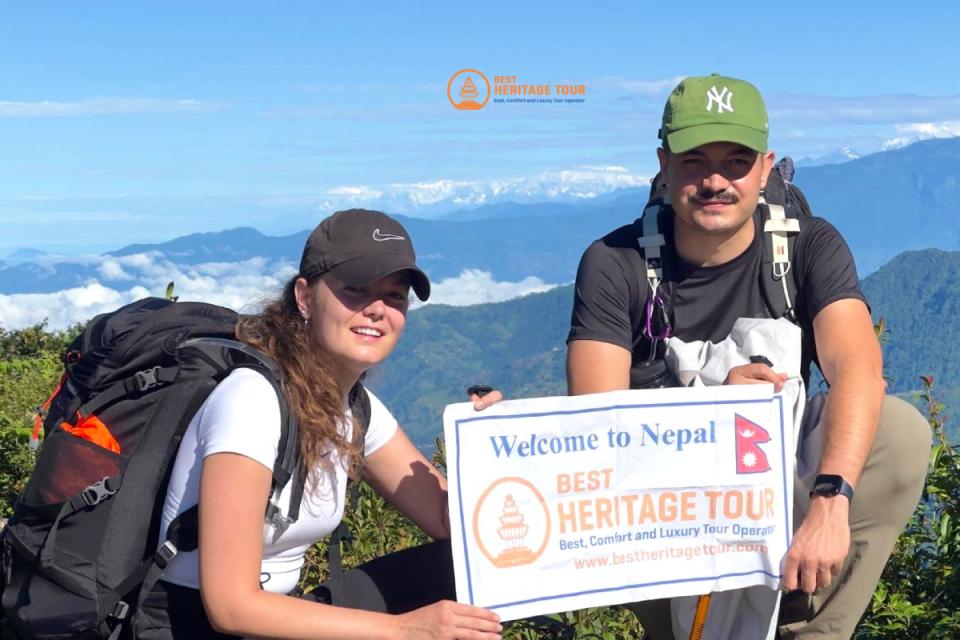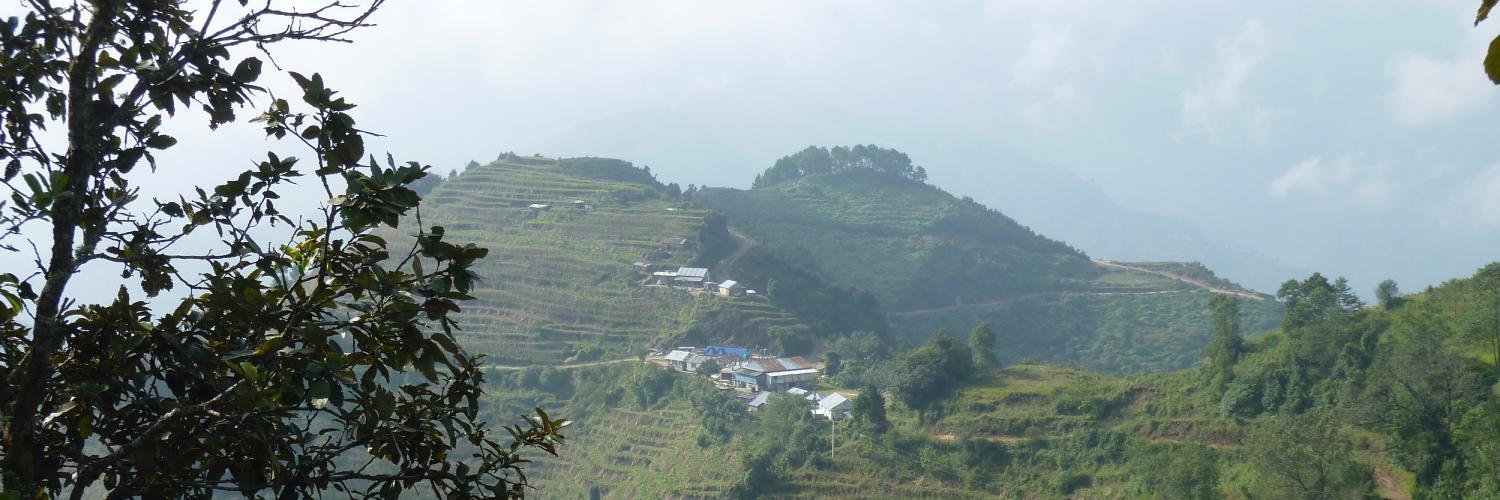
So, you’ve been dreaming of the Himalayas. You’ve seen the photos of fluttering prayer flags, snow-capped peaks, and mist-covered valleys. But then the doubt creeps in: “Am I fit enough? Is it too dangerous for a beginner? How difficult is the Helambu Trek, really?”
At Best Heritage Tour, we hear these questions every day. If you are a traveler looking for a "Himalayan fix" without the grueling three-week commitment of Everest Base Camp, the Helambu Trek is often the first recommendation we make.
Located just a stone’s throw from the Kathmandu Valley, Helambu is a hidden gem that offers the perfect "Goldilocks" experience: it’s not too high, it’s not too long, and it’s arguably one of the most culturally immersive trails in Nepal.
In this ultimate guide, we are going to break down the Helambu Trek difficulty from every angle - altitude, terrain, fitness, and weather - to help you decide if this is the right adventure for your 2026 travel bucket list.
At a Glance: The "Stats" of the Helambu Trek
Before we dive into the details, let's look at the basic profile of the trek. This helps put the "difficulty" into perspective compared to other popular routes like Langtang Valley or the Annapurna Circuit.
|
Feature |
Details |
|---|---|
|
Max Elevation |
3,650m (Tharepati) |
|
Duration |
5 to 8 Days |
|
Trek Grade |
Easy to Moderate |
|
Daily Walking |
5 to 7 Hours |
|
Best Season |
March-May (Spring) & September-November (Autumn) |
|
Accommodation |
Traditional Tea Houses |
|
Starting Point |
Sundarijal (1-hour drive from Kathmandu) |
1. The Altitude Factor: Is There a Risk of AMS?
When people talk about the "difficulty" of trekking in Nepal, they are usually talking about Acute Mountain Sickness (AMS).
One of the biggest advantages of the Helambu Trek is its relatively low altitude. While the Everest Base Camp Trek takes you to over 5,300m, the highest point of the Helambu Circuit is Tharepati at 3,650m.
Why this matters for beginners:
-
Lower Risk of Altitude Sickness: Most people do not experience significant AMS symptoms below 3,000m. Since you only spend one or two nights above this mark, the risk is significantly lower than on other treks.
-
No Need for "Acclimatization Days": Unlike longer treks where you must stay in one village for two nights to let your blood oxygen levels adjust, the Helambu route allows for a steady, natural ascent.
-
Better Sleep: It is much easier to get a good night's rest at 2,500m than it is at 4,000m.
Expert Tip from Best Heritage Tour: Even though the risk is low, hydration is key. Drink at least 3-4 liters of water daily to help your body process the change in elevation.
2. Terrain and Trail Conditions: What Are You Walking On?
If you are imagining vertical rock climbing or walking on narrow ridges with death-defying drops, take a deep breath. Helambu isn't that.
The trails in Helambu are mostly well-marked ancient footpaths used by local villagers for centuries. However, "easy" in the Himalayas still means you’ll be working your legs.
The "Nepali Flat"
You will hear this term often. "Nepali flat" translates to "a little bit up, a little bit down." The Helambu Trek involves a lot of stone stairs.
-
The Sundarijal Climb: The trek starts with a fairly steep climb up stone steps from Sundarijal to Chisapani. It’s a bit of a "wake-up call" for your calves, but once you reach the ridge, the views make it worth it.
-
Forest Paths: Much of the trail winds through lush rhododendron and oak forests. These paths are softer on the knees but can become slippery if there has been recent rain.
-
The Descent: The descent from Tharepati to Melamchi Gaon is quite steep (1,000m drop in one day). This is often where trekkers find the most "difficulty" - not in the lungs, but in the knees.
3. Physical Fitness: Do You Need to Be an Athlete?
You don’t need to be a marathon runner to enjoy the Helambu Trek, but you shouldn't come straight from a couch-potato lifestyle either.
Who is this trek for?
-
Beginners: If you have never trekked in Nepal before, this is the perfect "starter" trek.
-
Families: We often organize Helambu tours for families with active children (10+ years) because the daily distances are manageable.
-
Older Travelers: For those who want the Himalayan experience without the extreme physical toll of high-altitude passes.
How to prepare:
If you can walk for 5-6 hours on hilly terrain with a light daypack (5-7 kg), you are ready for Helambu. We recommend:
-
Cardio: 30 minutes of jogging or swimming 3 times a week for a month before the trip.
-
Leg Strength: Squats and lunges will help you tackle those stone steps.
-
Hiking Practice: Go on a few 4-hour day hikes in your home country to break in your boots.
4. The Cultural Landscape: A "Difficulty" of a Different Kind
Sometimes, the "difficulty" for travelers isn't physical, but cultural. Helambu is a deeply spiritual region, home to the Hyolmo (Yolmo) and Tamang people.
The lifestyle here is simple. You won't find luxury hotels or high-speed Wi-Fi in every village.
-
Teahouse Living: You will be staying in local lodges. The rooms are basic (usually two twin beds and a shared bathroom).
-
The Food: You’ll be eating a lot of Dal Bhat (lentil soup and rice). It is the best fuel for trekking, but if you are a picky eater, the limited menu might be a small challenge.
-
Authenticity: Because Helambu is less crowded than the Annapurna region, you get a much more authentic look at mountain life. You’ll see monks at ancient monasteries like Tarke Ghyang and witness traditional farming in action.
5. Best Time to Trek: Weather vs. Difficulty
The season you choose will drastically change the difficulty level of your journey.
Spring (March to May) - The Easiest
The weather is stable, the days are long, and the rhododendrons are in full bloom. The trails are dry, making for the safest walking conditions.
Autumn (September to November) - The Most Beautiful
The air is washed clean by the monsoon, offering the sharpest views of Langtang Lirung, Ganesh Himal, and Dorje Lakpa. It is crisp and cool - perfect trekking weather.
Winter (December to February) - The Coldest
While the skies are blue, it gets very cold at night (dropping below 0℃). Some high-altitude teahouses might close, and there could be snow on the Tharepati pass, which increases the difficulty.
Monsoon (June to August) - The Hardest
We generally advise beginners to avoid Helambu in the summer. The trails become slippery, leeches come out in the forests, and clouds often hide the mountains.
6. Comparing Helambu to Other Treks
To give you a better idea of where Helambu sits on the "hardship scale," let's compare it to its neighbors:
-
Helambu vs. Langtang Valley: Langtang goes higher (up to 5,000m if you climb Tserko Ri) and feels more "alpine." Helambu is lower, more forested, and focuses more on village culture. Helambu is slightly easier on the lungs.
-
Helambu vs. Gosaikunda: The Gosaikunda trek involves crossing the Lauribina Pass (4,610m). This is significantly more difficult than Helambu and requires much better fitness and cold-weather gear.
-
Helambu vs. Everest Base Camp: There is no comparison. EBC is a "tough" trek; Helambu is a "moderate" adventure.
7. Essential Packing List for a Successful Trek
Overpacking is a common mistake that makes a trek feel much harder than it needs to be. Here is what you actually need:
-
Footwear: Broken-in hiking boots (mandatory) and a pair of sandals for the teahouses.
-
Clothing: Layering is key. Base layers (merino wool), a fleece mid-layer, and a down jacket for the evenings.
-
Trekking Poles: These are a lifesaver for your knees during the long descent from Tharepati.
-
Personal Meds: While we carry a first aid kit, bring your own blister pads, ibuprofen, and rehydration salts.
-
Water Purification: Help us keep the mountains clean by using purification tablets or a Filtered bottle instead of buying plastic bottles.
Final Verdict: Is it Difficult?
So, back to the big question: How difficult is the Helambu Trek?
On a scale of 1 to 10 (where 1 is a walk in a city park and 10 is climbing Everest), Helambu is a 4.
It is a physical challenge that will make you sweat and give you a few sore muscles, but it is well within the reach of any healthy traveler with a spirit of adventure. It offers the maximum "Himalayan Reward" for a relatively "Moderate Effort."
The "difficulty" of Helambu is quickly forgotten the moment you stand at the ridge of Tharepati at sunrise, watching the peaks turn gold while sipping a hot cup of tea.
Ready to lace up your boots?
The trails of Helambu are waiting for you. Don't let the fear of "difficulty" stop you from experiencing the soul of Nepal.
Phone / WhatsApp / Viber: +977-9851149197 / +977-9810043046
Email: info@bestheritagetour.com / bestheritagetour@gmail.com
Website: www.bestheritagetour.com
Office: Thamel Marg, Kathmandu, Nepal
Author: Best Heritage Tour
Date: 6th February, 2026