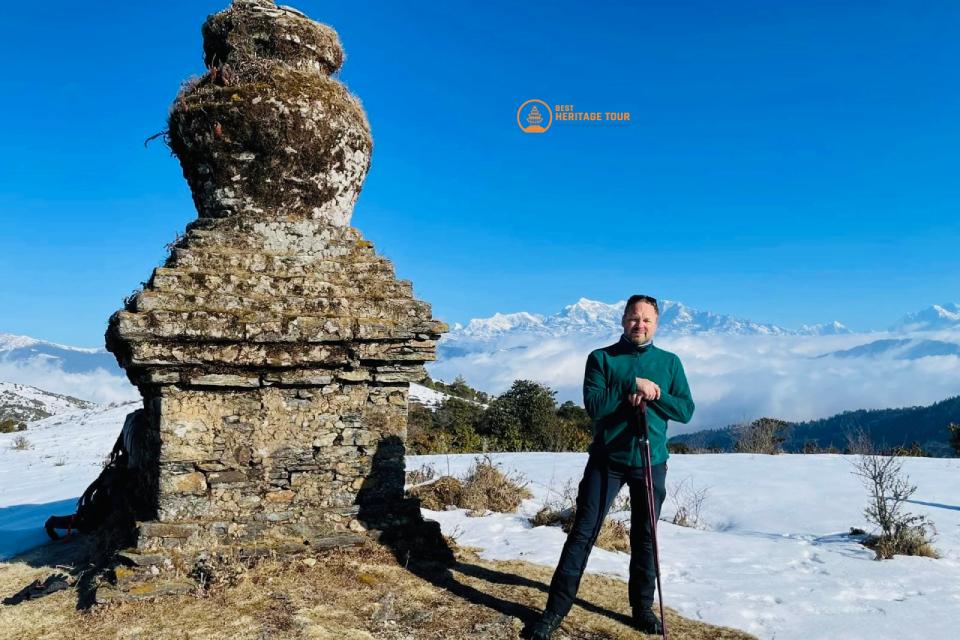
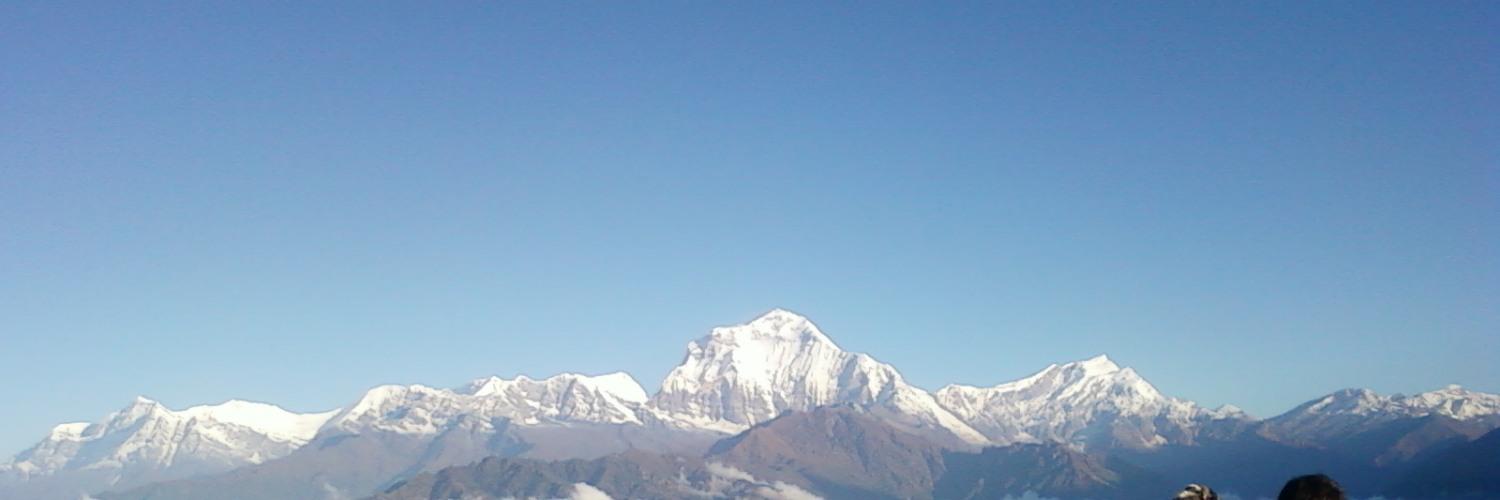
When you think of trekking in Nepal, your mind likely leaps to the iconic fluttering prayer flags of Everest Base Camp or the legendary tea houses of the Annapurna Circuit. These routes are world-famous for a reason - they are breathtaking. However, at Best Heritage Tour, we’ve noticed a shift. The modern traveler is no longer just looking for a "bucket list" checkmark; they are searching for silence. They want the rustle of rhododendrons without the chatter of a hundred other hikers. They want to witness a sunrise over the Himalayas where the only footsteps in the frost are their own.
Nepal is home to thousands of miles of trails, and while 80% of trekkers stick to the "Big Three" (Everest, Annapurna, and Langtang), the real magic often lies in the shadows of these giants. If you are ready to swap the crowds for authentic cultural immersion and pristine wilderness, here is our expert guide to the best-hidden treks in Nepal for 2026.
Why Choose an Off-the-Beaten-Path Trek?
Before we dive into the specific trails, let’s talk about the why. Choosing a less-crowded trek isn't just about avoiding a queue at a suspension bridge. It’s about:
-
Authenticity: In restricted or remote areas, "tourism" hasn't yet polished the edges of local life. You aren't just a customer; you are a guest in a centuries-old way of life.
-
Wildlife Encounters: Fewer humans mean more active wildlife. These trails are where you’re most likely to spot the elusive Red Panda, Himalayan Tahr, or even signs of the Snow Leopard.
-
Direct Impact: Your trekking dollars go further in remote regions, supporting small family-run lodges and communities that don't see the massive foot traffic of the Solu-Khumbu.
-
Mental Clarity: There is a specific kind of peace that only comes from true Himalayan solitude.
1. The Tsum Valley: Nepal’s Sacred "Hidden" Kingdom
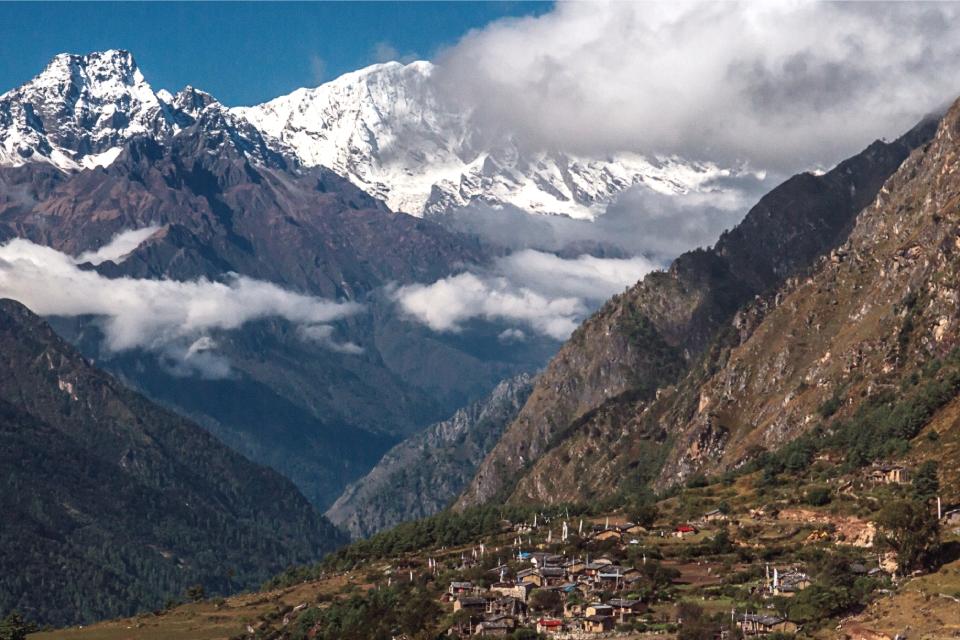
Often overshadowed by its neighbor, the Manaslu Circuit, the Tsum Valley is a place where time seems to have stood still since the 13th century. Known as Beyul Kyimolung (the Valley of Happiness), it was closed to foreigners until 2008.
Why it’s a Hidden Gem
The Tsum Valley is a "restricted area," meaning you need a special permit and a registered guide (like our experts at Best Heritage Tour). Because of this extra step, the crowds remain thin. The valley is deeply spiritual; the local people, known as 'Tsumbas,' practice a non-violent form of Buddhism where no hunting or slaughtering of animals is permitted.
Highlights:
-
Mu Gompa: An ancient monastery perched at 3,700 meters, offering panoramic views of the Ganesh Himal.
-
Milarepa’s Cave: A sacred site where the great Tibetan yogi is said to have meditated.
-
Cultural Purity: See stone-built villages and polyandry traditions that remain intact.
Best For: History buffs and spiritual seekers who want a moderate-to-challenging cultural immersion.
2. Pikey Peak: The Best View of Everest You’ve Never Heard Of
Sir Edmund Hillary once famously claimed that Pikey Peak offered the most incredible view of Mt. Everest in all of Nepal. Yet, while thousands fly into Lukla every month, very few take the drive to Dhap to begin this ridge-line trek.
The Insider Secret
At 4,065 meters, Pikey Peak isn't a "high altitude" beast by Himalayan standards, making it perfect for those who want the views without the extreme oxygen thinness. From the summit, you don’t just see Everest; you see a panoramic sweep including Kanchenjunga, Makalu, and Lhotse - four of the world’s five highest peaks in one frame.
Highlights:
-
Lower Solu-Khumbu Culture: Experience authentic Sherpa hospitality without the commercial "resort" feel of Namche Bazaar.
-
Sunrise Magic: The sunrise from the Pikey Peak summit is arguably the best in the country.
-
Short Duration: Perfect for travelers with only 6-8 days to spare.
Best For: Photographers and those looking for "Big Mountain" views on a shorter timeframe.
3. Nar Phu Valley: A Step Back into Medieval Tibet
Tucked between the Annapurna and Manaslu ranges lies the rugged, high-altitude desert of Nar and Phu. This trek is for the adventurer who finds the Annapurna Circuit a bit too "civilized."
The "Forgotten" Frontier
Accessing Nar and Phu requires crossing the challenging Kang La Pass (5,306m). This geographical barrier has acted as a natural shield, preserving a medieval Tibetan culture. The villages of Nar and Phu are clusters of stone houses and ancient monasteries, where yaks are more common than Wi-Fi signals.
Highlights:
-
Phu Gaon: A village built into the cliffs that feels more like a fortress than a settlement.
-
Kang La Pass: A thrilling high-altitude crossing with views that make the effort feel small.
-
Unique Landscapes: Transition from lush forests to the arid, wind-sculpted terrain of the Trans-Himalayas.
Best For: Seasoned trekkers who want a physical challenge combined with rare anthropology.
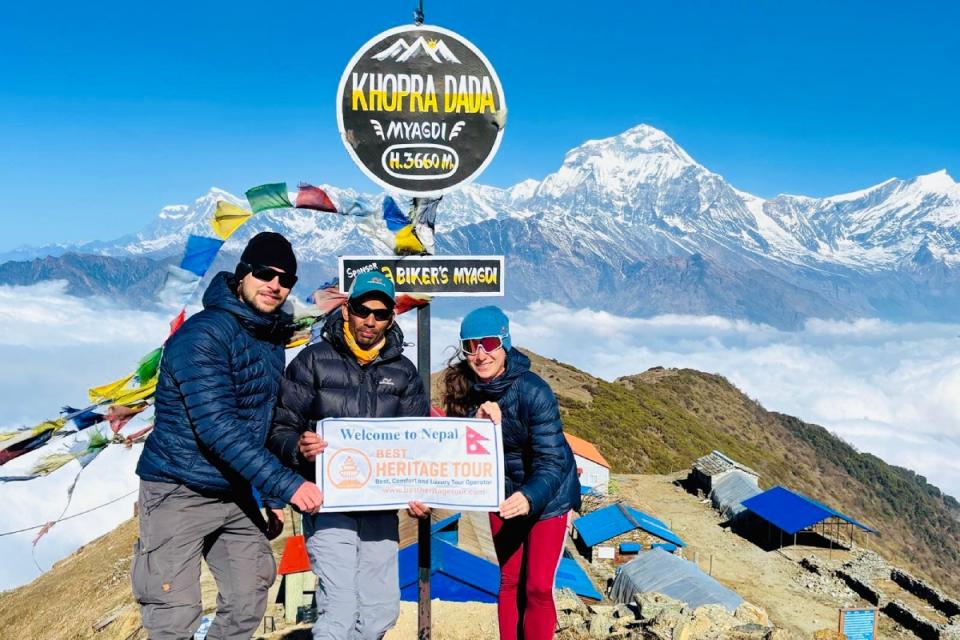
4. The Khopra Danda Ridge: The Ultimate "Balcony" Trek
If you want the beauty of the Annapurna region but want to avoid the "highway" feel of the main trails, Khopra Danda (Khopra Ridge) is the answer.
Why Travelers Miss It
Most people head to Ghorepani and Poon Hill, snap their photos, and head back down. Khopra Danda sits higher and further into the wilderness. It’s a community-based trekking route where the lodges are owned by the local villages, meaning your stay directly funds local schools and clinics.
Highlights:
-
Khayer Lake: A sacred high-altitude lake at 4,600m that reflects the Annapurna South massif like a mirror.
-
Close-up Vistas: You are so close to Dhaulagiri and Annapurna South that it feels like you could reach out and touch the glaciers.
-
Eco-Tourism: Stay in community lodges that offer a more personal, rustic experience.
Best For: Nature lovers and those who want to support sustainable, community-led tourism.
5. Upper Dolpo: The Land of the Snow Leopard
For the ultimate "off-the-map" experience, there is only one destination: Upper Dolpo. This is the setting of Peter Matthiessen’s The Snow Leopard and Eric Valli’s Himalaya. It is remote, expensive to access, and utterly life-changing.
The Last Frontier
Upper Dolpo is one of the most remote places on Earth. There are no permanent roads, and the culture is a rare form of Bon-Po (pre-Buddhist) and Tibetan Buddhism. Trekking here is a logistical feat, requiring camping and full support, which is why Best Heritage Tour specializes in these deep-wilderness expeditions.
Highlights:
-
Phoksundo Lake: A turquoise lake so deep and blue it looks photoshopped. It is surrounded by jagged, barren cliffs and is considered sacred.
-
Shey Gompa: The "Crystal Mountain" monastery, a site of immense spiritual power.
-
The Silence: You can walk for days here without seeing another soul outside of your trekking party.
Best For: The elite adventurer seeking total isolation and raw, untouched beauty.
Expert Tips for Planning Your Offbeat Trek
Trekking in less-crowded areas requires a different level of preparation than the popular routes. Here is what we recommend at Best Heritage Tour:
1. Hire a Specialized Guide
On the Everest trail, you can almost follow the breadcrumbs. In places like Nar Phu or Dolpo, trails can be faint, and weather can change rapidly. A local guide isn't just a navigator; they are your bridge to the local culture and your safety net in the wild.
2. Prepare for Basic Infrastructure
The "hidden" part of these treks means the tea houses are more basic. You might not find a 24/7 hot shower or an extensive pasta menu. Embrace the dal bhat (lentil soup and rice) - it’s the fuel of the Himalayas!
3. Respect the Permits
Many of these areas are "Restricted Zones" to protect the environment and culture. These permits cannot be obtained by solo trekkers; they must be processed through a registered agency like ours. Always plan at least a month in advance for these specific routes.
4. Pack for All Seasons
Remote trails often involve crossing high passes. Even if it's 20°C in the valley, it can be -10°C at the top of a pass. Layering is your best friend.
Comparison of Hidden Treks at a Glance
|
Trek Name |
Duration |
Difficulty |
Max Altitude |
Highlights |
|---|---|---|---|---|
|
Pikey Peak |
6-8 Days |
Easy-Moderate |
4,065m |
Best Everest view, Sherpa culture |
|
Tsum Valley |
12-14 Days |
Moderate |
3,700m |
Ancient monasteries, non-violence |
|
Khopra Danda |
7-9 Days |
Moderate |
3,660m |
Community lodges, Khayer Lake |
|
Nar Phu |
12-15 Days |
Challenging |
5,306m |
Medieval stone villages, Kang La |
|
Upper Dolpo |
20-25 Days |
Very Challenging |
5,350m |
Phoksundo Lake, total isolation |
Conclusion
The Himalayas are more than just a mountain range; they are a living, breathing tapestry of culture, spirituality, and geological wonder. While the famous trails will always hold their charm, the "hidden" paths of Nepal offer something rare in our modern world: the chance to be a pioneer.
At Best Heritage Tour, we don't just provide guides; we provide storytellers and companions who ensure your journey into the unknown is safe, respectful, and deeply moving. Whether you want to stand on the "balcony of the Annapurnas" at Khopra Danda or seek the spiritual silence of the Tsum Valley, we are here to make it happen.
Are you ready to discover the Nepal that most travelers never see?
Phone / WhatsApp / Viber: +977-9851149197 / +977-9810043046
Email: info@bestheritagetour.com / bestheritagetour@gmail.com
Website: www.bestheritagetour.com
Office: Thamel Marg, Kathmandu, Nepal
Author: Best Heritage Tour
Date: 6th February, 2026