For many, the dream of standing at the foot of the world’s highest peak is momentarily dampened by a single, nerve-wracking hurdle: the flight to Lukla. Known for its short, cliff-side runway and the unpredictable whims of Himalayan weather, Tenzing-Hillary Airport is often cited as one of the most "thrilling" (terrifying) airports in the world.
At Best Heritage Tour, we’ve heard it all - from the seasoned hiker who simply prefers the slow road to the adventurer whose acrophobia makes that 35-minute Twin Otter flight a deal-breaker.
The good news? You don't need a boarding pass to see Everest. In fact, some of the most rewarding ways to reach the Khumbu region involve keeping your boots firmly on the ground. This guide explores the "No-Fly" routes to Everest Base Camp (EBC), offering a deeper cultural immersion, better acclimatization, and a true sense of the journey that early pioneers once took.
Why Choose the Overland Route?
Before we dive into the specific trails, let’s talk about why skipping the flight might actually be the smartest decision you make for your Himalayan adventure.
1. Superior Acclimatization
The biggest threat to any EBC trekker isn't a yeti or a landslide - it’s Altitude Sickness (AMS). When you fly from Kathmandu (1,400m) to Lukla (2,860m), you gain nearly 1,500 meters in half an hour. By trekking from lower elevations like Jiri or Salleri, you give your body days to adjust before you even hit the 3,000-meter mark. This significantly increases your chances of reaching Base Camp feeling strong rather than struggling for air.
2. Reliability in a Land of Clouds
Lukla flights are notorious for cancellations. A single cloud sitting on the ridge can ground flights for days, causing a massive backlog of trekkers in Kathmandu or Lukla. When you go by road, you control the clock. Rain or shine, the wheels keep turning, ensuring your international return flight remains safe from "Lukla delays."
3. The "Hillary-Tenzing" Heritage
Until the airport was built in 1964, everyone walked from the Kathmandu Valley. By choosing the overland route, you are literally following in the footsteps of Sir Edmund Hillary and Tenzing Norgay Sherpa. You’ll see the "Green Solu" region - a part of the Everest district that 95% of trekkers miss entirely.
Route 1: The Classical "Hillary Route" (Jiri to EBC)
If you are a purist with time on your hands, this is the gold standard. This route adds approximately 5 to 7 days of trekking before you even reach the "normal" trail at Lukla.
-
Starting Point: Jiri (accessible by an 8-9 hour drive from Kathmandu).
-
Duration: 20-22 days total.
-
Difficulty: Strenuous (lots of "Nepali flats" - up and down).
-
The Experience: You’ll pass through Brahmin, Chhetri, and Magar villages before entering the Sherpa heartlands. It is a masterclass in Nepali geography and culture.
Why we love it: You cross the Lamjura La Pass (3,530m). Reaching this height early in the trek acts as a "vaccine" against altitude sickness later on. By the time you reach Namche Bazaar, you’ll be out-walking people half your age who flew into Lukla.
Route 2: The "Fastest" Land Route (Jeep to Thamdanda/Surke)
For those on a tighter schedule who still refuse to fly, the road has recently extended even further. During the dry season (March-May and October-November), sturdy 4WD jeeps can reach Thamdanda or even Surke.
-
Duration: 14-16 days
-
The Plan: A long, bumpy, 14-16 hour jeep ride from Kathmandu.
-
The Benefit: You start your trek almost at the same altitude as Lukla, but without the flight risk.
-
The Trade-off: It’s a grueling day in a vehicle, but for many, a bumpy road is infinitely better than a small plane!
Detailed Planning: What to Expect on the Trail
The "Up and Down" Reality
Lower Solu is not a flat valley. Expect to descend 1,000 meters to a river only to climb 1,200 meters to a ridge on the same day. This "stairmaster" training is exactly why overland trekkers are usually the fittest people at Base Camp.
Accommodation & Food
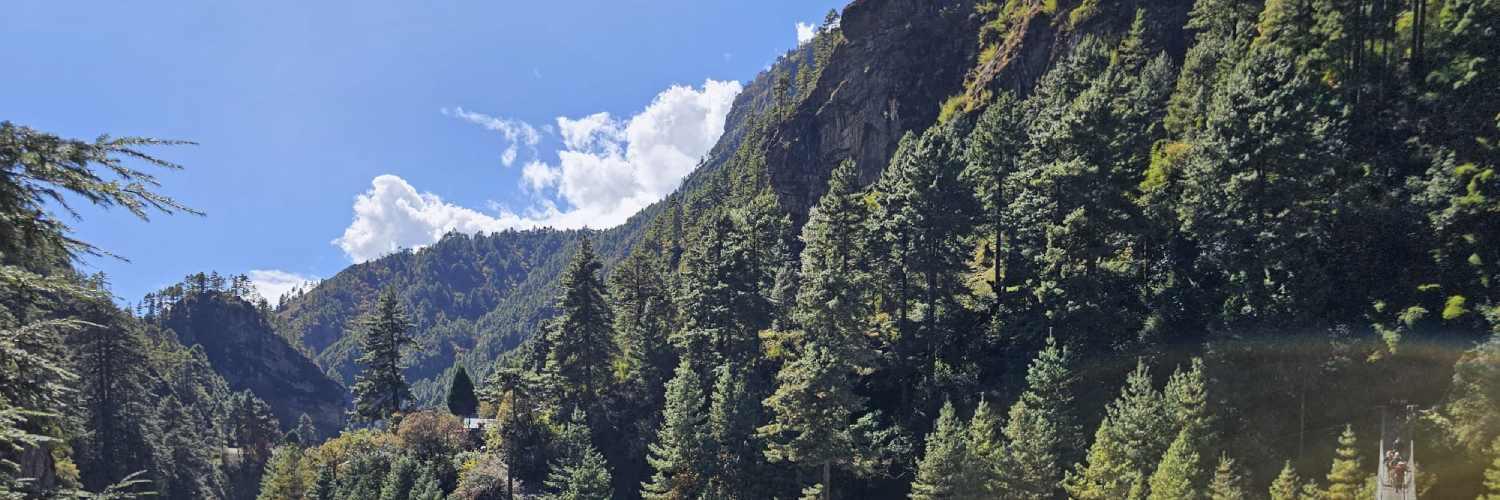
In the lower regions (Jiri to Phakding), the teahouses are more authentic and less "touristy." You’ll eat more organic, garden-fresh vegetables. As you join the main trail near Phakding, the lodges become larger and offer more varied menus (including the famous "Sherpa Stew").
Essential Gear
While the gear list for EBC remains largely the same, overland trekkers need to be prepared for warmer, more humid conditions in the lower valleys.
-
Layering is key: You’ll start in T-shirts among banana trees and end in down jackets among glaciers.
-
Better boots: You’re adding an extra 50-80km to your journey; ensure your boots are well broken in!
Sample Itinerary: The Thamdanda/Surke Strategy (14 Days)
This is the itinerary we most often recommend at Best Heritage Tour for those avoiding Lukla. It strikes the perfect balance between adventure and time efficiency.
-
Day 1: Drive from Kathmandu to Thamdanda (2,362m).
-
Day 2: Trek to Phakding (joining the main EBC trail).
-
Day 3-4: Journey to Namche Bazaar (with acclimatization day).
-
Day 5-8: The classic ascent through Tengboche, Dingboche, and Lobuche.
-
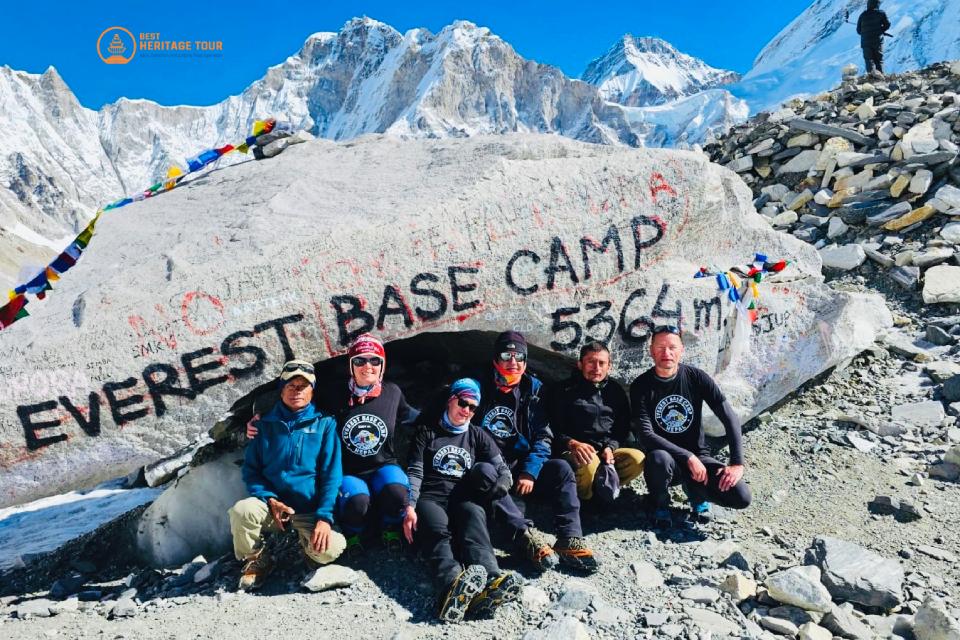
Day 9: Reaching Everest Base Camp (5,364m) and sleeping at Gorak Shep.
-
Day 10: Sunrise at Kala Patthar (5,545m) for the best view of Everest; descend to Pheriche.
-
Day 11-13: Trek back down via Namche to Thamdanda.
-
Day 14: Drive back to Kathmandu.
Is it Right for You?
Choose the overland route if:
-
You have an extra 3-4 days to spare.
-
You want to save roughly $200-$400 on flight costs.
-
You want to see "the real Nepal" beyond the tourist bubbles.
-
The thought of Lukla airport keeps you awake at night.
Stick to the flight if:
-
You are on a very strict 12-day vacation window.
-
You have back issues (the jeep rides are notoriously bumpy).
-
You want to maximize every second spent at high altitude.
Final Thoughts
At the end of the day, Everest doesn't care how you got to its feet. Whether you dropped from the sky into Lukla or walked the rugged paths from Jiri, the feeling of standing before the Khumbu Icefall is exactly the same: humbling, exhilarating, and life-changing.
Going overland isn't just a "backup plan" - it's a deeper, more soulful way to experience the Himalayas. It’s a journey that rewards the patient and favors the bold.
Ready to plan your ground-based adventure? Would you like me to create a customized packing list specifically tailored for the varied climates of the overland EBC route?
Phone / WhatsApp / Viber: +977-9851149197 / +977-9810043046
Email: info@bestheritagetour.com / bestheritagetour@gmail.com
Website: www.bestheritagetour.com
Office: Thamel Marg, Kathmandu, Nepal
Author: Best Heritage Tour
Date: 3rd February, 2026