For many, the dream of standing at the foot of the world’s highest peak isn’t something that fades with age - if anything, it grows stronger. But as the candles on the birthday cake start to outnumber the miles on your hiking boots, a nagging question often arises: "Is Everest Base Camp (EBC) still possible for me after 50?"
At Best Heritage Tour, we’ve guided hundreds of trekkers through the Khumbu Valley. We’ve seen 20-somethings struggle and 70-somethings glide up the trails with a smile. The short answer? Yes, it is absolutely possible. Trekking to Everest Base Camp after 50 isn't just about physical grit; it’s about wisdom, preparation, and choosing the right pace. In this guide, we’ll break down everything you need to know about conquering the EBC trek in your golden years - from physical prep to the "secret" of senior-friendly itineraries.
The Reality Check: How Hard is EBC for Seniors?
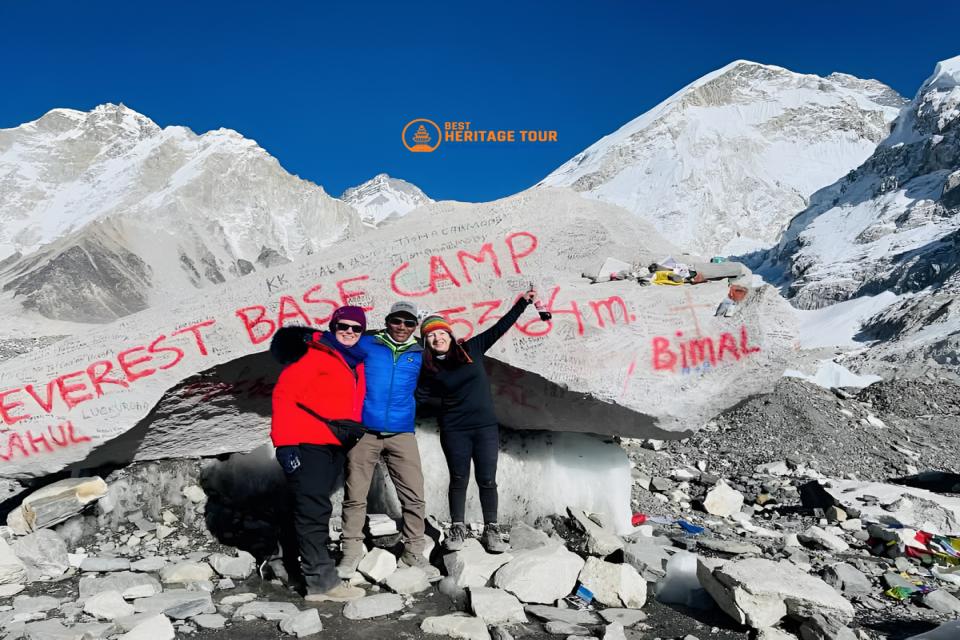
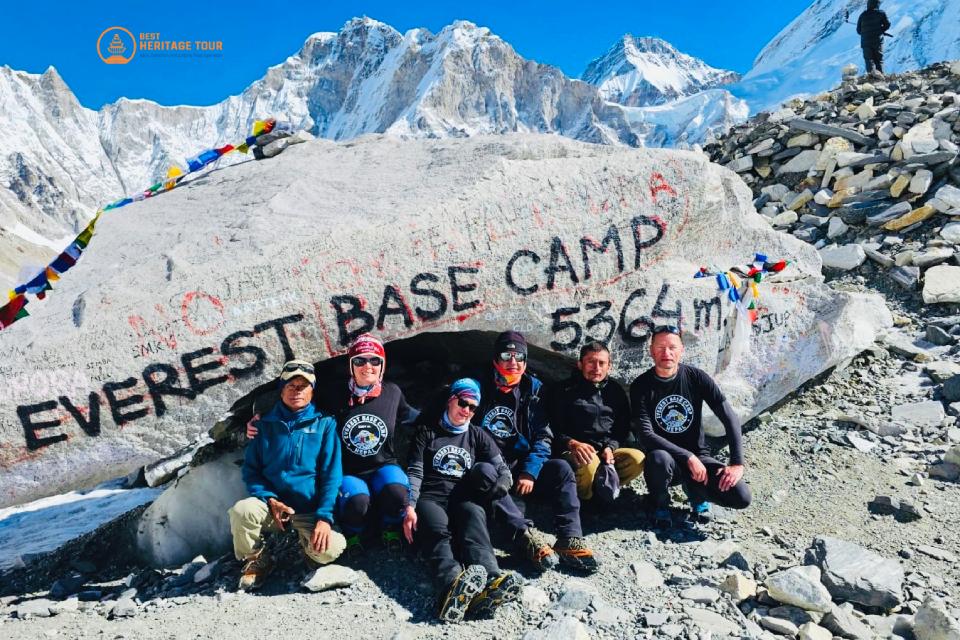
Let’s be honest: the Everest Base Camp trek is a "Level 7" difficulty on most scales. It involves walking roughly 130 kilometers (80 miles) round trip, reaching an altitude of 5,364 meters (17,598 ft).
However, unlike technical mountaineering, EBC is a "teahouse trek." You aren't climbing vertical ice walls; you are walking on established trails. The primary challenges for seniors are:
-
Thin Air: Oxygen levels at Base Camp are about 50% of what they are at sea level.
-
The Terrain: You’ll navigate stone steps, suspension bridges, and rocky glacial moraine.
-
Sustainability: It’s a marathon of 12 to 14 days of consecutive walking.
The good news? Seniors often have a mental advantage. You know how to pace yourself. You aren't trying to "race" to the top. In the Himalayas, the motto is “Bistare, Bistare” (Slowly, Slowly) - and seniors are naturally better at this than younger, more impulsive trekkers.
Physical Preparation: Training Your Body (Without Breaking It)
You don’t need to be a marathon runner, but you do need a solid "base" of fitness. If you’re over 50, your training should focus on longevity and joint health rather than just raw power.
A. Cardiovascular Endurance
Start at least 3 to 4 months before your flight to Lukla.
-
Low-Impact Cardio: Swimming, cycling, or brisk walking are excellent. They build lung capacity without pounding your knees.
-
The Stair Master: If you have access to a gym, the Stair Master is your best friend. It mimics the "up and down" nature of the Khumbu trails.
B. Strength & Stability
-
Leg Power: Focus on squats and lunges. Strong quads and glutes act as shock absorbers for your knees during the long descents.
-
Core Strength: A strong core helps you balance on uneven rocks while carrying a daypack.
-
Practice Hikes: Nothing beats the real thing. Once a week, go for a 4-5 hour hike on local trails. Wear the actual boots you plan to use and carry a small backpack (5-7 kg).
C. Flexibility
Yoga or daily stretching is non-negotiable. Keeping your hamstrings and calves flexible will prevent the "stiff-legged" gait that often leads to trips and falls on the trail.
The Medical Blueprint: Safety First
Before you book your flight, a trip to your doctor is mandatory. At Best Heritage Tour, we recommend a full cardiovascular stress test and a check-on joint health.
-
Pre-existing Conditions: Having high blood pressure or mild asthma doesn't necessarily disqualify you, but your doctor needs to help you manage these at altitude.
-
Altitude Medication: Discuss Diamox (Acetazolamide) with your physician. While not a "cure" for altitude sickness, it helps your body acclimate faster.
-
The "Knee Factor": If you have history of knee issues, invest in high-quality trekking poles and consider wearing light compression sleeves.
Why the Itinerary Makes or Breaks the Trip
This is where most "budget" tours fail seniors. A standard 12-day itinerary is often too rushed. For trekkers over 50, we recommend a 15 to 18-day itinerary.
Sample Itinerary for Everest Base Camp Trek for Seniors
-
Day 01: Fly to Lukla & Trek to Phakding
-
Day 02: Trek from Phakding to Namche Bazaar
-
Day 03: Acclimatization Hike to Everest View Hotel
-
Day 04: Trek from Namche Bazaar to Tengboche
-
Day 05: Trek from Tengboche to Dingboche
-
Day 06: Acclimatization Hike to Nangkartshang Peak
-
Day 07: Trek from Dingboche to Thukla
-
Day 08: Trek from Thukla to Lobuche
-
Day 09: Trek from Lobuche to Gorakshep
-
Day 10: Trek from Gorakshep to EBC & Back
-
Day 11: Sunrise at Kalapattar & Descend to Pheriche
-
Day 12: Trek from Pheriche to Tengboche
-
Day 13: Trek from Tengboche to Namche Bazaar
-
Day 14: Trek from Namche Bazaar to Phakding
-
Day 15: Trek from Phakding to Lukla
-
Day 16: Scenic Flight back to Kathmandu
The "Slower is Better" Approach:
-
Extra Acclimatization: Instead of just one rest day in Namche Bazaar, take two. This gives your red blood cells time to catch up with the altitude.
-
Shorter Walking Days: Aim for 4-5 hours of walking instead of 7-8. This ensures you arrive at your teahouse with energy left to enjoy the sunset and a warm meal.
-
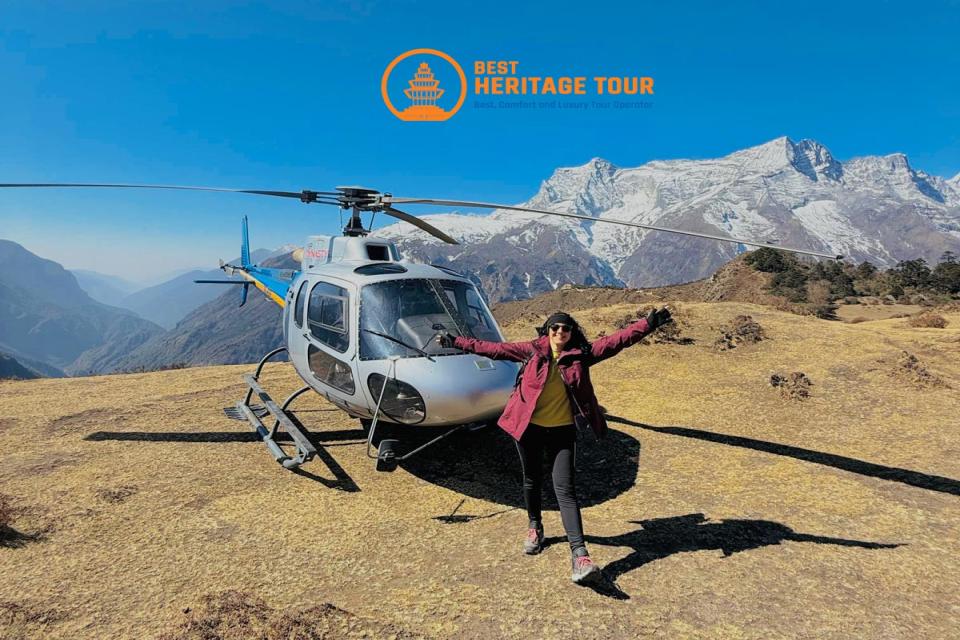
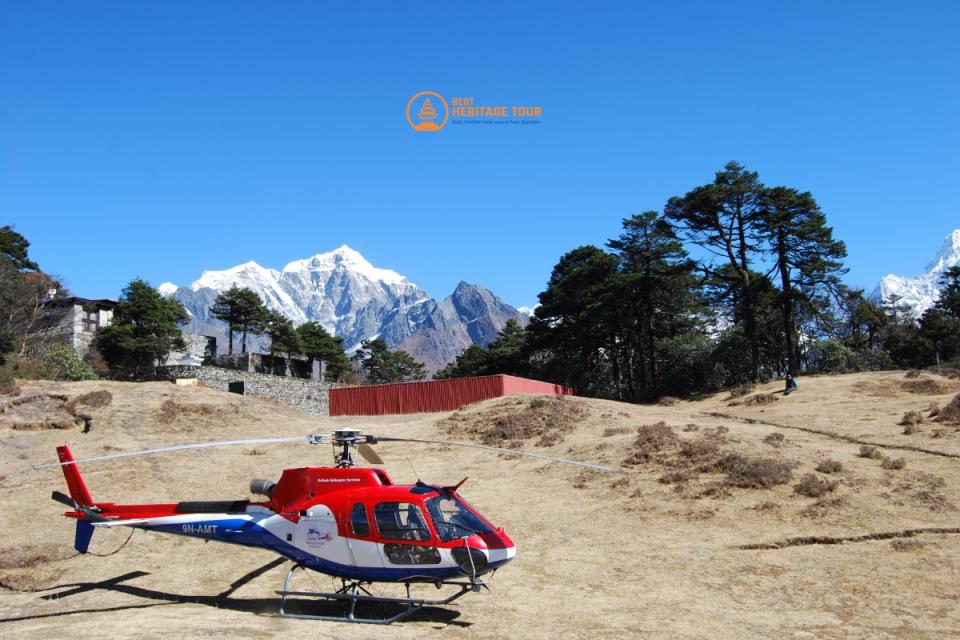
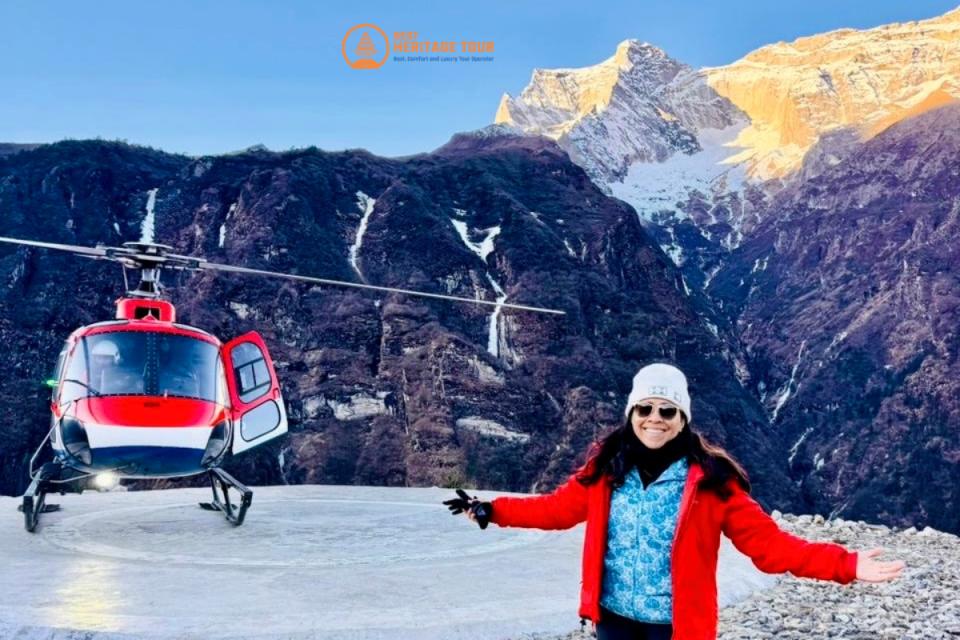
The "Fly-Back" Option: Many seniors choose to trek to Base Camp and then take a helicopter return from Gorak Shep to Kathmandu. This cuts out the 3-4 days of punishing downhill trekking, which is where most knee injuries occur.
Nutrition and Hydration at 5,000 Meters
Your body burns calories differently at high altitudes. You might lose your appetite, but you must keep fueling.
-
Hydration is Life: Drink at least 4 liters of water daily. Dehydration is a leading trigger for altitude sickness.
-
Garlic Soup: It’s a local Sherpa remedy! Garlic is believed to help with blood circulation and oxygenation.
-
Avoid Alcohol and Caffeine: Both are diuretics and can interfere with your sleep and hydration levels. Stick to ginger tea and lemon water.
Essential Gear for the Mature Trekker
Don't skimp on gear. Quality equipment isn't just about comfort; it's about safety.
-
Trekking Poles: These are mandatory. They reduce the impact on your knees by up to 25% on descents.
-
Well Broken-in Boots: Never wear new boots on the trail. Your feet are more prone to blisters and swelling as you age.
-
Layering System: Temperatures can swing from 20°C (68°F) in the sun to -15°C (5°F) at night. Use merino wool base layers - they stay warm even when damp.
-
The Porter Advantage: Hire a porter. Even if you feel strong, carrying a 10kg pack at 5,000 meters puts unnecessary strain on your heart and joints. Let our team handle the heavy lifting while you focus on the views.
The Mental Game: Wisdom Over Speed
One of the beautiful things about trekking later in life is the perspective. You aren't there to prove anything to anyone.
-
Listen to Your Body: If you feel a headache or dizziness, tell your guide immediately. There is no "toughing it out" with altitude.
-
Celebrate Small Wins: Reaching Namche Bazaar is an achievement. Seeing the Tengboche Monastery is a victory. The journey is the destination.
Conclusion
Age is merely a data point, not a barrier. With the right training, a customized itinerary, and a supportive team, the Everest Base Camp trek is one of the most rewarding experiences you can have in your 50s, 60s, and beyond. It’s a chance to disconnect from the noise of the modern world and reconnect with your own inner strength.
At Best Heritage Tour, we specialize in creating comfortable, safe, and life-changing Himalayan experiences for senior travelers. We handle the logistics, the safety protocols, and the pacing - so you can focus on the majesty of the mountains.
Are you ready to see the world from the top?
Phone / WhatsApp / Viber: +977-9851149197 / +977-9810043046
Email: info@bestheritagetour.com / bestheritagetour@gmail.com
Website: www.bestheritagetour.com
Office: Thamel Marg, Kathmandu, Nepal
Author: Best Heritage Tour
Date: 3rd February, 2026