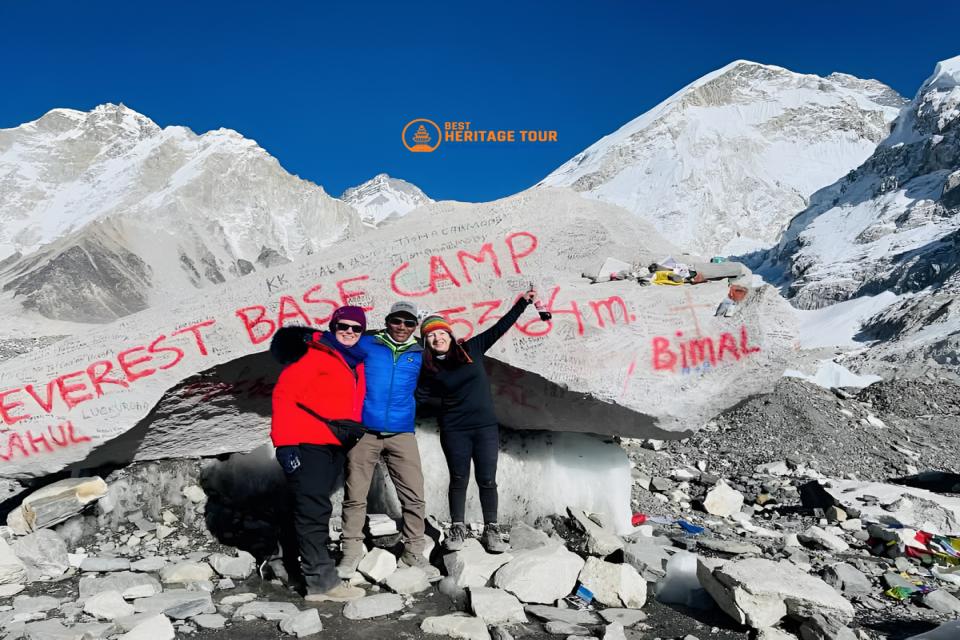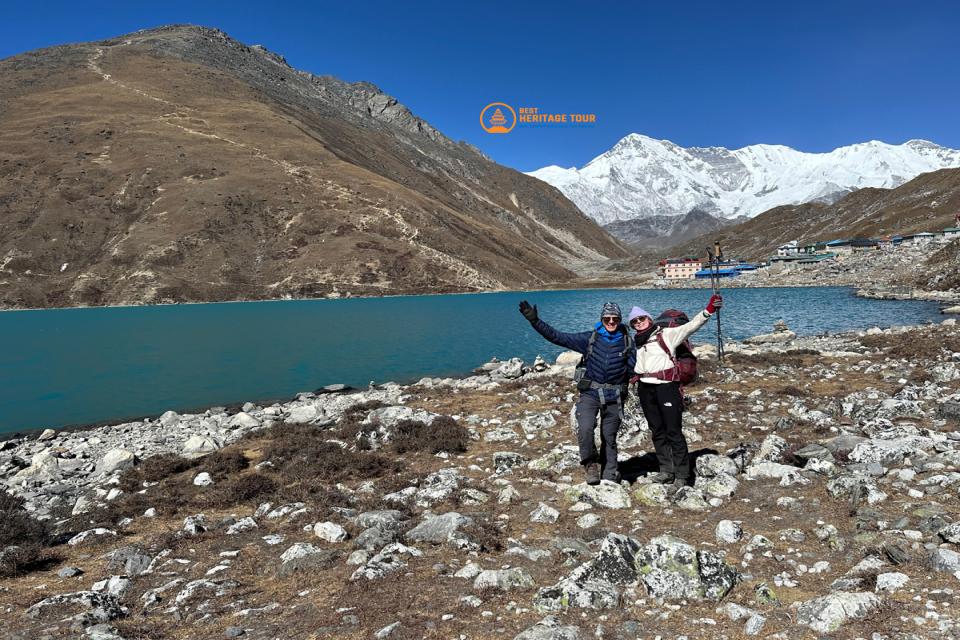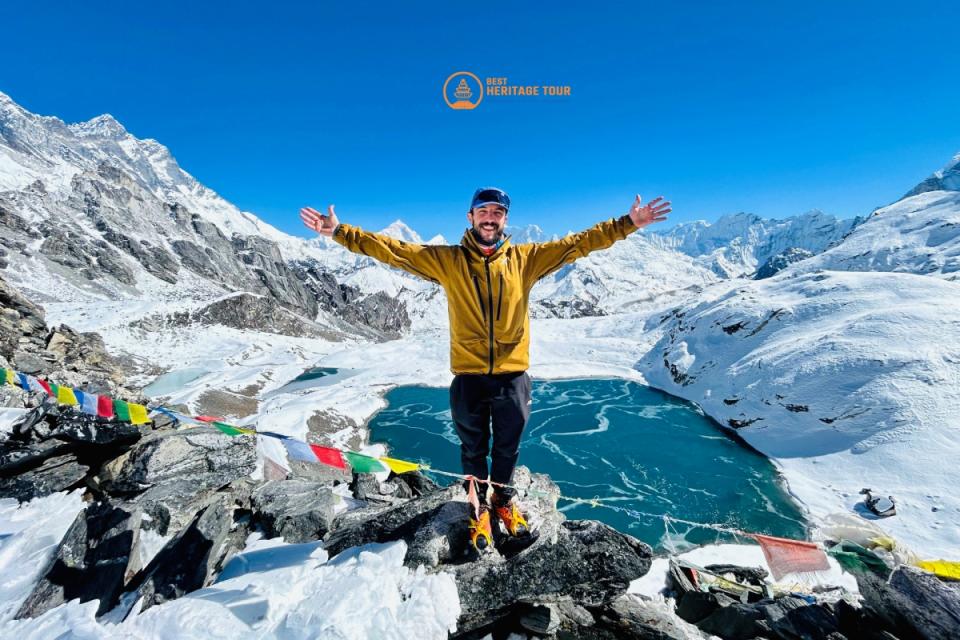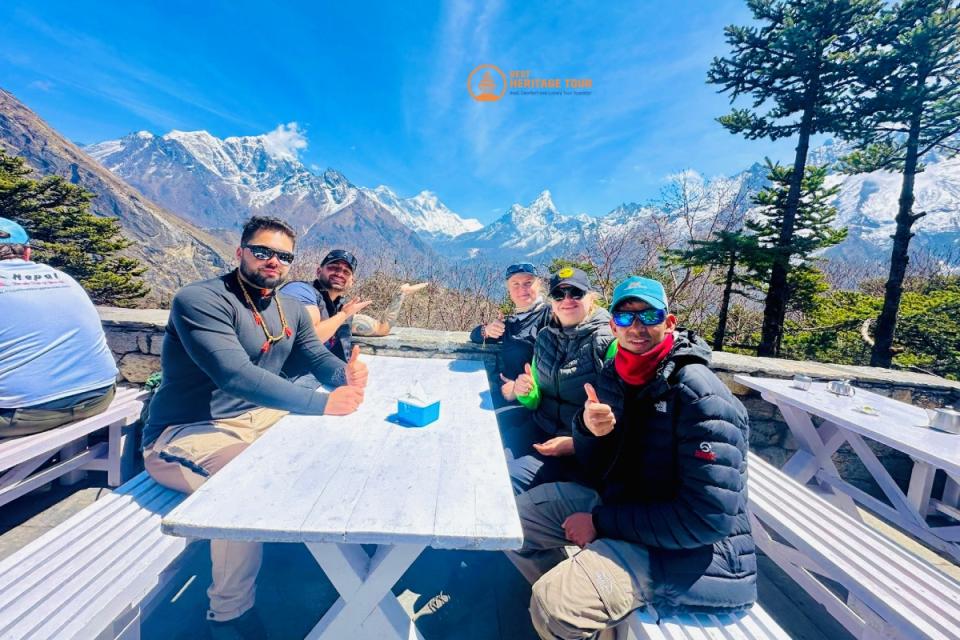
So, you’ve decided to take on the "Step to Heaven." You’ve got the boots, you’ve been hitting the stair-climber, and your flight to Lukla is booked. But as the departure date nears, one question starts to loom larger than Everest itself: Where exactly am I going to sleep during EBC Trek?
At Best Heritage Tour, we’ve guided thousands of trekkers through the Khumbu Valley. We know that while the mountains provide the "wow" factor, the teahouses provide the "soul" of the trek. Forget what you know about hotels; teahouse trekking is a unique cultural phenomenon.
In this deep dive, we’re pulling back the curtain on Everest Base Camp (EBC) accommodation. From the warmth of the dining room stove to the reality of high-altitude "squat toilet," here is everything you need to know.
What Exactly is a Teahouse?
In the early days of Himalayan exploration, trekkers relied on heavy canvas tents and a crew of porters to carry everything from kerosene to kitchens. Today, the trail is dotted with Teahouses - locally owned mountain lodges that offer a bed, a hot meal, and a place to gather.
Think of a teahouse as a cross between a rustic alpine hut and a family-run bed and breakfast. They are the lifeblood of the Sherpa communities. When you stay in a teahouse, you aren't just a tourist; you are a guest in a home that has been adapted to accommodate the world's most adventurous spirits.
The Anatomy of a Khumbu Teahouse
While every lodge has its own personality, most follow a standard structural blueprint. Understanding this layout will help you navigate your evenings with ease.
1. The Communal Dining Hall (The Heart of the Home)
This is where the magic happens. The dining hall is usually the only heated room in the entire building. In the center, you’ll find a large pot-bellied stove fueled by dried yak dung (it’s odorless, we promise!).
-
The Vibe: It’s a melting pot of languages, stories, and the clanking of tea mugs.
-
The Rules: It’s the place to dry your socks (subtly), charge your phone, and fuel up for the next day.
2. The Bedrooms
If the dining hall is the heart, the bedrooms are the "coolers." Most rooms are twin-share, featuring two narrow wooden beds with foam mattresses.
-
The Insulation: Walls are often plywood-thin. You will hear your neighbor’s zipper, their cough, and their early-morning alarm.
-
The Bedding: You’ll be provided with a pillow and a heavy quilt, but a high-quality sleeping bag is non-negotiable.
3. The Bathrooms
As you go higher, the plumbing gets simpler.
-
Lower Elevations (Lukla to Namche): You might find en-suite bathrooms with flush toilets.
-
Higher Elevations (Dingboche to Gorak Shep): Expect shared bathrooms and "squat" toilets. You’ll often find a bucket of water next to the toilet for manual flushing.
What to Expect: Facilities and Amenities
One of the biggest misconceptions about the EBC trek is that you’ll be "roughing it" in total darkness. While luxury is relative, teahouses have evolved significantly.
Electricity and Charging
Most teahouses now have solar power or local hydroelectricity. However, "free" electricity is a rarity.
-
Charging Costs: Expect to pay between $2 to $6 USD to charge your power bank or camera.
-
Pro Tip: Bring a high-capacity power bank (20,000mAh) and charge it fully in Namche Bazaar where it’s cheaper.
Wi-Fi and Connectivity
Yes, you can post your "Everest" selfie from 5,000 meters. Most teahouses sell Airldigi or Everest Link prepaid cards.
-
Reliability: It’s decent for WhatsApp messages but don’t expect to stream Netflix.
-
The Cost: A 10GB or 20GB card will cost you around $20–$30 USD and works across most of the trail.
Hot Showers
In the lower villages, gas-powered showers are available for a fee (usually $5). As you get higher, showers become "bucket showers" - a bucket of hot water and a scoop.
-
The Reality Check: Above 4,000m, most trekkers stop showering altogether. The air is too cold, and the risk of catching a chill (which can exacerbate altitude sickness) is too high. Wet wipes are your best friend here.
The Teahouse Menu: Fueling the Ascent
Food is the fuel that gets you to Base Camp. The menus are surprisingly extensive, but there’s one golden rule: Dal Bhat Power, 24 Hour!
The Classics
-
Dal Bhat: Lentil soup, rice, vegetable curry, and pickles. It’s all-you-can-eat and the most nutritious option.
-
Sherpa Stew (Syakpa): A hearty vegetable and noodle soup that warms the bones.
-
Momos: Tibetan-style dumplings filled with veg or meat (though we recommend staying vegetarian at high altitudes).
The "Western" Cravings
You’ll find pizza, pasta, and even burgers. While comforting, remember that all ingredients are carried up by yaks or porters. The higher you go, the simpler you should keep your diet. Stick to carbohydrates and garlic soup (local legend says it helps with acclimatization).
Costs: How Much Should You Budget for EBC Trek?
At Best Heritage Tour, we typically include accommodation in our packages, but if you’re wondering about the "street price," here’s the breakdown:
|
Item |
Estimated Cost (USD) |
|---|---|
|
Room (Twin Share) |
$5 - $10 (higher if en-suite) |
|
Meal (Breakfast/Lunch/Dinner) |
$7 - $12 per meal |
|
Hot Shower |
$4 - $6 |
|
Battery Charging |
$3 - $7 |
|
Wi-Fi Card |
$20 - $30 |
Note: Most teahouses offer a very cheap room rate on the condition that you eat your dinner and breakfast at their establishment. If you eat elsewhere, the room price may triple.
Staying Warm: The Art of the Himalayan Night
The biggest challenge isn't the walking; it's the cold once the sun goes down. Temperatures inside the bedrooms can drop below freezing.
The Best Heritage Tour Strategy for Sleep:
-
The Hot Water Bottle Trick: Fill your Nalgene bottle with boiling water before bed. Slide it into your sleeping bag. It acts as a heater for 6–8 hours and provides drinkable (though lukewarm) water in the morning.
-
Layer Up: Don’t just sleep in your base layers. Wear a beanie and dry socks to bed.
-
The Quilt Sandwich: Put the teahouse-provided quilt over your sleeping bag for an extra layer of insulation.
Etiquette: Being a Respectful Guest
The Sherpa people are incredibly hospitable, but the Khumbu is a sacred place with deep-rooted traditions.
-
The "Rule of the Stove": Don’t crowd the stove. If you see a porter or a local guide shivering, offer them a spot closer to the heat.
-
Keep it Quiet: Walls are thin. After 8:00 PM, most people are trying to sleep. Keep the volume down.
-
Waste Management: Whatever you bring in, try to take out. If you have empty batteries or plastic, carry them back to Kathmandu.
Luxury Lodges vs. Standard Teahouses
If the idea of a squat toilet and plywood walls makes you nervous, there is another way. The EBC trail now features Luxury Lodges.
-
What you get: Electric blankets, heated rooms, gourmet meals, and private hot showers.
-
The Trade-off: The cost is significantly higher, and you may lose a bit of that "authentic" communal vibe. At Best Heritage Tour, we can customize your itinerary to include a mix of both if you want a "soft landing" in the lower altitudes.
Common Myths About EBC Accommodation
Myth 1: "I need to book teahouses months in advance."
During peak season (October/November), rooms fill up fast. However, if you are trekking with a reputable agency like us, your guide will send a porter ahead or call to reserve the best rooms. If you’re solo, you might end up sleeping in the dining hall on a bench.
Myth 2: "The food isn't safe."
Teahouse kitchens are surprisingly clean. The biggest risk is meat. Since there is no refrigeration on the trail, meat is often carried for days in the sun. Stick to the vegetarian options to avoid the dreaded "Khumbu Cough" or stomach issues.
Myth 3: "There is no privacy."
While the dining room is social, your bedroom is yours. It’s small, but it’s a sanctuary after a 7-hour trek.
Packing Essentials for Teahouse Life
To make your stay comfortable, add these "Teahouse Specifics" to your packing list:
-
Earplugs: Essential for blocking out snoring neighbors and barking Himalayan dogs.
-
Headlamp: For those midnight trips to the shared bathroom.
-
Indoor Shoes: Down booties or crocs. You cannot wear your muddy hiking boots inside the teahouse.
-
Pillowcase: A simple lightweight pillowcase adds a layer of hygiene and comfort.
Why Trekking with a Company Matters
Navigating the world of teahouses can be overwhelming. Which ones have the best views? Which ones have the cleanest kitchens? Which owner is a friend of the family?
When you trek with Best Heritage Tour, we handle the logistics. Our guides have spent decades building relationships with lodge owners. This means you get the corner room with the best view of Ama Dablam, the extra blanket without asking, and the peace of mind knowing your "home" for the night is waiting for you.
Conclusion: The Magic of the Mountainside Stay
At the end of the day, an Everest Base Camp teahouse isn't about the thread count of the sheets or the speed of the Wi-Fi. It’s about the feeling of stepping out of the biting cold into a room filled with the scent of ginger tea and the laughter of fellow adventurers. It’s about looking out of a frost-covered window and seeing the moon illuminate the South Face of Everest.
These humble lodges provide more than just shelter; they provide a front-row seat to the most spectacular show on Earth.
Are you ready to experience the legendary hospitality of the Khumbu? At Best Heritage Tour, we don’t just show you the mountains; we introduce you to the culture that lives within them. Contact us today to start planning your 2026 Everest Base Camp trek. Let’s find your home away from home in the clouds.
Phone / WhatsApp / Viber: +977-9851149197 / +977-9810043046
Email: info@bestheritagetour.com / bestheritagetour@gmail.com
Website: www.bestheritagetour.com
Office: Thamel Marg, Kathmandu, Nepal
Author: Best Heritage Tour
Date: 6th February, 2026