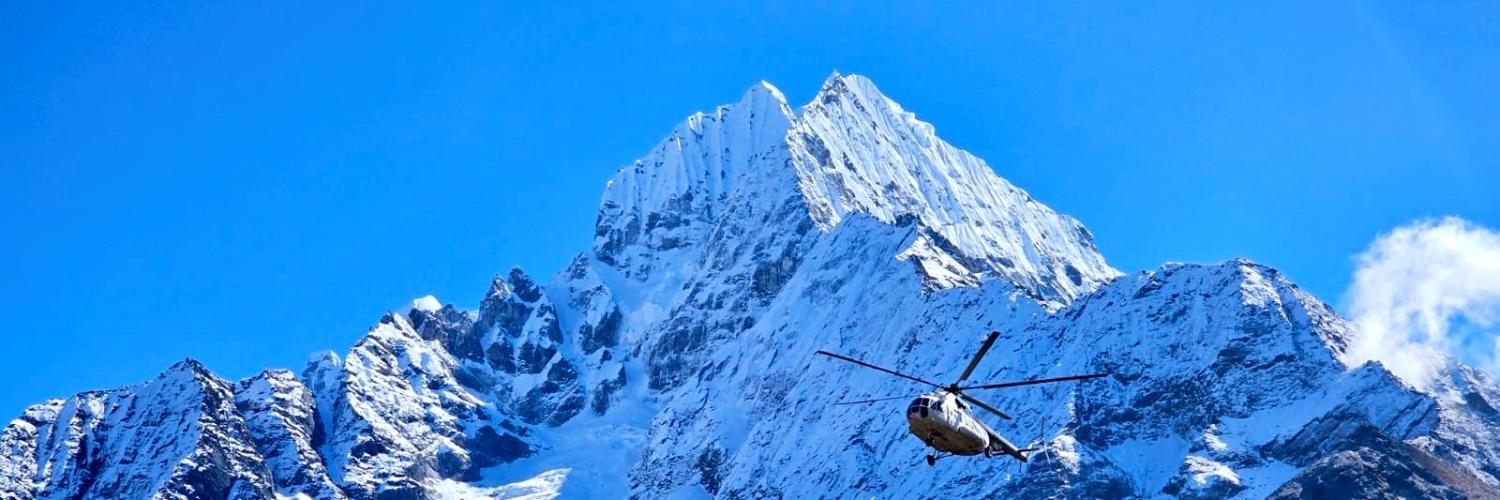
Packing for the roof of the world isn't just about stuffing a bag; it's about strategic preparation for one of the most stable, yet demanding, seasons in the Himalayas. As Best Heritage Tour, we’ve guided thousands of trekkers through the Khumbu, and we know that the difference between a grueling ordeal and a life-changing adventure often comes down to what’s inside your duffel.
October and November are widely considered the "Goldilocks" months for the Everest Base Camp (EBC) trek. The monsoon rains have washed the dust from the air, leaving behind crystal-clear views of Everest, Lhotse, and Ama Dablam. However, as the mercury begins its steady dip toward winter, your packing list must evolve.
The Autumn Climate: What to Expect in October & November
Before we dive into the gear, you need to understand the "why."
-
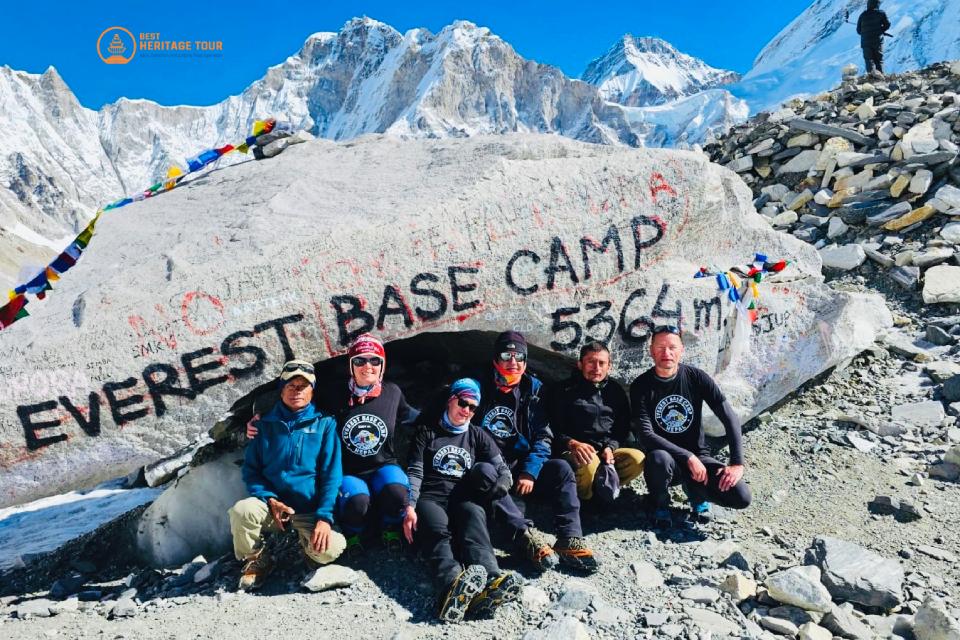
October: This is the peak of peaks. Daytime temperatures at lower altitudes (like Namche Bazaar) hover around 12°C to 16°C (53°F to 61°F). However, at Base Camp (5,364m), nights can easily drop to -5°C to -10°C (23°F to 14°F).
-
November: The crowds thin, and the air gets sharper. You’ll have more solitude, but you’ll pay for it in Celsius. Daytime is still pleasant for hiking, but night temperatures at Gorak Shep can plummet to -15°C to -20°C (5°F to -4°F).
The Golden Rule of EBC Packing: Layering is your religion. You will start the day in a t-shirt and end it in a heavy down jacket.
1. The Layering System: Your Shield Against the Elements
The key to staying comfortable is the Three-Layer System. This allows you to add or remove clothing as your body heat fluctuates and as the sun moves behind the peaks.
A. Base Layers (The Second Skin)
Your base layer’s job is moisture management. When you sweat while climbing the "Namche Hill," you need a fabric that wicks that moisture away from your skin.
-
Material: Merino Wool is the gold standard. It’s warm, breathable, and - crucially - naturally antimicrobial, meaning it won’t smell after four days of no showers. Avoid cotton at all costs; it holds moisture and will give you a chill the moment you stop moving.
-
What to pack:
-
2x Long-sleeve Merino tops (varying weights).
-
2x Merino thermal bottoms (leggings).
-
B. Middle Layers (The Insulation)
This layer traps your body heat.
-
Fleece Jackets: A mid-weight fleece is perfect for hiking on cool October mornings.
-
Down Sweater/Vest: A lightweight "puffy" jacket is great for layering under your shell or wearing around the teahouse during lunch.
-
What to pack:
-
1x Mid-weight fleece jacket or pullover.
-
1x Lightweight down vest or jacket.
-
C. Outer Layers (The Armor)
This is your protection against the fierce Khumbu winds and any occasional late-autumn snow.
-
Hard Shell Jacket: A high-quality GORE-TEX (or similar) waterproof and windproof jacket with a hood.
-
The Big Down Jacket: This is your "summit" jacket. In November, this needs to be a heavy-duty, high-loft down parka rated for sub-zero temperatures. You’ll wear this every evening the moment you reach the teahouse.
-
What to pack:
-
1x Waterproof/Windproof shell jacket.
-
1x Heavy-duty down jacket (rated to -20°C).
-
1x Waterproof trekking pants.
-
2. Head, Hands, and Extremities
You lose a significant amount of heat through your head and hands. In the thin air of November, frostbite is a distant but real concern if you aren’t prepared.
Headwear
-
Sun Hat: The UV rays at 5,000m are brutal. A wide-brimmed hat is essential for preventing sunburn and heatstroke.
-
Warm Beanie: A wool or fleece-lined hat that covers your ears. Essential for nights and the early morning hike to Kala Patthar.
-
Buff/Neck Gaiter: Perhaps the most versatile item. It protects your neck from the sun, keeps your face warm, and - most importantly - filters the dry, dusty air to prevent the "Khumbu Cough."
Handwear
-
Liner Gloves: Thin, moisture-wicking gloves. You’ll wear these most of the time.
-
Insulated Mittens/Gloves: Heavy, waterproof outer gloves for the coldest sections. Mittens are generally warmer as your fingers share body heat.
3. Footwear: The Foundation of Your Journey
Your feet are your vehicle. If they fail, the trek ends.
-
Trekking Boots: These must be broken-in at least a month before your trip. Look for mid-to-high-cut boots for ankle support on the rocky moraines. Ensure they are waterproof (GORE-TEX) because even in the "dry" season, you may encounter mud or snow.
-
Camp Shoes: After 7 hours in heavy boots, your feet need to breathe. Bring a pair of lightweight sneakers or Crocs (with socks!) for the teahouses.
-
Socks:
-
4-5 pairs of thick wool hiking socks (Smartwool or Darn Tough).
-
2-3 pairs of thin liner socks to prevent blisters.
-
4. Technical Gear and Sleeping
The teahouses provide a bed and a blanket, but in October and November, that blanket is nowhere near enough.
-
Sleeping Bag: You need a 4-season sleeping bag rated to at least -20°C (-4°F). Even if the teahouse room feels okay at 4 PM, it will be an icebox by 2 AM.
-
Sleeping Bag Liner: A silk or fleece liner adds an extra 5 degrees of warmth and keeps your bag clean.
-
Trekking Poles: These are non-negotiable. They reduce the impact on your knees by up to 25%, which is vital during the long descent from Base Camp.
5. Electronics: Powering Your Memories
Cold weather kills batteries. In the Everest region, charging is expensive (often $5-$10 per device).
-
Power Bank: Bring at least two high-capacity power banks (20,000 mAh).
-
Extra Camera Batteries: Keep these inside your base layer (close to your body) during the day to keep them warm.
-
Solar Charger: If you’re a heavy tech user, a portable solar panel strapped to your backpack can be a lifesaver.
-
Headlamp: Essential for early morning starts and navigating unlit teahouses at night. Don’t forget extra batteries.
6. Health, Hygiene, and First Aid
As a heritage tour company, we prioritize safety. The Khumbu is remote, and pharmacies are sparse above Namche.
The Medical Kit
-
Diamox (Acetazolamide): For altitude sickness (consult your doctor first).
-
Painkillers: Ibuprofen or Paracetamol for headaches.
-
Anti-diarrheals: Imodium and Ciprofloxacin (for bacterial infections).
-
Blister Kit: Compeed, moleskin, and medical tape.
-
Rehydration Salts: To keep your electrolytes balanced.
Hygiene (The "Dry" Shower)
You likely won't want to strip down for a shower in -10°C weather.
-
Baby Wipes: Your best friend. Large packs for a "sponge bath" every evening.
-
Hand Sanitizer: Use it religiously before every meal.
-
Sunscreen (SPF 50+): The high-altitude sun is relentless.
-
Lip Balm with SPF: To prevent painful cracking.
7. The Two-Bag Strategy: How to Organize
At Best Heritage Tour, we provide porters who carry your main luggage. You only carry what you need for the day.
-
The Duffel Bag (Portered): This should contain your sleeping bag, extra clothes, and heavy items. Aim for a max of 10-12 kg (22-26 lbs) out of respect for your porter.
-
The Daypack (Carried by you): A 30L-35L pack with a rain cover. It should hold your water, snacks, sunscreen, camera, and a layer of clothing (like your shell jacket).
8. Important Documents & Cash
-
Passport: Keep it in a waterproof Ziploc bag in your daypack.
-
Insurance: Ensure it covers helicopter evacuation up to 6,000m.
-
Cash (Nepalese Rupees): There are no ATMs above Namche Bazaar (and the ones in Namche are notoriously unreliable). Bring enough for snacks, hot showers, and charging.
Conclusion: Ready for the Roof of the World?
Packing for Everest Base Camp in October and November is a balancing act between weight and warmth. By following this guide, you’re not just preparing for the cold; you’re setting yourself up for a comfortable, safe, and truly immersive experience in the heart of the Himalayas.
Remember, the mountains don’t care about fashion - they care about function. Choose quality gear, break in your boots, and bring a sense of adventure. We at Best Heritage Tour are honored to be part of your journey.
Phone / WhatsApp / Viber: +977-9851149197 / +977-9810043046
Email: info@bestheritagetour.com / bestheritagetour@gmail.com
Website: www.bestheritagetour.com
Office: Thamel Marg, Kathmandu, Nepal
Author: Best Heritage Tour
Date: 3rd February, 2026