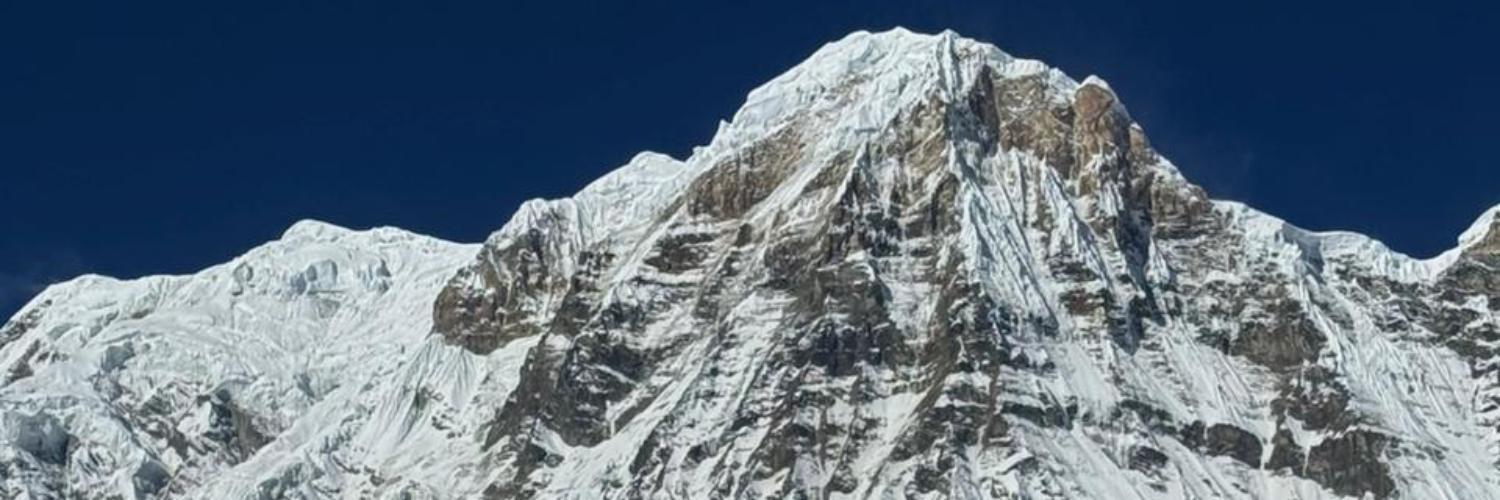
When most travelers think of Nepal, their minds immediately drift to the jagged, snow-capped peaks of the Himalayas and the grueling, yet rewarding, trails of the Everest or Annapurna regions. It is a natural association; after all, we are the home of the world’s highest mountains. However, as we step into 2026, a new trend is emerging in the heart of the Himalayas. Travelers are no longer just looking to "conquer" peaks; they are looking to connect with the soul of the country.
At Best Heritage Tour, we have spent decades guiding guests through the labyrinthine streets of ancient kingdoms and the steamy jungles of the Terai. We have seen firsthand that the "real" Nepal often exists in the quiet moments between the mountains - in the smell of butter lamps, the rhythm of a traditional Newari drum, and the silent gaze of a Bengal tiger.
If you aren't a hiker, or if you simply want to see the side of Nepal that postcards often miss, this guide is for you. Here are 10 amazing things to do in Nepal that require zero trekking boots but offer a lifetime of memories.
1. Step Back in Time: The Living Heritage of the Kathmandu Valley
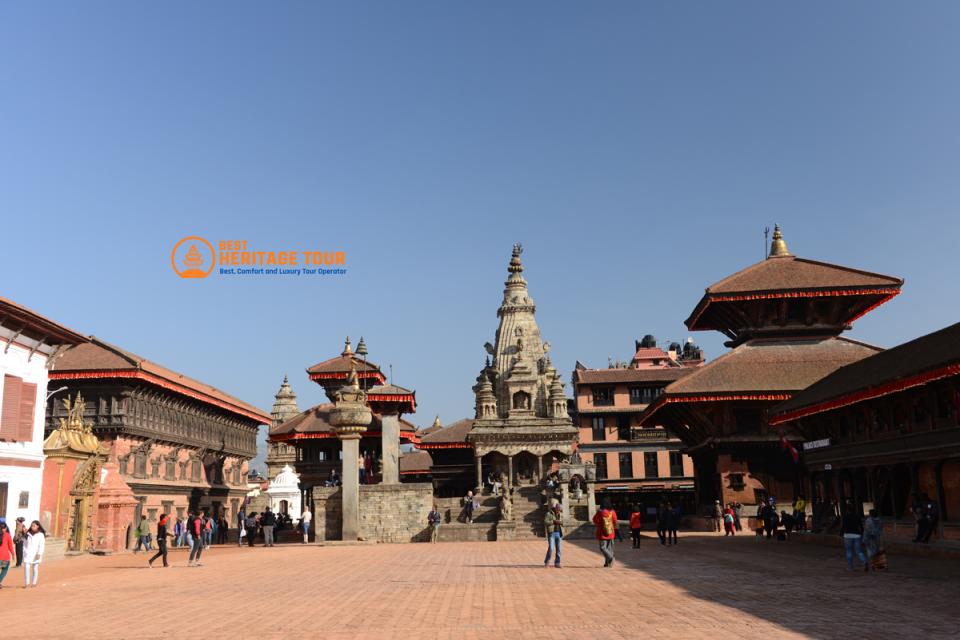
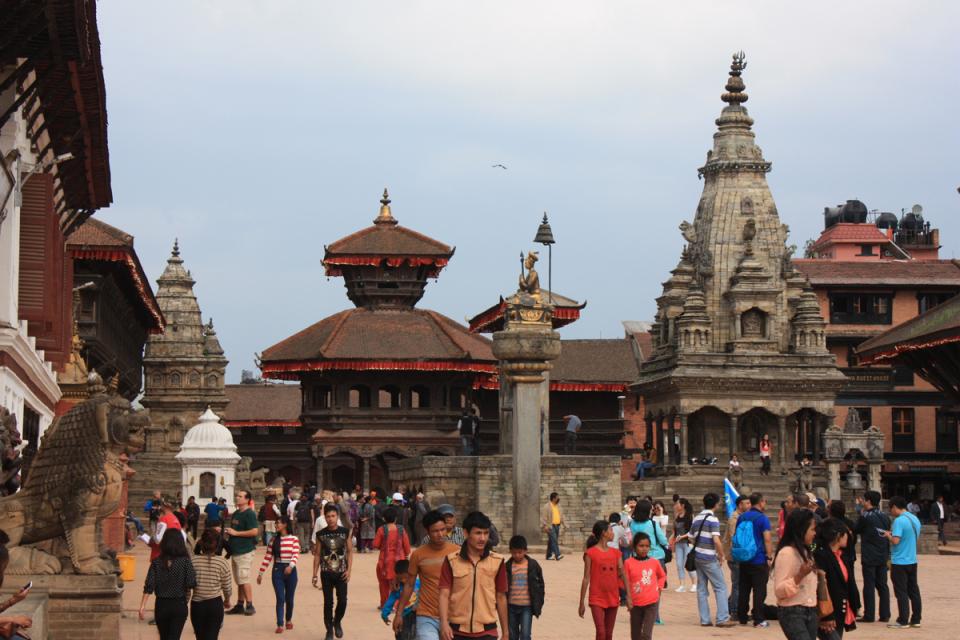
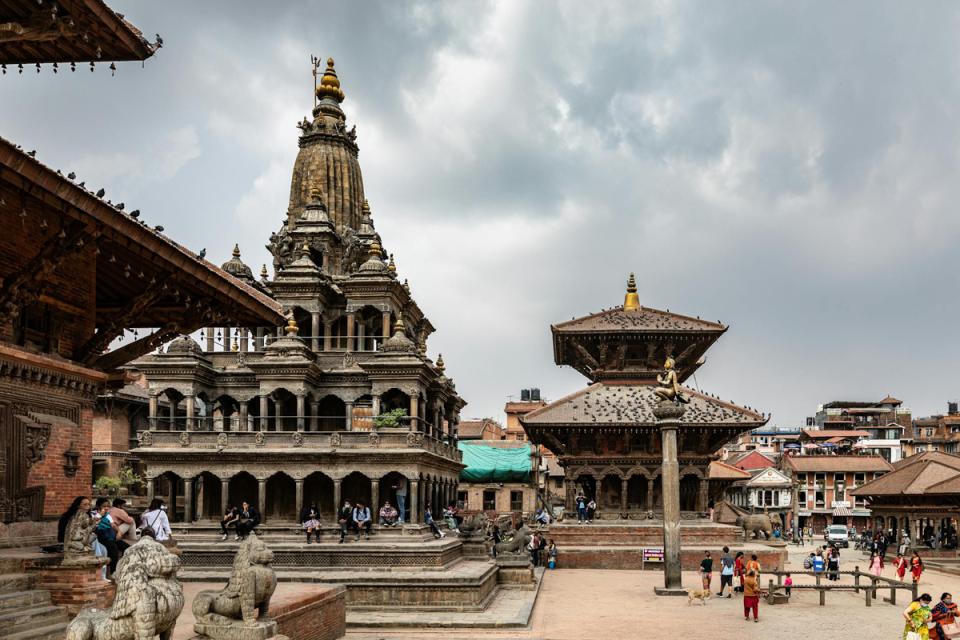
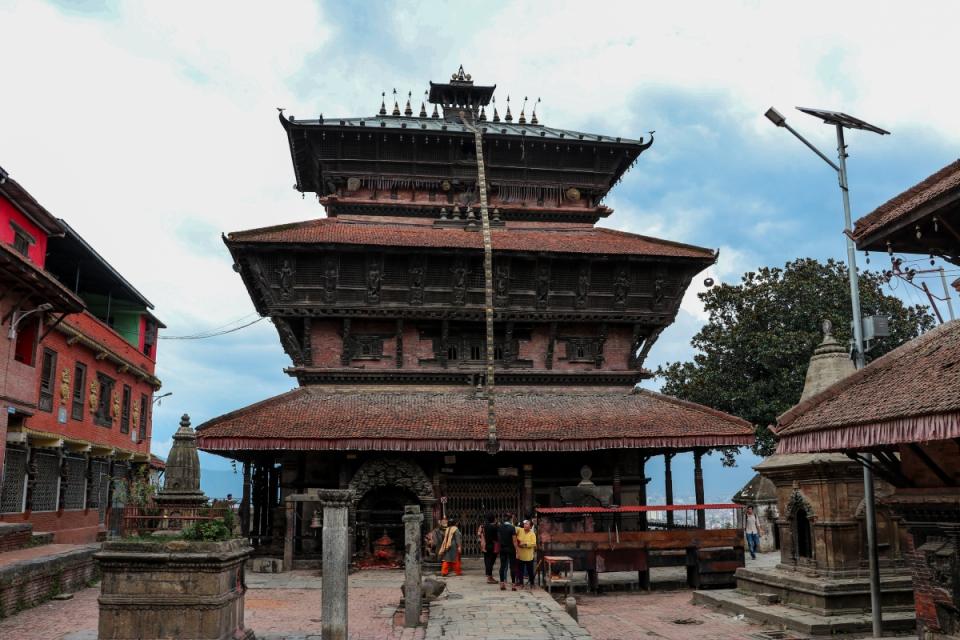
The Kathmandu Valley is essentially an open-air museum. In 2026, the preservation efforts following the 2015 earthquake have reached a pinnacle, with the grand Durbar Squares of Kathmandu, Patan, and Bhaktapur standing more majestic than ever.
-
Bhaktapur: Known as the "City of Devotees," walking through Bhaktapur feels like a glitch in the space-time continuum. There are no cars allowed in the core, leaving the brick-paved streets to the potters, woodcarvers, and sun-drying grains.
-
Patan (Lalitpur): If you appreciate fine art, Patan is your sanctuary. It is the center of the Newari metal-casting tradition. Visit the Patan Museum, often cited as one of the best South Asian art museums, located within a restored Malla-era palace.
Best Heritage Pro-Tip: Don’t just look at the temples. Join a pottery workshop in Bhaktapur or a Thangka painting class in Patan. Creating something with your own hands under the tutelage of a master artisan is the ultimate way to honor the local heritage.
2. Jungle Safaris in Chitwan and Bardia National Parks
While the north is defined by ice, the south is defined by emerald-green jungles. Chitwan National Park, a UNESCO World Heritage site, is one of Asia’s finest wildlife reserves.
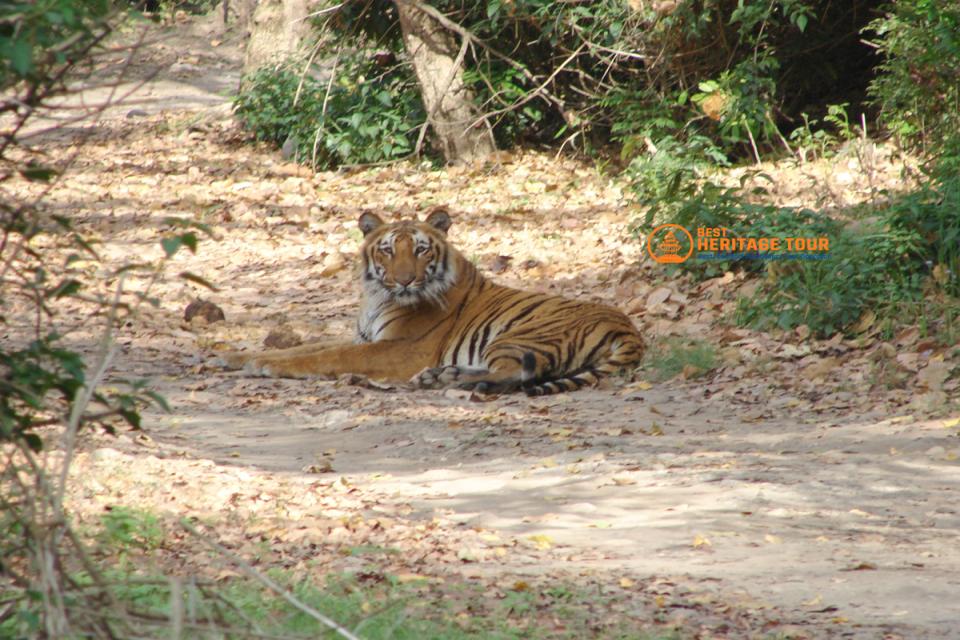
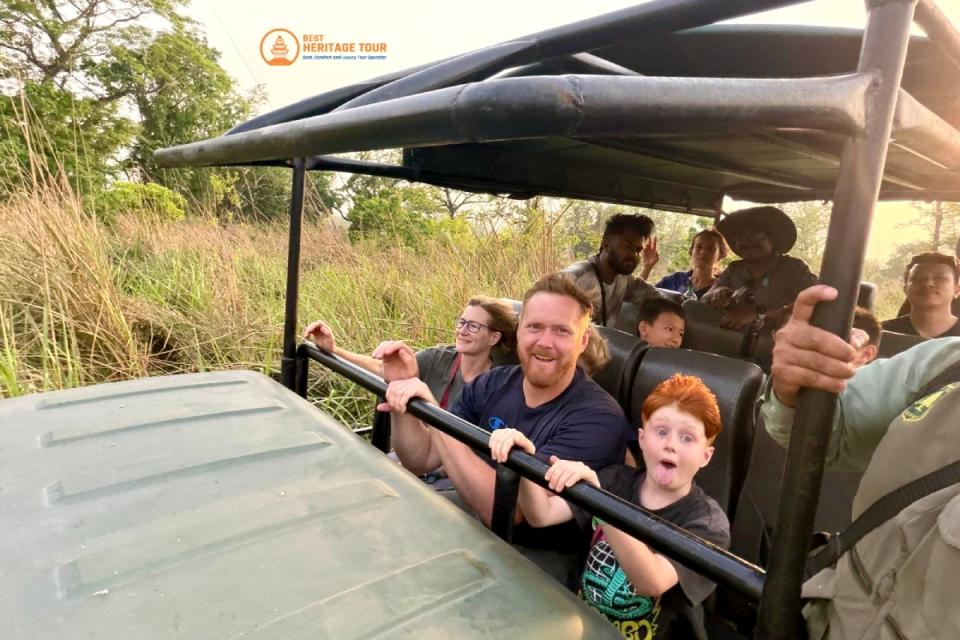
Forget the mountains for a moment and imagine drifting down the Rapti River in a hand-carved canoe as crocodiles sun themselves on the banks. In 2026, we highly recommend a Jeep Safari for a chance to spot the Greater One-Horned Rhinoceros and, if you are incredibly lucky, the elusive Royal Bengal Tiger.
For those seeking an even more "off-the-grid" experience, head west to Bardia National Park. It is more remote, less crowded, and offers a raw, prehistoric feel that is hard to find anywhere else in the world.
3. Spiritual Awakening in Lumbini: The Birthplace of Lord Buddha
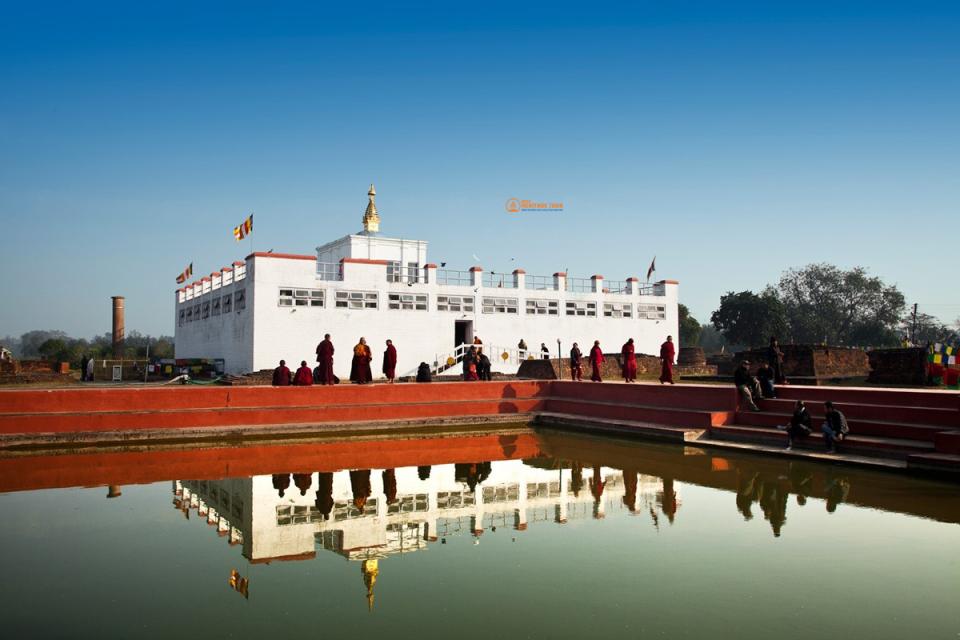
For many, a trip to Nepal is a spiritual pilgrimage. Lumbini is where Siddhartha Gautama (the Buddha) was born in 623 B.C. Today, the Monastic Zone in Lumbini is a sprawling garden where different Buddhist nations have built stunning monasteries reflecting their unique architectural styles.
Walking through the Mayadevi Temple - the exact spot of the Buddha's birth - is a profound experience regardless of your religious background. In 2026, the peace and tranquility here serve as a perfect antidote to the "noise" of modern life.
4. The "Everest Flight": The Himalayas from a Different Perspective
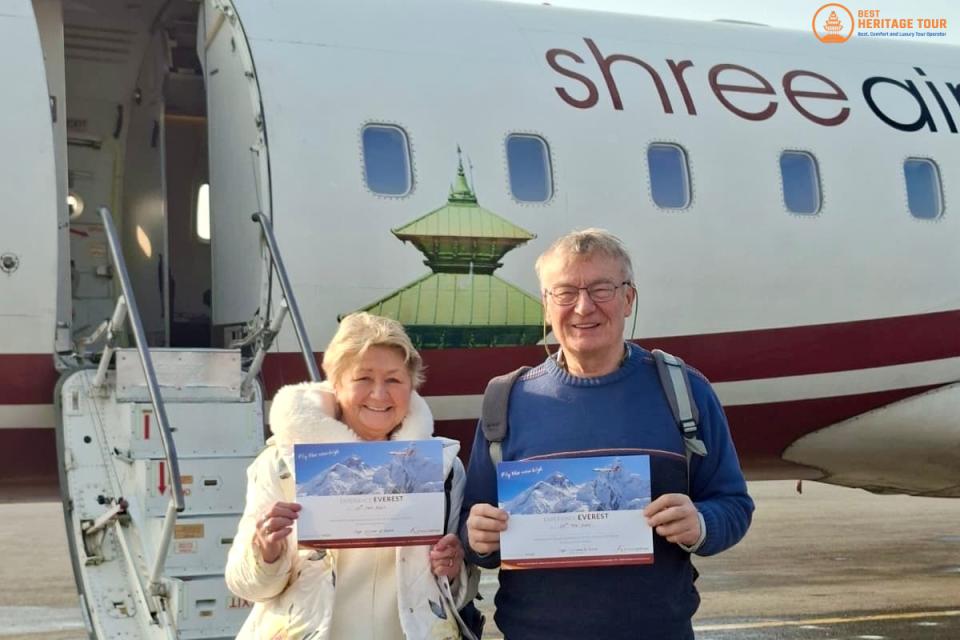
You don’t have to spend 12 days walking to see Mount Everest. For travelers who want the view without the sweat, the Scenic Himalayan Flight is a must.
Taking off from Kathmandu, these early morning flights guarantee every passenger a window seat. You’ll fly past the Langtang range and the Jugal peaks before the "Big One" - Mount Everest (Sagarmatha) - appears. It is a surreal 60-minute journey where you are at eye level with the gods.
Best Heritage Pro-Tip: Book the earliest flight possible (usually 6:00 AM or 6:30 AM). The air is clearest, and the golden sunrise hitting the peaks is a sight you will never forget.
5. Boating and Relaxation in Pokhara
Pokhara is often called the "Adventure Capital," but it is also the "Relaxation Capital." If Kathmandu is the heart of Nepal, Pokhara is the soul.
The city sits on the banks of Phewa Lake, where the reflection of Mount Machhapuchhre (Fishtail) dances on the water. Spend your afternoon in a colorful wooden boat (Doonga), paddling toward the Tal Barahi Temple situated on a tiny island in the middle of the lake.
For a bit of light activity, a short drive and a 20-minute walk take you to the World Peace Pagoda, offering a panoramic view of the lake and the Annapurna range.
6. Culinary Immersions: Beyond Dal Bhat
Nepali cuisine is a sophisticated blend of flavors influenced by its diverse ethnic groups. While Dal Bhat (lentil soup and rice) is the national power meal, there is so much more to taste.
-
Momo Making: Join a cooking class in Kathmandu to learn the art of folding Momos (dumplings). It’s harder than it looks, but the reward is delicious.
-
Newari Feast (Samay Baji): Try this traditional set in a local eatery in Patan. It includes beaten rice, smoked meat, spicy beans, and ginger - a true explosion of flavors.
-
Street Food in Thamel: From the "Lassi" shops to the hidden "Sel Roti" (sweet rice donuts) stalls, the streets of Kathmandu are a foodie's playground.
7. Adventure Sports for the Brave
If you have a thirst for adrenaline but don't want to hike, Nepal has you covered.
-
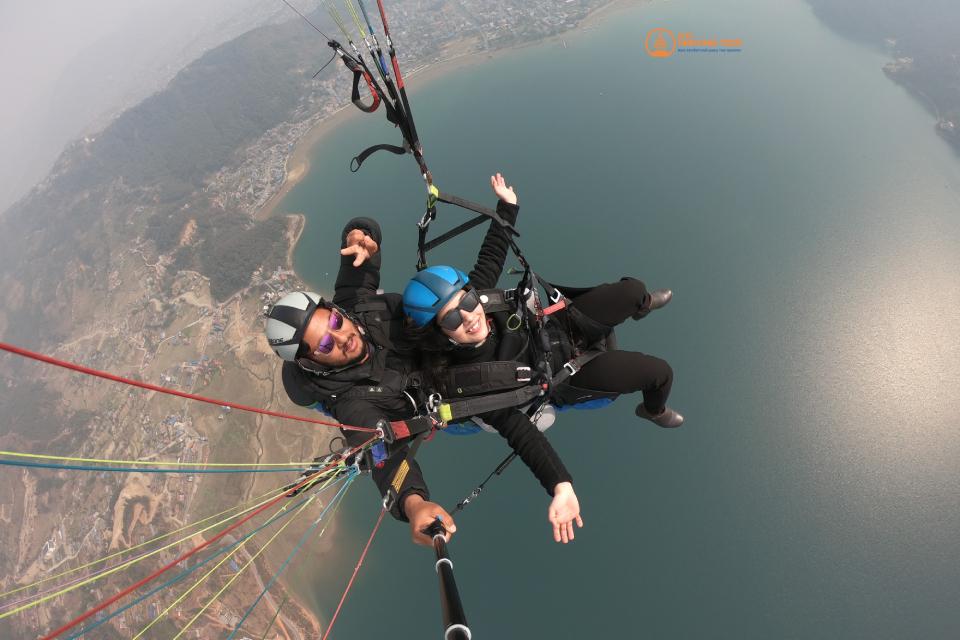
Paragliding in Pokhara: Soar like a hawk over the lake with the Annapurnas as your backdrop.
-
White-Water Rafting: Rivers like the Trishuli and Bhote Koshi offer world-class rapids. It’s a day of pure excitement that takes you through beautiful river gorges.
-
The World's Second Highest Bungee Jump: Located at The Last Resort near the Tibet border, this jump over the Bhote Koshi River is for the truly fearless.
8. Experience the Magic of Nepali Festivals
Nepal is a land of festivals (Jatras). Because we use a lunar calendar, there is almost always something being celebrated.
-
Indra Jatra: Watch the "Living Goddess" Kumari being pulled through the streets in a massive chariot.
-
Holi: Join the "Festival of Colors" where the streets turn into a kaleidoscope of powdered paint and water.
-
Tihar: The festival of lights, where the entire country is decorated with marigolds and oil lamps.
Planning your trip around a festival is the best way to see the vibrant, living culture of the Nepali people.
9. Authentic Homestays: Living Like a Local
In 2026, the Community Homestay Network has expanded significantly. Instead of a hotel, consider staying with a family in a village like Panauti or Bandipur.
You’ll wake up to the sound of temple bells, help your hosts pick vegetables from the garden, and learn about the local way of life. It’s not just accommodation; it’s a cultural exchange that supports sustainable tourism and directly benefits local women and families.
10. Wellness and Meditation Retreats
Nepal has long been a center for healing. Whether it’s an Ayurvedic massage in Kathmandu, a Vipassana meditation retreat, or a Yoga session overlooking the mountains in Nagarkot, the spiritual energy of the land is palpable.
Many monasteries, such as Kopan Monastery on the outskirts of Kathmandu, offer residential courses for foreigners to learn about Tibetan Buddhism and mindfulness. It is a transformative experience that allows you to "trek" inward instead of upward.
Why Choose "Best Heritage Tour"?
At Best Heritage Tour, we don't just provide itineraries; we curate experiences. We understand that your time is precious and your travel style is unique. Whether you want a luxury helicopter tour to Everest or a deep dive into the hidden alleyways of the Kathmandu Valley, our local expertise ensures that you see the authentic Nepal.
As we move through 2026, we are committed to sustainable, respectful, and deeply immersive travel. We handle the logistics, the permits, and the "hidden secrets," so you can simply focus on the wonder of it all.
Conclusion
Nepal is a country of layers. The mountains are the most visible layer, but they are far from the only one. From the spiritual echoes of Lumbini to the wild roars of Chitwan and the artistic brilliance of Patan, the "amazing things to do" are endless.
You don't need a backpack and trekking poles to fall in love with this country. You just need an open heart and a sense of curiosity.
Ready to explore the heritage of the Himalayas? Contact Best Heritage Tour today to start planning your bespoke non-trekking adventure!
Phone / WhatsApp / Viber: +977-9851149197 / +977-9810043046
Email: info@bestheritagetour.com / bestheritagetour@gmail.com
Website: www.bestheritagetour.com
Office: Thamel Marg, Kathmandu, Nepal
Author: Best Heritage Tour
Date: 4th February, 2026