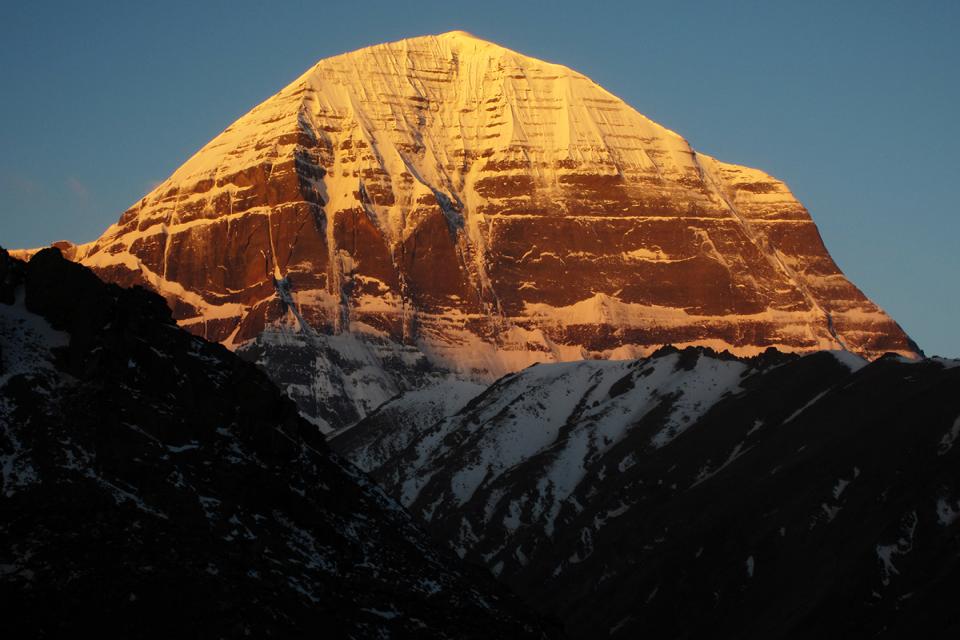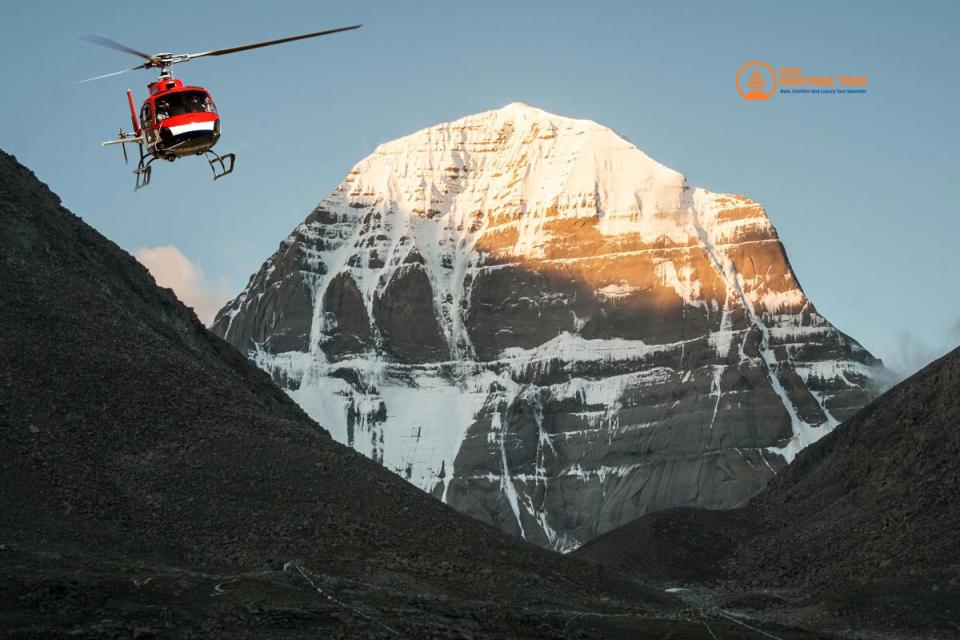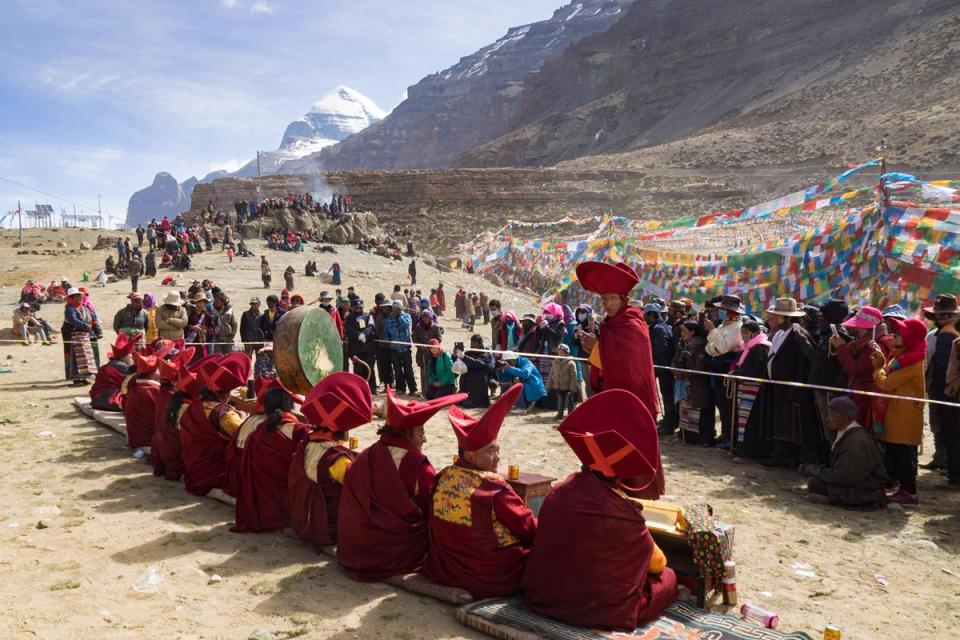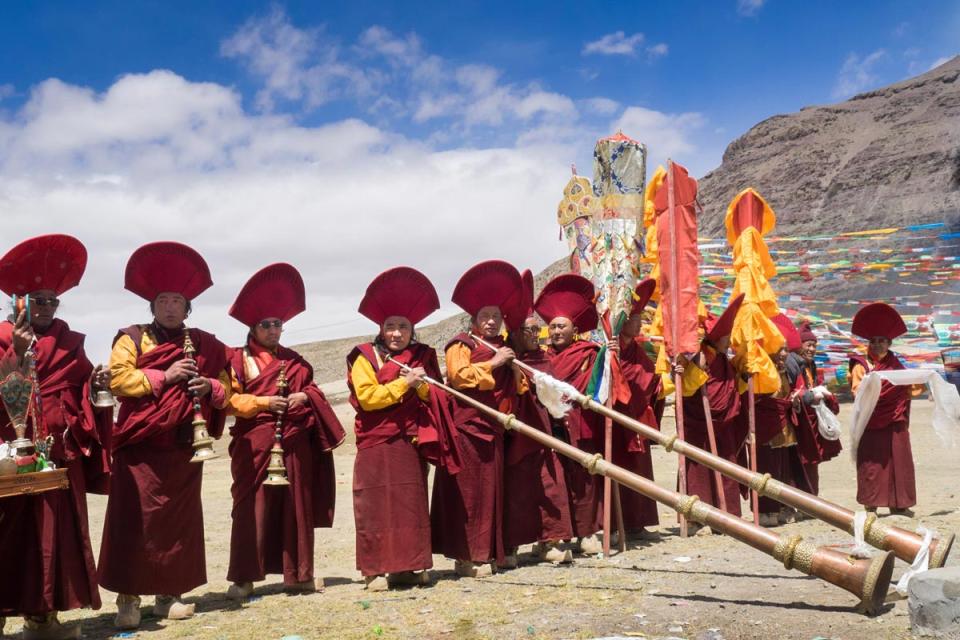
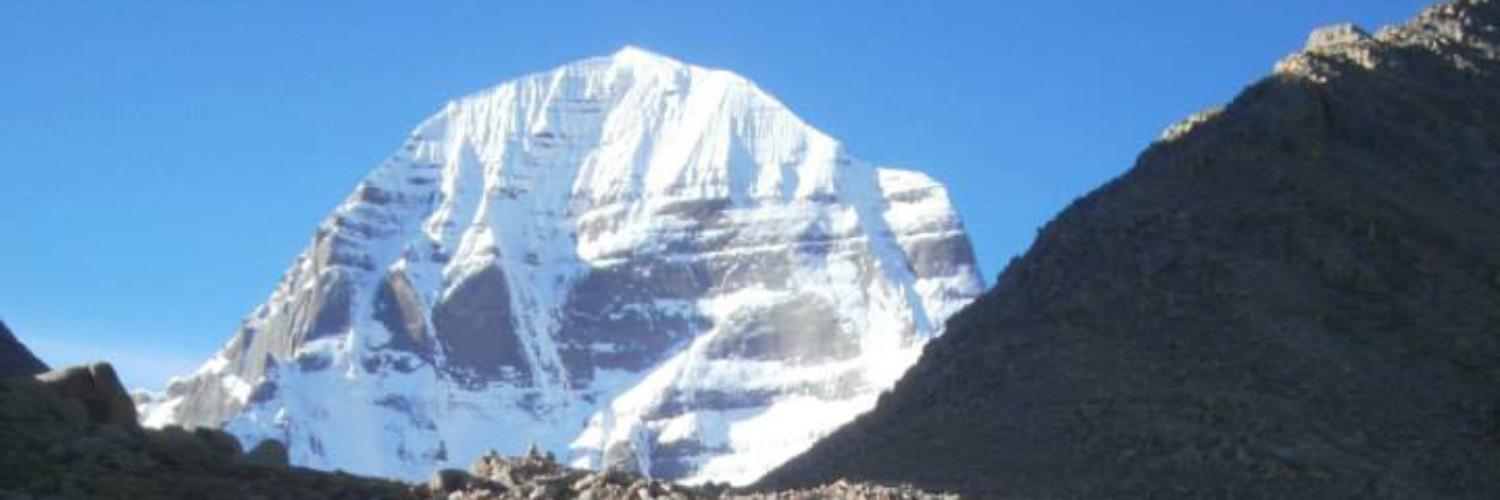
The Kailash Manasarovar Yatra is not merely a trip; it is a profound transition from the material world to the spiritual. As you prepare to stand before the majestic North Face of Mount Kailash or dip your hands into the sapphire waters of Lake Manasarovar, your mind should be occupied with devotion, not logistics.
However, the harsh reality of the Tibetan Plateau - with its thin air, unpredictable weather, and remote terrain - demands a practical shield. At Best Heritage Tour, we have guided thousands of pilgrims across the Himalayas, and if there is one piece of advice we emphasize above all else, it is this: Comprehensive travel insurance is the foundation of a successful Yatra.
In this definitive guide, we will explore everything you need to know about Travel Insurance for Kailash Manasarovar Yatra, why it is a non-negotiable requirement, and how we ensure our clients are protected at every step of their divine journey.
Is Travel Insurance Necessary for Kailash Manasarovar Yatra?
The short answer is yes. In fact, it is essential.
While many standard vacations can be managed without insurance, the Kailash Yatra takes place at an average altitude of 4,500 meters (14,700 ft), reaching its peak at the Dolma La Pass (5,630 meters). At these heights, the human body undergoes significant stress.
1. High-Altitude Risks and Health
Altitude sickness, or Acute Mountain Sickness (AMS), does not discriminate based on age or fitness. Even the most seasoned travelers can find themselves in need of immediate medical attention. In the remote Ngari region of Tibet, specialized medical facilities are few and far between. If a pilgrim requires hospitalization or advanced care, they must often be transported back to Lhasa or Kathmandu.
2. The High Cost of Emergency Evacuation
If a medical emergency occurs on the Parikrama (the walking circuit), a ground evacuation to the nearest road head is required, followed by an emergency flight or long-distance ambulance. These costs can easily exceed $5,000 to $10,000 USD if you are paying out of pocket. Without Travel Insurance for Kailash Manasarovar Yatra, a medical mishap could lead to a massive financial burden.
3. Trip Cancellations and Delays
The journey to Kailash often involves multiple flights (e.g., Kathmandu to Nepalgunj, then Simikot, then Hilsa). High-altitude weather is notoriously fickle. A single day of heavy rain or fog can delay flights for 48 hours, causing a domino effect on your permits and bookings. A good insurance policy covers these interruptions, ensuring you don't lose your hard-earned investment.
What Should Your Insurance Policy Specifically Cover?
Not all travel insurance policies are created equal. Most "standard" travel insurance plans sold for beach holidays or city breaks explicitly exclude trekking above 3,000 meters. For the Kailash Yatra, your policy must be specific.
Key Coverage Requirements:
-
Altitude Limit: Ensure the policy covers trekking up to 6,000 meters. Since Dolma La Pass is 5,630m, a 5,000m limit policy is useless.
-
Emergency Medical Evacuation: This must include helicopter rescue (on the Nepal side) and specialized mountain rescue (on the Tibet side).
-
Hospitalization and Repatriation: Coverage for medical bills in Tibet or Nepal, and the cost of flying you back to your home country if necessary.
-
Trip Curtailment: If you have to leave the Yatra early due to health or family emergencies, the policy should reimburse the unused portion of your tour.
Where to Buy Travel Insurance for Kailash Manasarovar Yatra?
At Best Heritage Tour, we don't just tell you to get insurance; we build a safety net around you. We understand that insurance is the "safety belt," but our on-ground services are the "airbags" that prevent the accident in the first place.
Here is why pilgrims trust us for their journey of a lifetime:
1. Insurance That Actually Works in Tibet
Many insurance providers claim to cover "Asia" but have no network in the Ngari region of Tibet. We work closely with providers to ensure that the documentation we provide as your tour operator is accepted for claims. We help facilitate the "Proof of Occurrence" needed for you to get reimbursed.
2. Free Oxygen for Every Pilgrim
Safety is our priority. We provide a 1.6L bottle of oxygen to every pilgrim as part of our package. This bottle lasts for approximately 12 hours, providing a vital lifeline during the steep ascent to Dolma La Pass or during the night when oxygen levels drop.
3. Dedicated Medical Checkpoints on the Route
Unlike many operators who only provide a first-aid kit, we have established dedicated Health Checkpoints at key locations:
-
Darchen: The base for the Parikrama.
-
Dirapuk: The first night of the trek (highest risk of AMS).
-
Shubje Drak Thok: A critical transition point.
-
Zutrulphuk: The final leg of the journey.
Our staff monitors your heart rate and oxygen saturation (SpO2) at these points to catch any signs of altitude sickness before they become serious.
4. Live Satellite Tracking (GPS)
For groups seeking an extra layer of security, we offer Optional Live Tracking. Using satellite GPS devices, our office in Kathmandu can monitor your group's location in real-time. This is particularly useful in areas where mobile signals are non-existent, ensuring that if a rescue is needed, we know exactly where you are.
5. 24/7 Fast Rescue Coordination
In an emergency, every second counts. Our team has a 24/7 emergency response line. We coordinate directly with the Tibetan authorities and Nepal-based helicopter companies to ensure the fastest possible evacuation from the border or high-altitude camps.
Preparation Tips: Beyond Insurance
While insurance covers the "what if," your preparation covers the "when." Here is a quick checklist for your Yatra:
-
Medical Checkup: Get a clearance certificate from your doctor, especially focusing on lung and heart health.
-
Acclimatization: We design our itineraries with extra days in Taklakot (Purang) to help your body adjust to the 4,000m+ environment.
-
Physical Fitness: Start a walking or cardio routine 3 months before your departure date.
-
Hydration: Drink at least 3-4 liters of water daily while in Tibet to help combat altitude sickness.
Conclusion
The Kailash Manasarovar Yatra is a journey of surrender - surrender to the divine, to nature, and to the spirit. But surrender should not mean being unprepared. By securing the right Travel Insurance for Kailash Manasarovar Yatra and traveling with a partner like Best Heritage Tour, you ensure that your focus remains on the sacred "Om Namah Shivaya" rather than worrying about medical logistics.
We invite you to join our next departure. Let us handle the complexities of Tibet travel permits, high-altitude safety, and insurance coordination while you walk the path of the gods.
Contact Best Heritage Tour Today
Phone / WhatsApp / Viber: +977-9851149197 / +977-9810043046
Email: info@bestheritagetour.com / bestheritagetour@gmail.com
Website: www.bestheritagetour.com
Office: Thamel Marg, Kathmandu, Nepal
Author: Best Heritage Tour
Date: 30th April, 2026